A Few Turns Through Old Seoul
Route stops in order
Clara’s Note
This route is all about exploring the traditional side of Seoul, from beautiful royal palaces to hanok neighborhoods and streets filled with Korean crafts and traditional teahouses.
I wanted to bring together some of my favorite places around Anguk and Insadong, where you can experience different sides of Korea's traditional architecture and culture without traveling too far.
First, let's talk about where to start, because there are actually two ways I'd recommend beginning this route.
If you're staying near Hyehwa Station, I'd suggest starting at Changgyeonggung Palace and then continuing to Changdeokgung Palace. The two palaces are connected, so you can explore them together.
But if Anguk Station is more convenient for you, I'd recommend doing the opposite: start at Changdeokgung and then visit Changgyeonggung if you have time.
And don't worry if visiting both palaces feels like too much. Changdeokgung alone is absolutely worth seeing, so feel free to skip Changgyeonggung if you'd rather have a more relaxed day.
After exploring the palace, head back toward Anguk Station and make your way up to Bukchon Hanok Village.
Now, here's something you should know: Bukchon is built on a hill, so you'll have to walk up some fairly steep streets. But if the weather is nice, I think the view from the higher parts of the neighborhood is absolutely worth the effort.
You'll see traditional hanok rooftops stretching down the hillside, with the Seoul skyline and N Seoul Tower in the distance. It's such a beautiful combination of old and modern Seoul.
Just remember that Bukchon is still a residential neighborhood, so please be respectful of the people who live there. The houses aren't generally open for visitors to explore inside, but walking through the streets and admiring the traditional architecture is a lovely experience in itself.
After that, make your way down toward Insadong.
This is a wonderful place to explore traditional Korean crafts and souvenirs. You'll find shops selling beautiful handmade items, decorative fans, and all kinds of things inspired by Korean culture.
And don't forget to explore the smaller alleyways! There are some lovely traditional teahouses tucked away from the main street, where you can try Korean teas and desserts. I think it's a great place to take a little break after all that walking.
Finally, if you still have some time and energy, head over to Ikseon-dong Hanok Street, which is just a short walk from Insadong.
What I find interesting is how different Ikseon-dong feels from Bukchon, even though both are known for their traditional Korean houses.
Bukchon is still largely a residential neighborhood, with historic hanok homes lining the hillsides. Ikseon-dong, on the other hand, is known for its smaller urban hanok, many of which were built in the early 20th century.
Today, a lot of those houses have been transformed into cafés, restaurants, and little shops while keeping their traditional exteriors.
So while Bukchon gives you a chance to enjoy the beauty of a traditional residential neighborhood, Ikseon-dong shows you how old hanok buildings can be given a completely new life.
I think it's a lovely place to finish the route, especially if you'd like to have dinner or stop by a café before heading back.
What I like about this route is that you get to experience several different sides of traditional Seoul in one day. From royal palaces to residential hanok, traditional crafts, teahouses, and modern cafés inside historic buildings, each stop has something different to offer.
And as always, please don't feel like you have to visit every place. This is quite a full itinerary, especially if you want to take your time exploring the palaces.
My suggestion is to choose the starting point that's most convenient for you, enjoy the places that interest you most, and finish the day somewhere lovely in Ikseon-dong.
I think it's a wonderful way to explore the traditional charm of Seoul at your own pace.
Nearby
- Streets
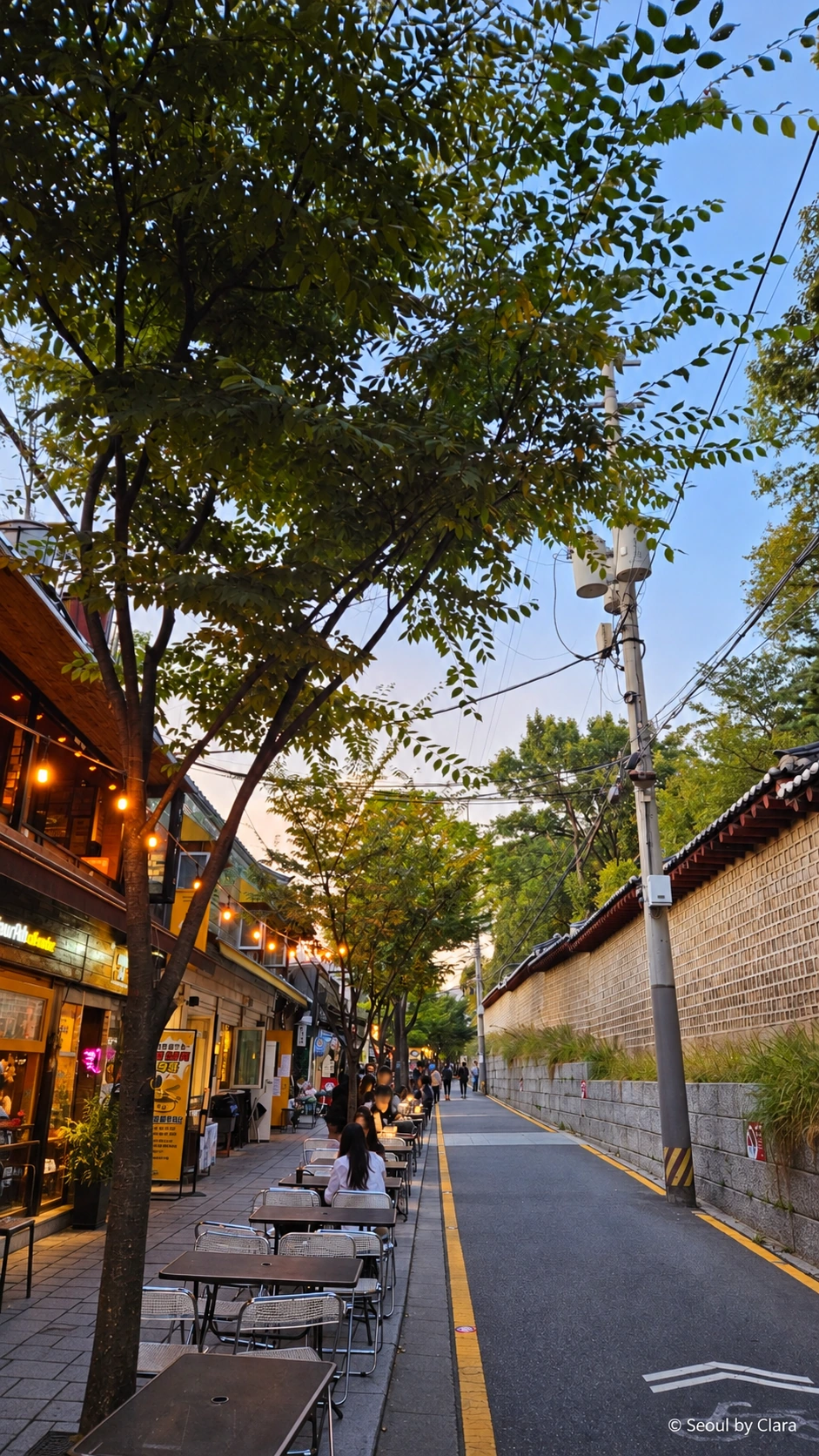
Seosulla-gil
- Food
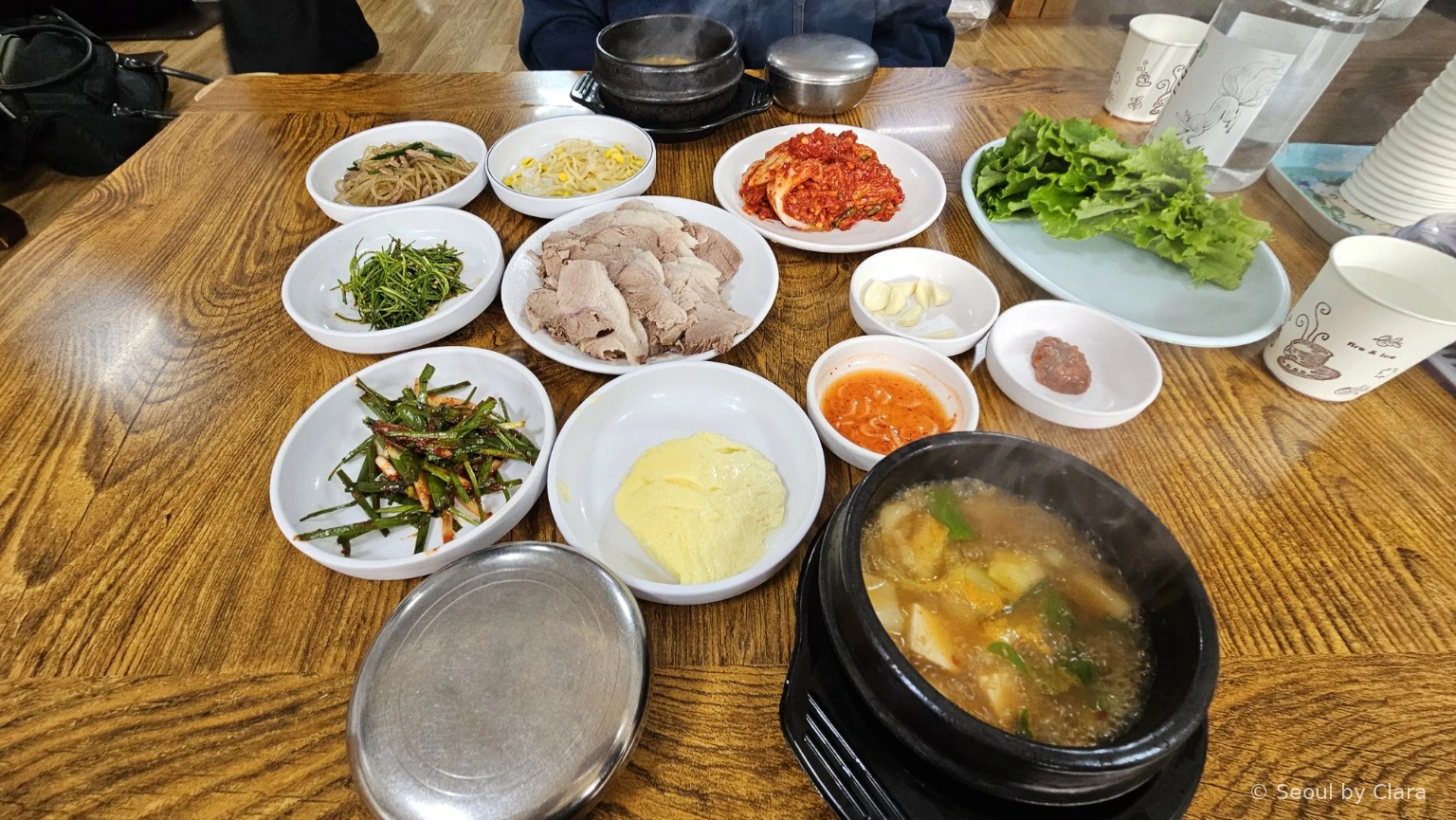
Cheonha Bossam
- Culture
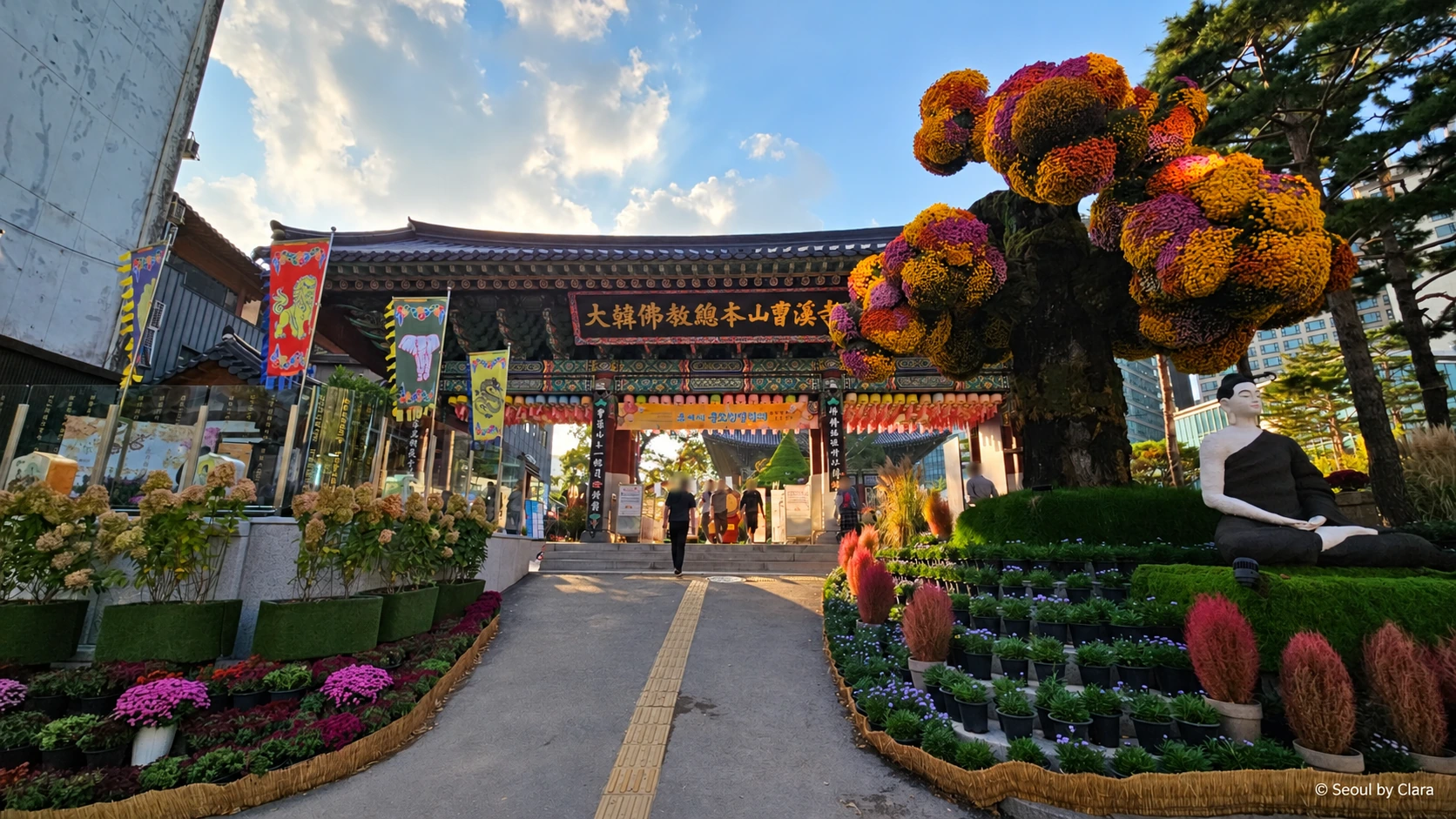
Jogyesa Temple
- Parks
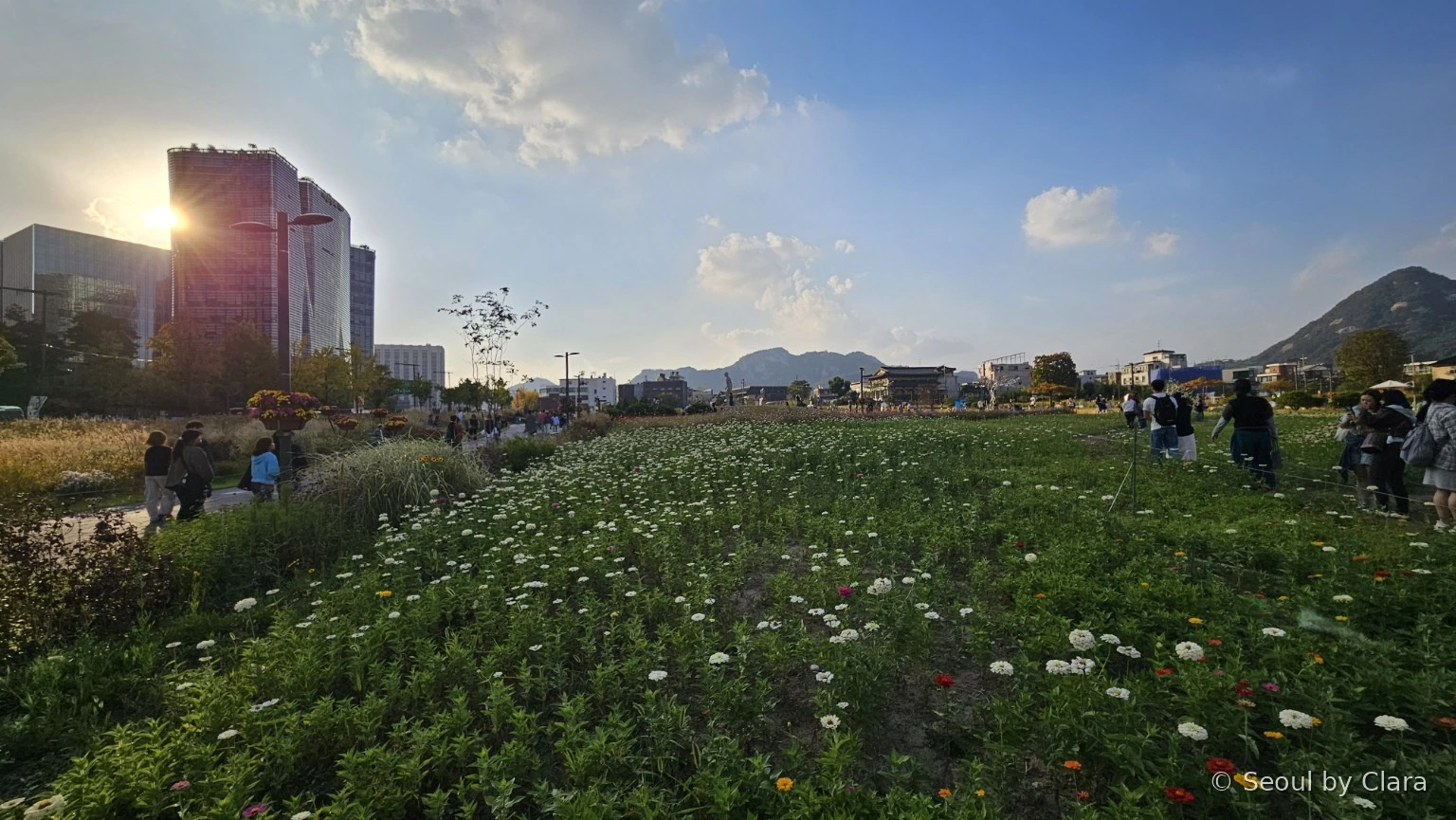
Songhyeon Green Plaza
- Food
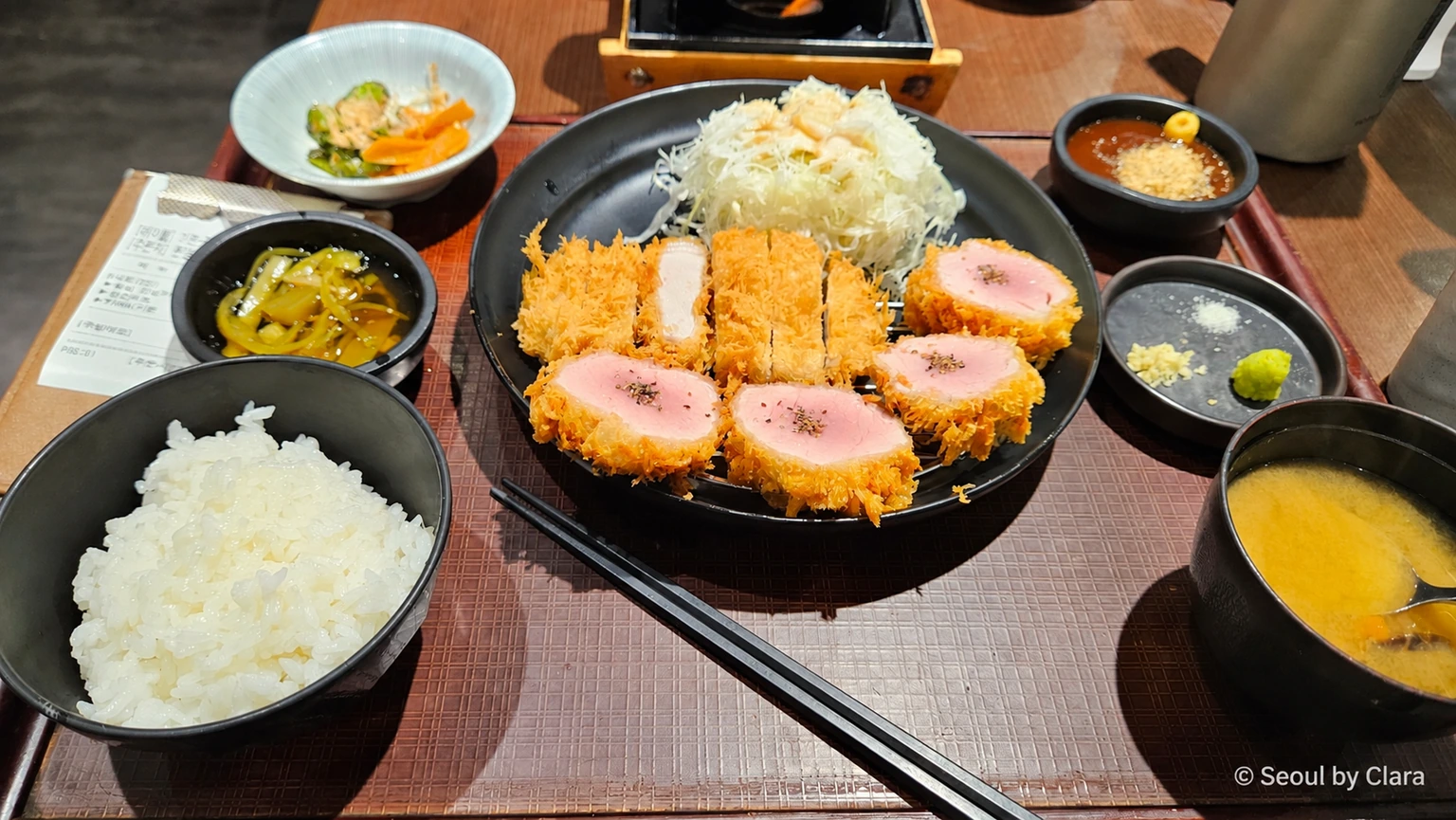
Jungdon Daehak-ro Main Branch
- Streets
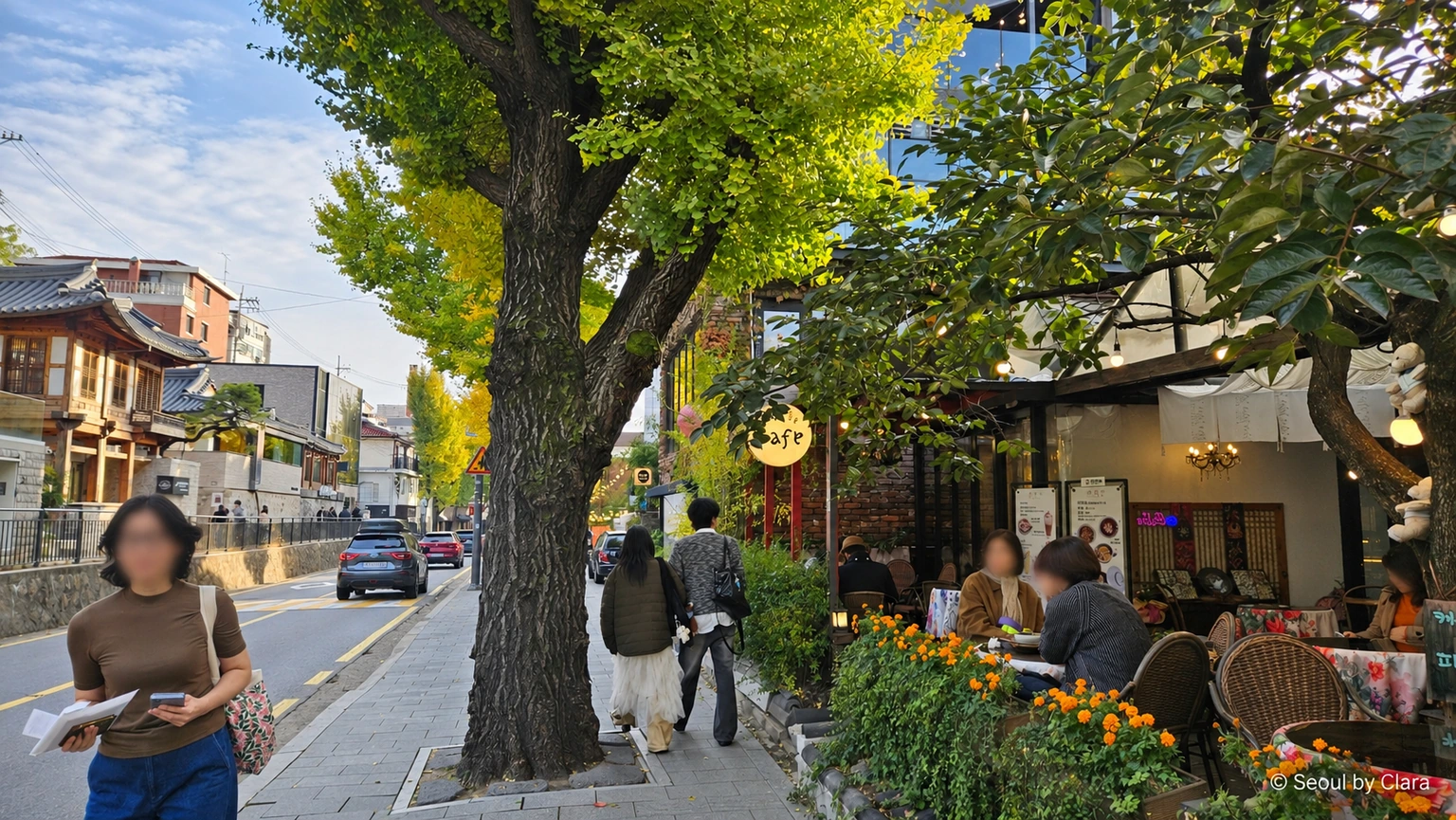
Samcheongdong-gil
- Art
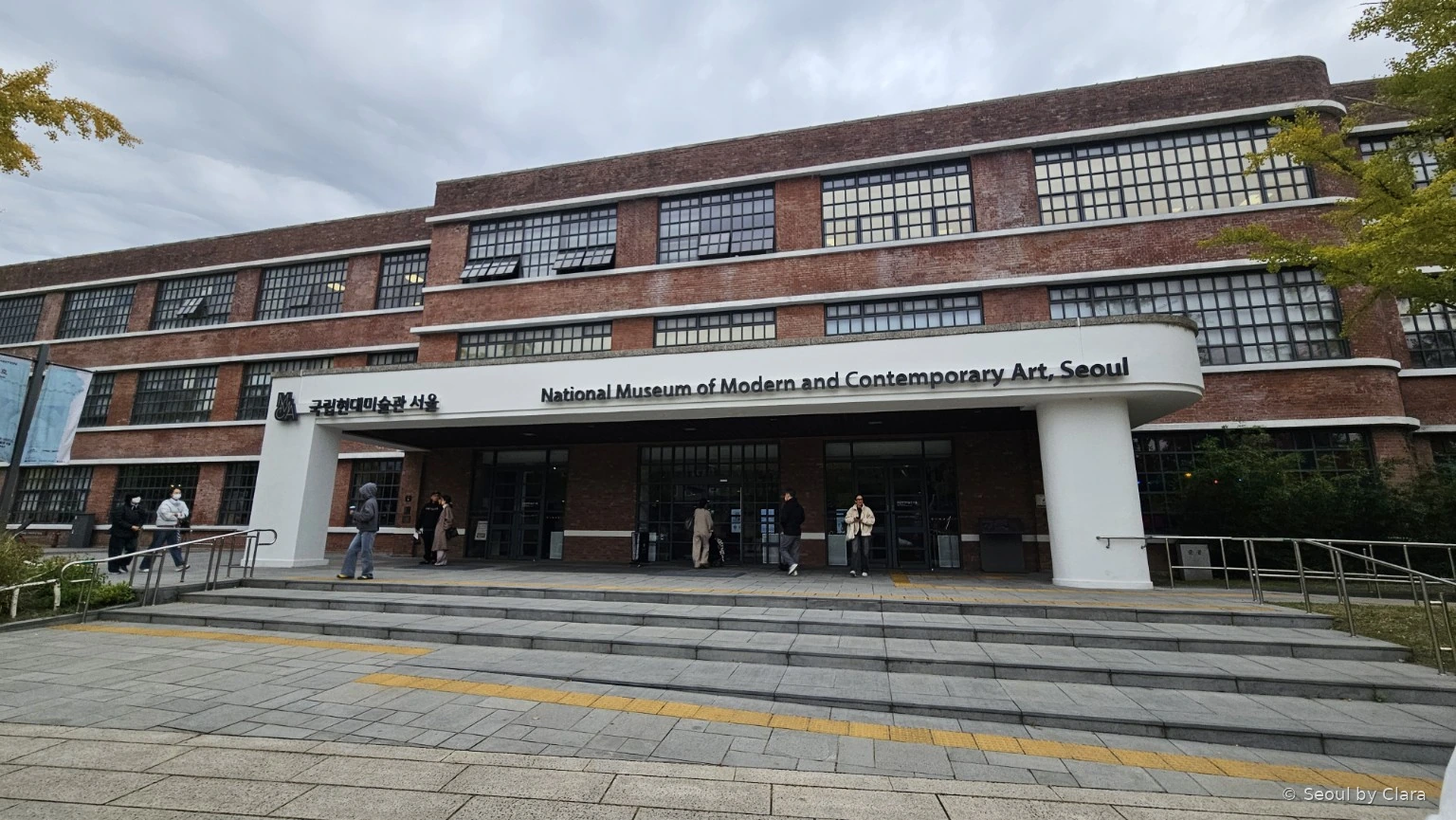
MMCA Seoul
- Culture
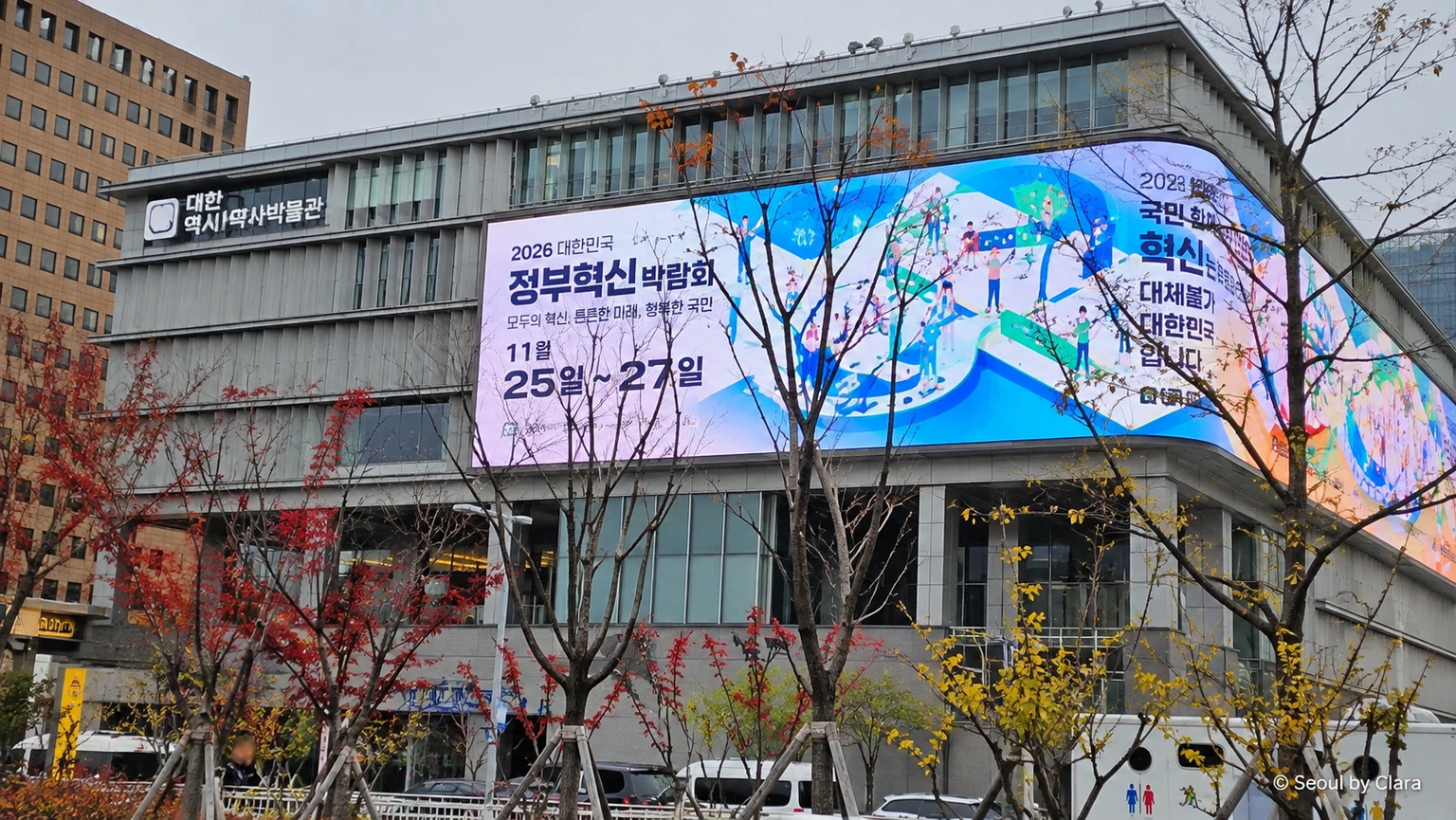
National Museum of Korean Contemporary History
- Cafe
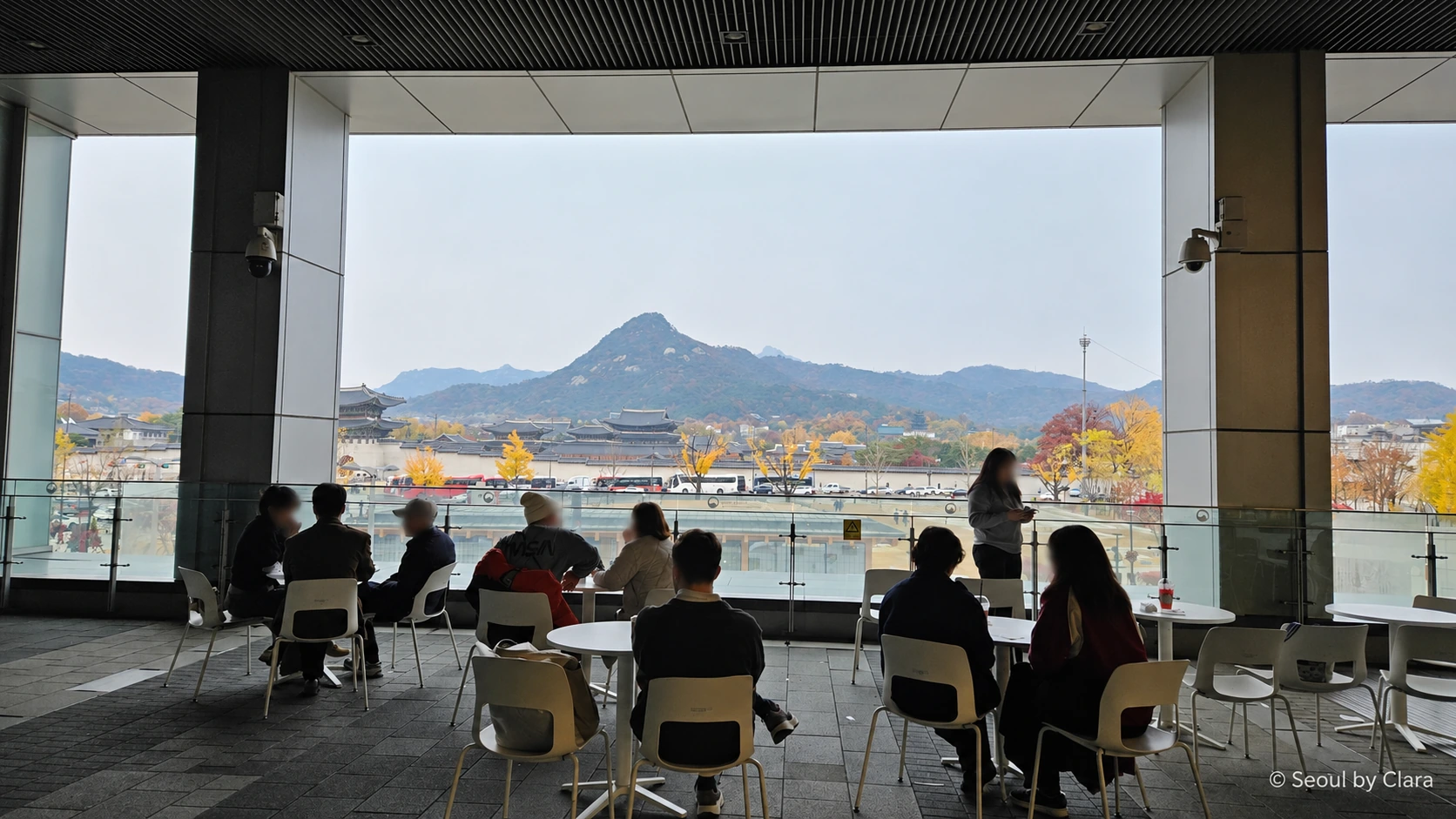
I Got Everything Café (Korean History Museum)
- Views
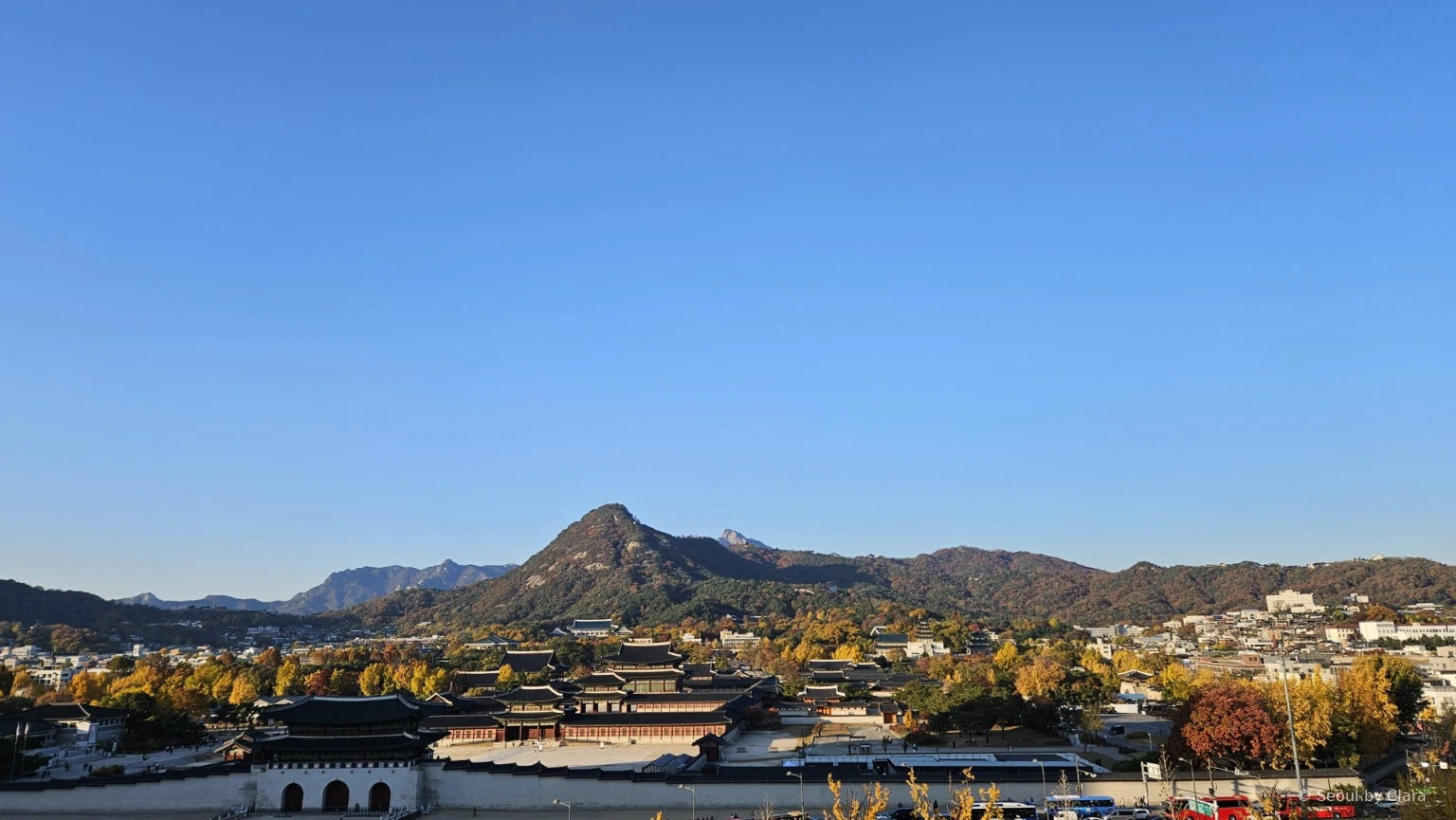
Korean History Museum Rooftop Garden
- Shopping
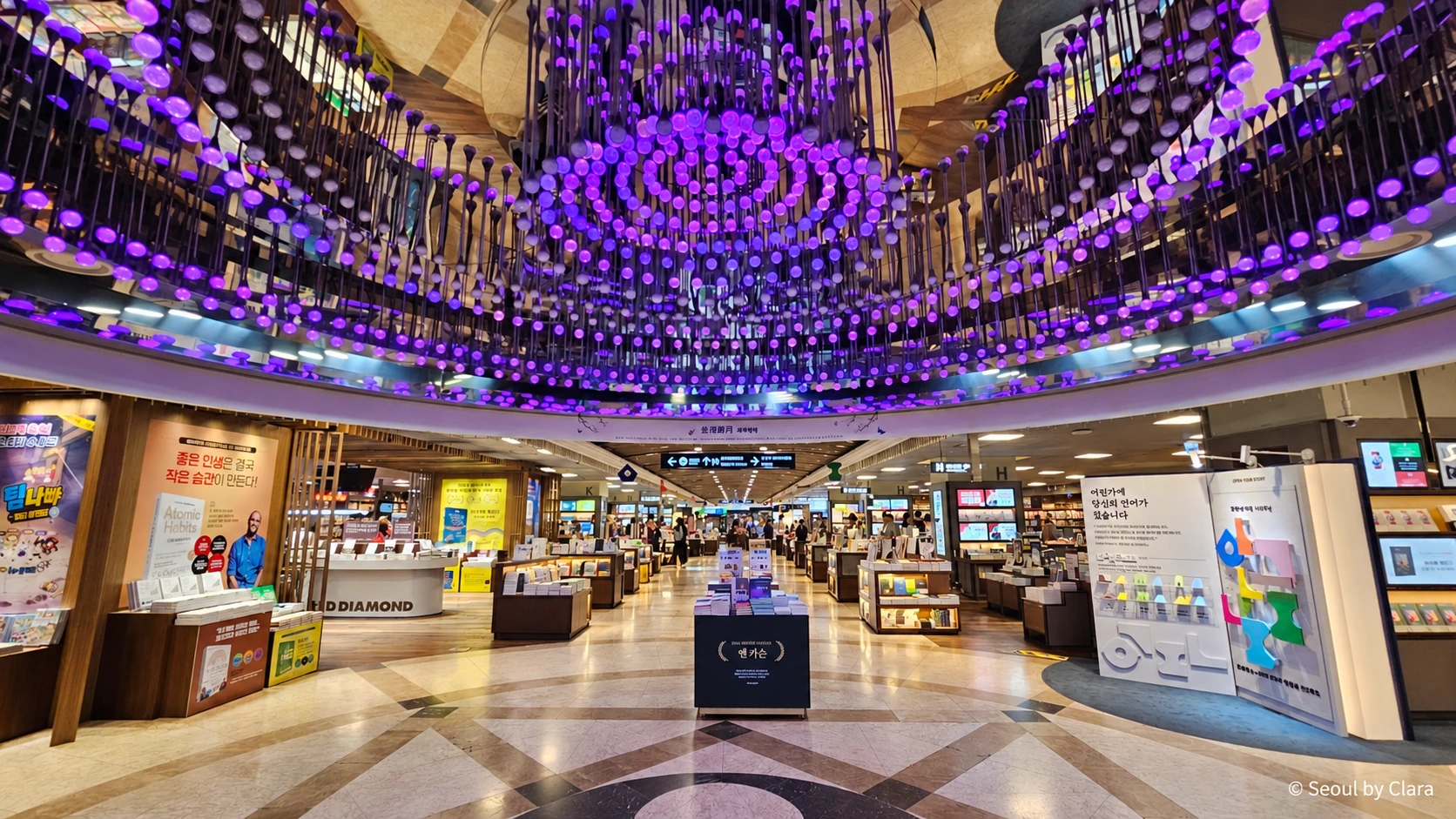
Kyobo Book Centre Gwanghwamun
- Culture
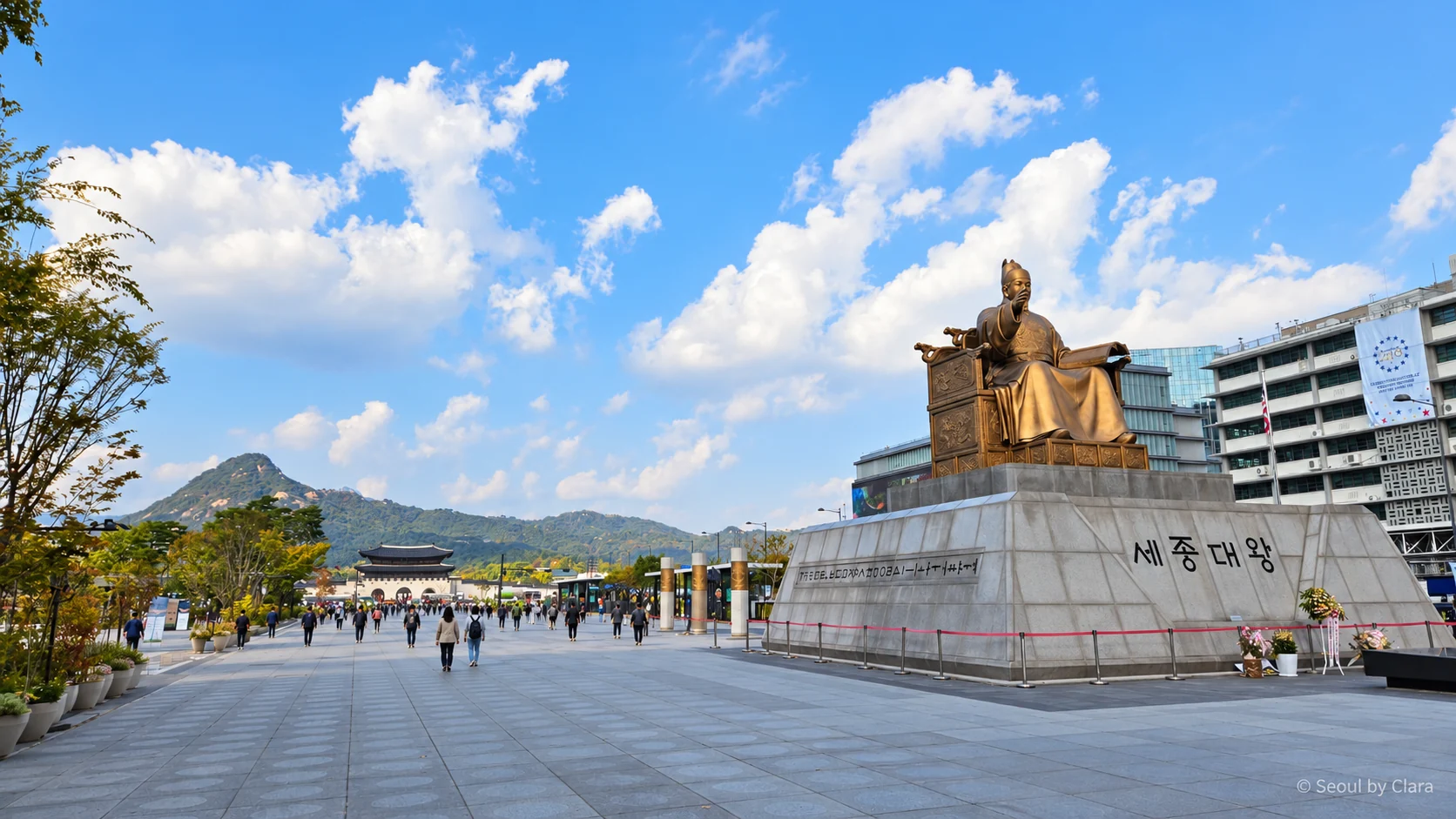
Gwanghwamun Square
- Culture
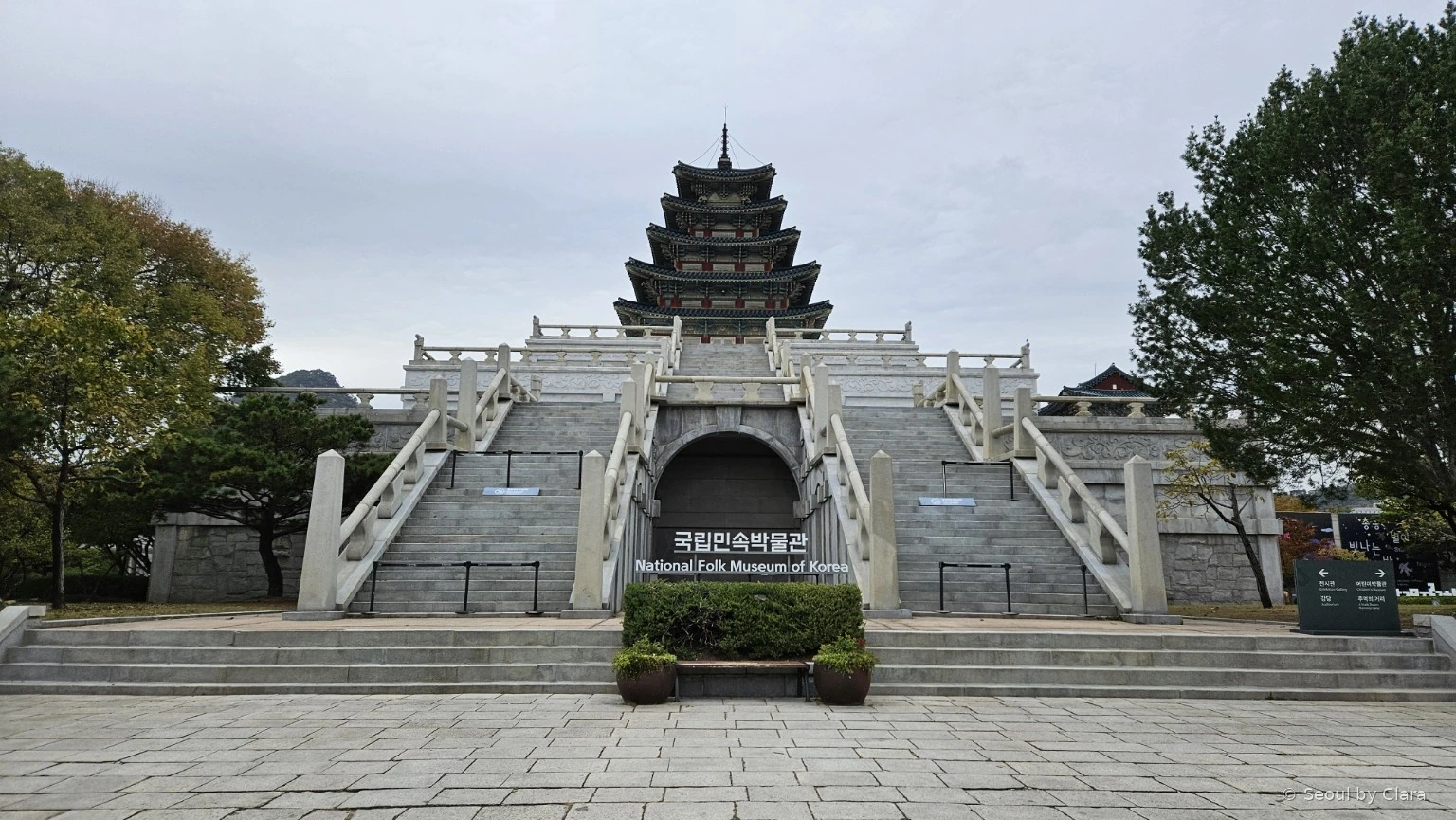
National Folk Museum of Korea
- Parks
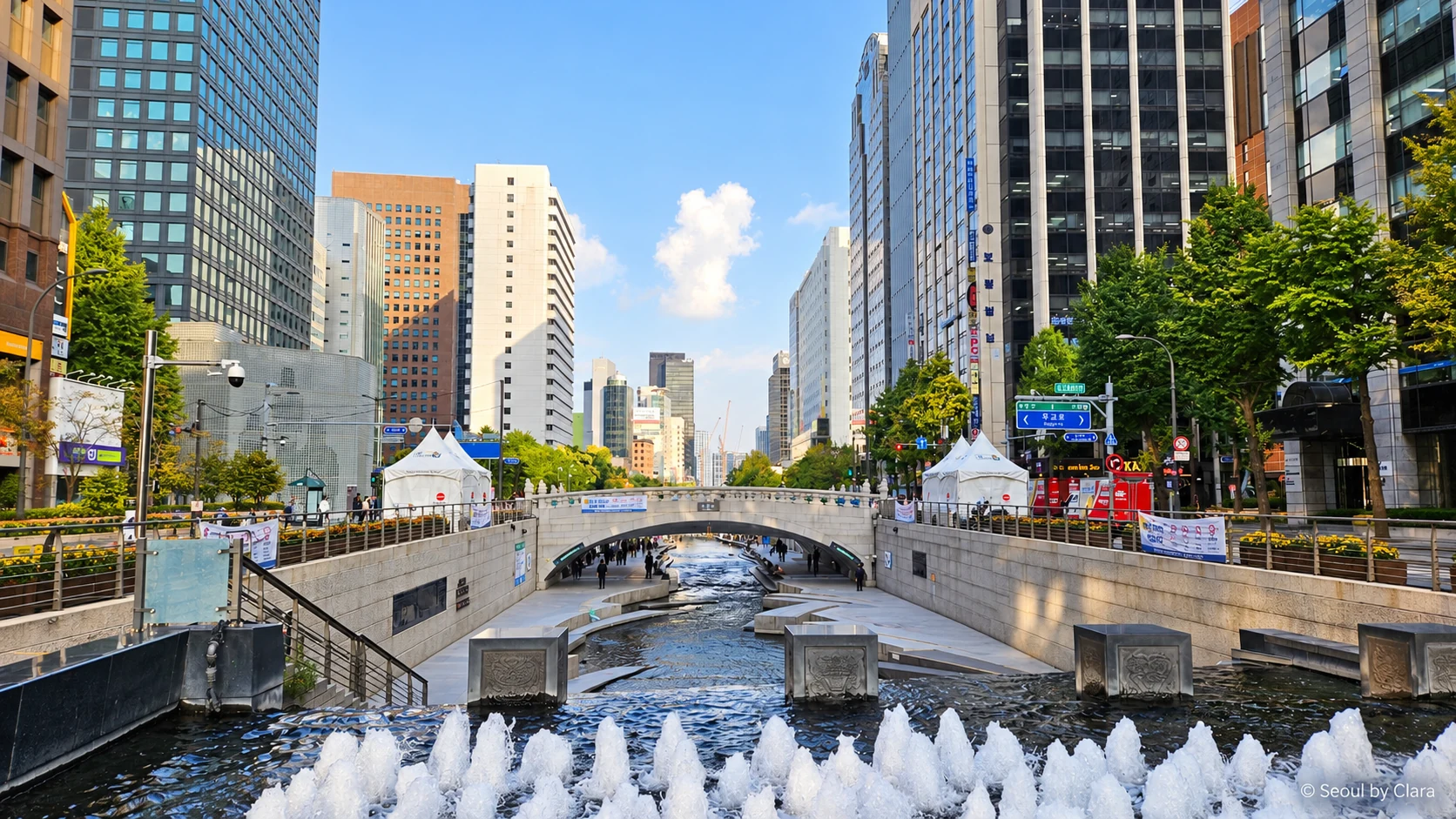
Cheonggyecheon Stream
- Culture
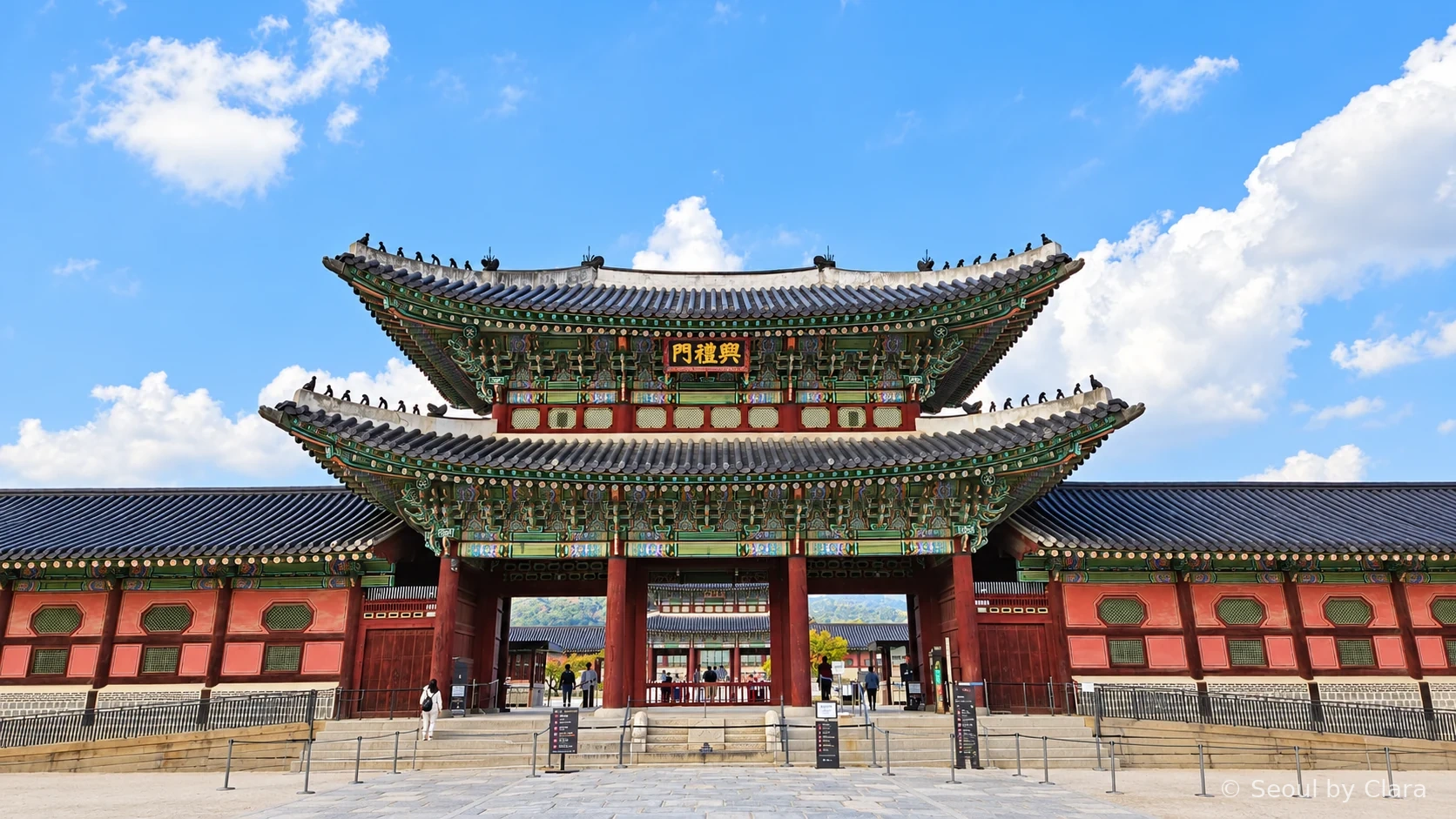
Gyeongbokgung Palace
- Culture
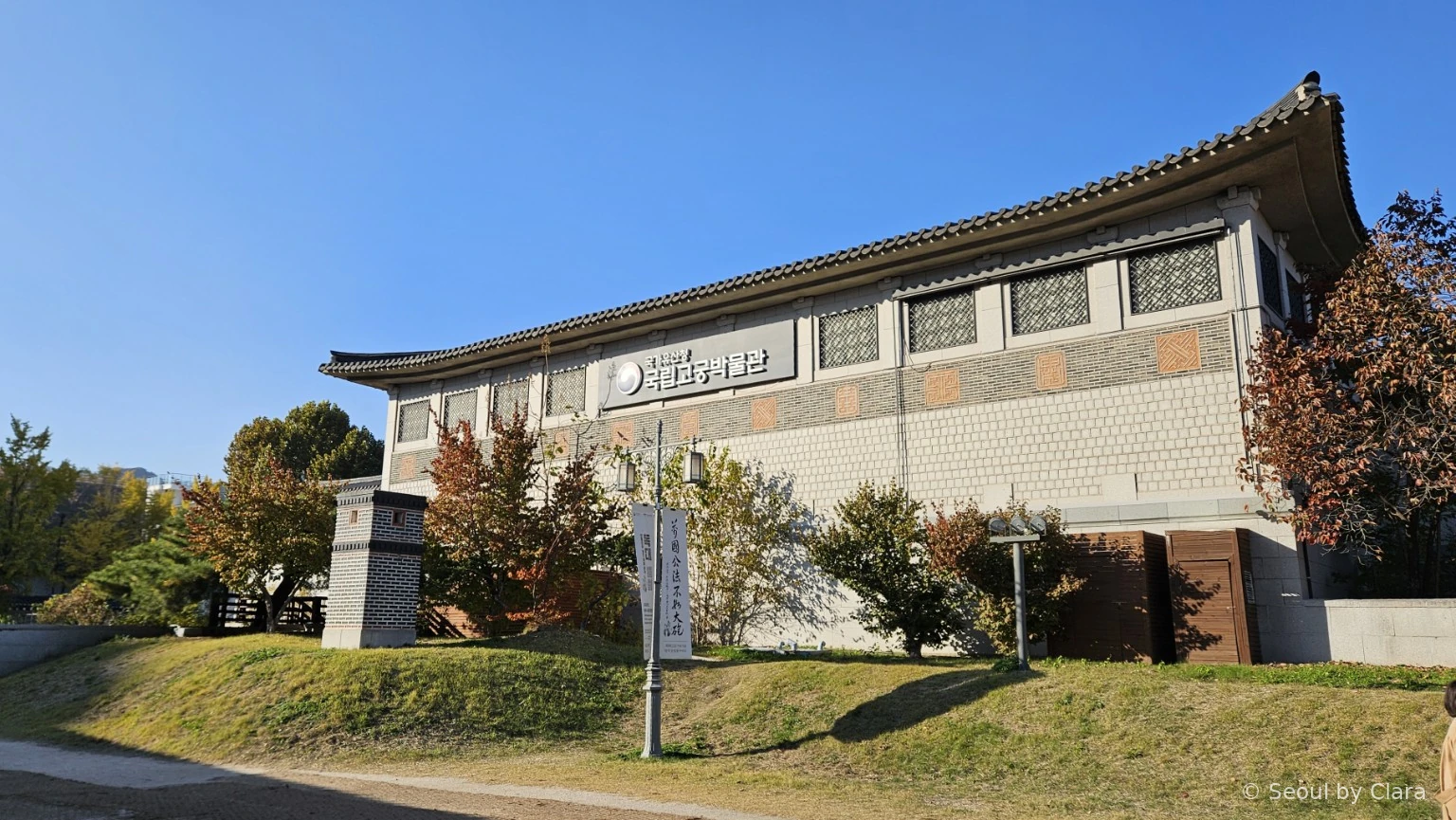
National Palace Museum of Korea
- Food
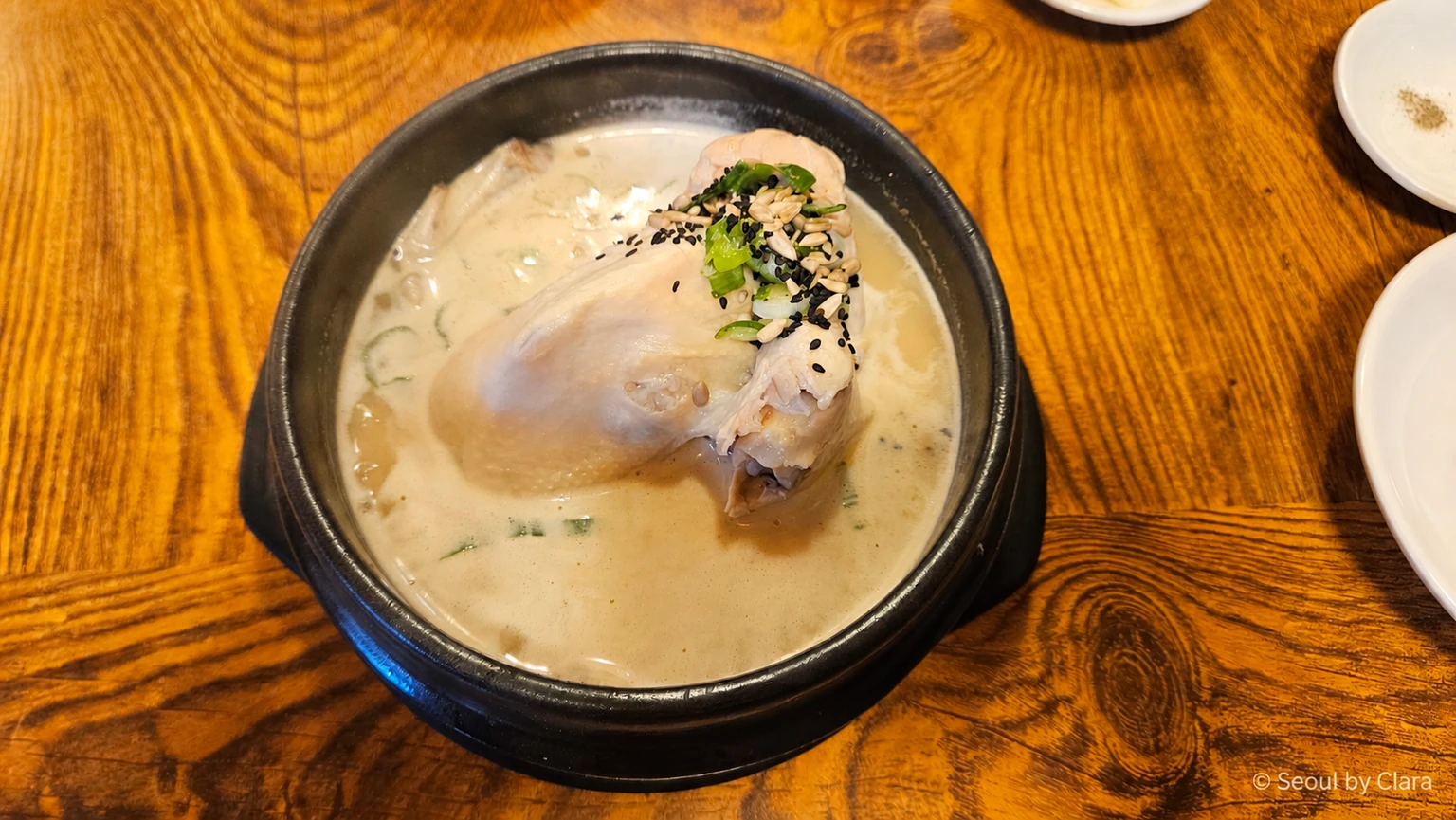
Tosokchon Samgyetang