National Folk Museum of Korea
Overview
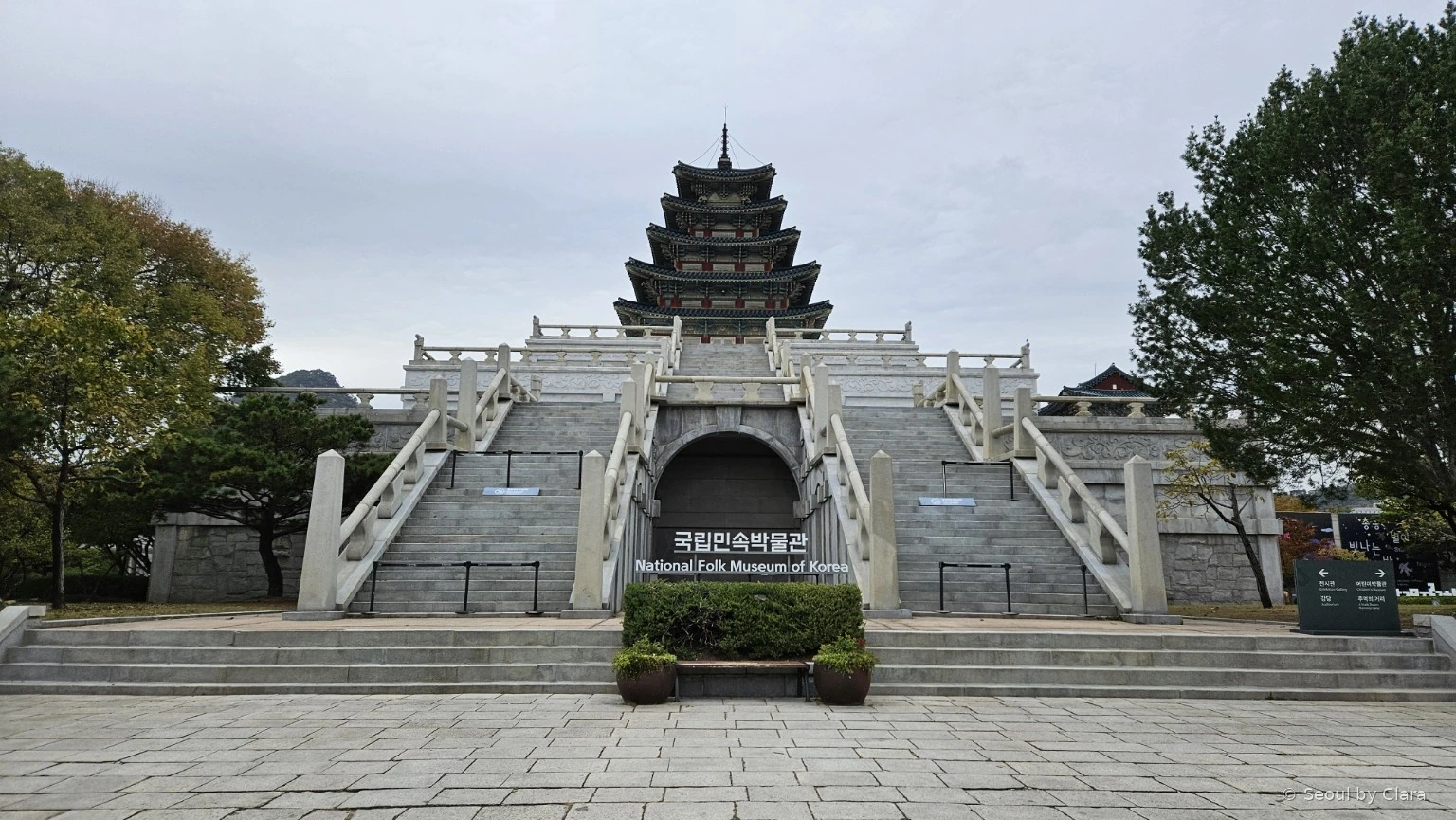
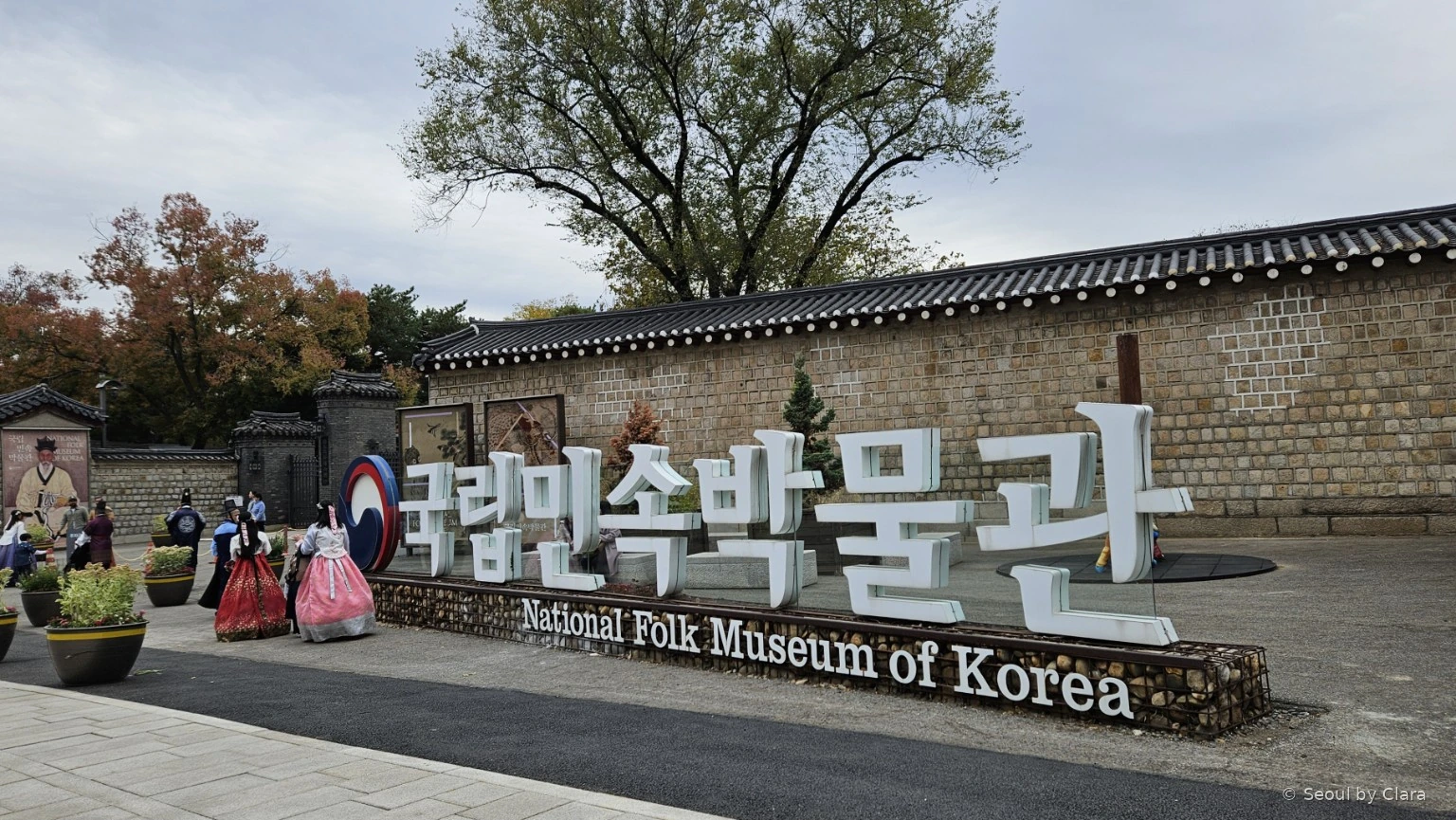
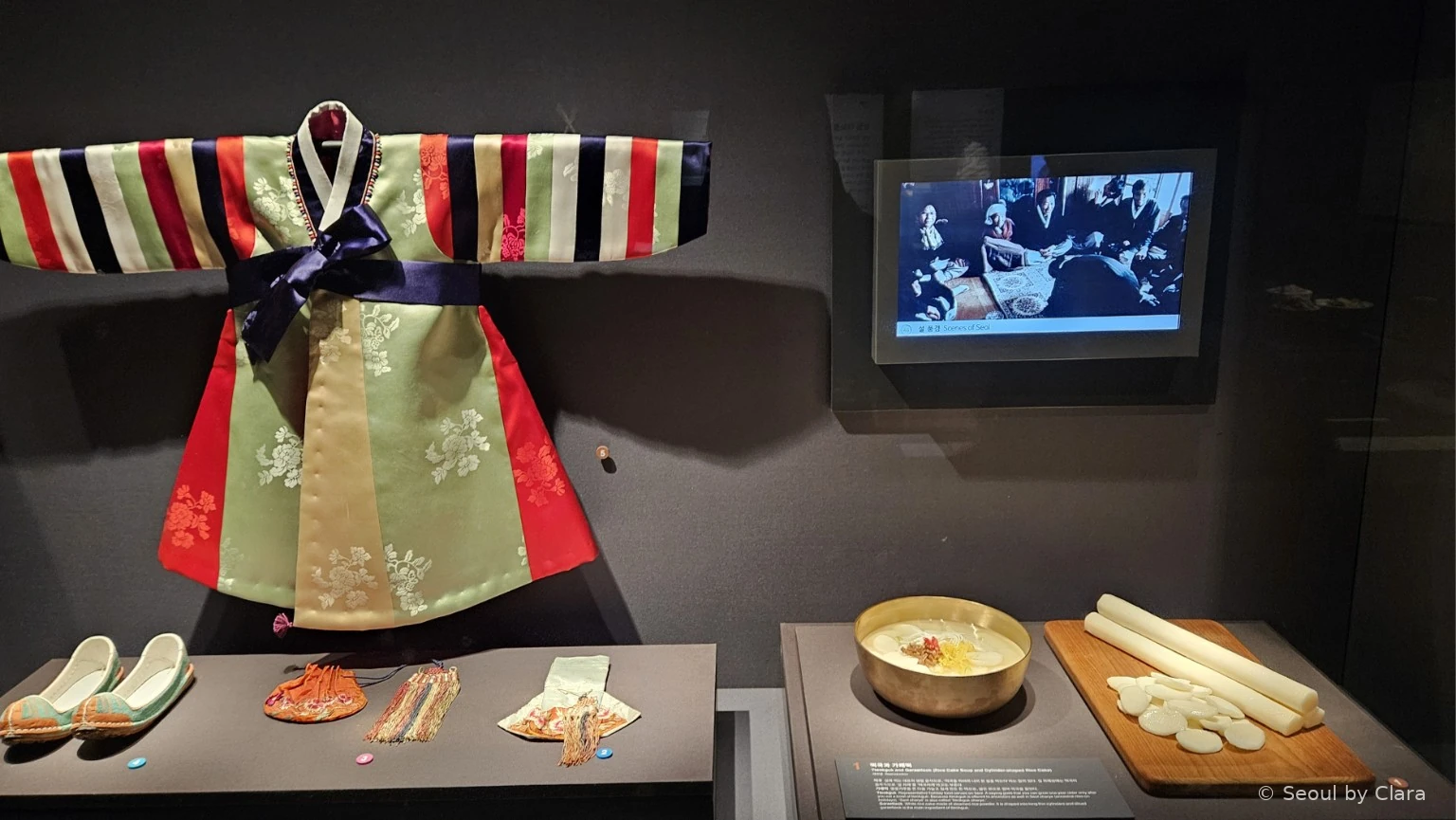
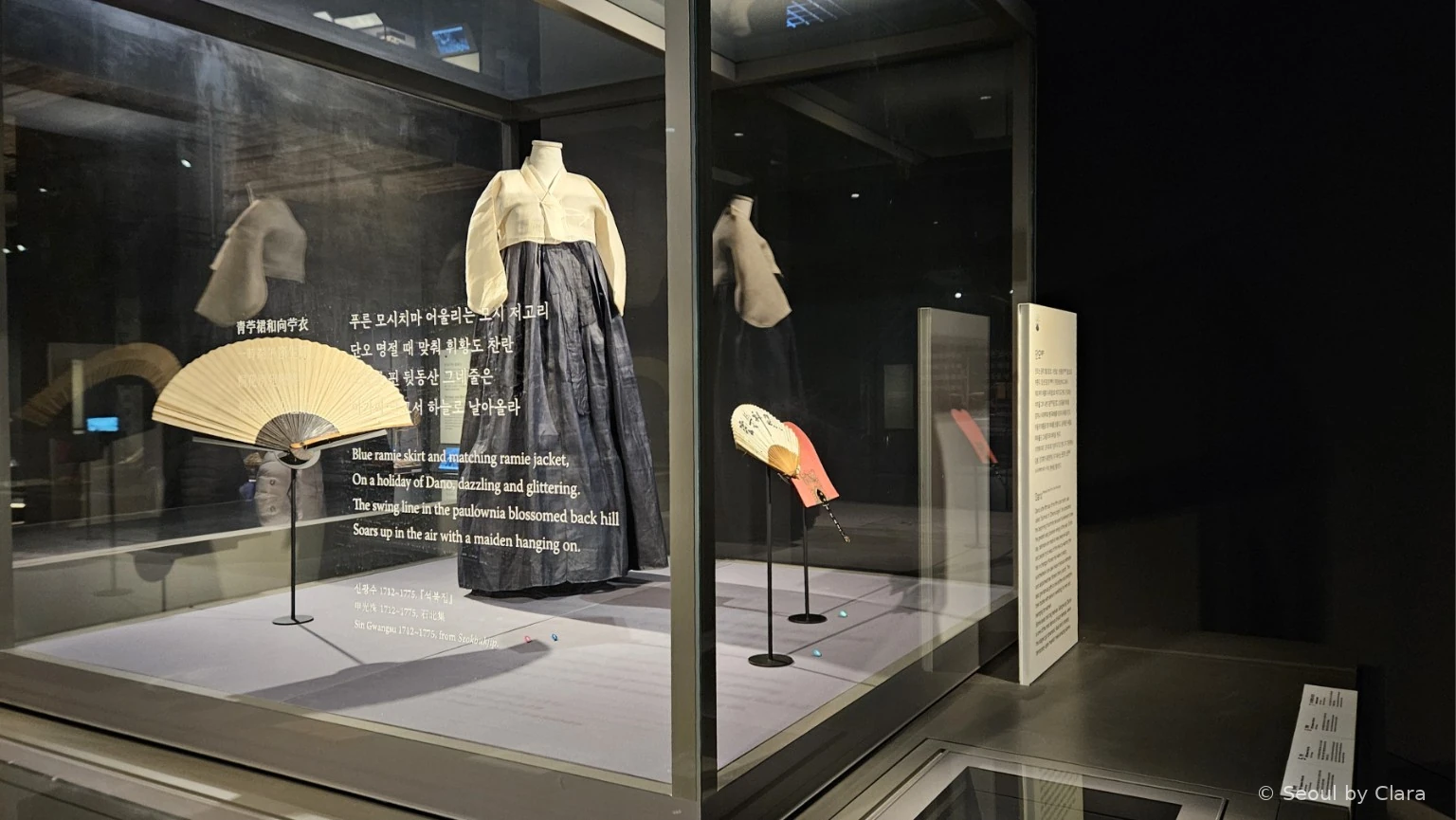
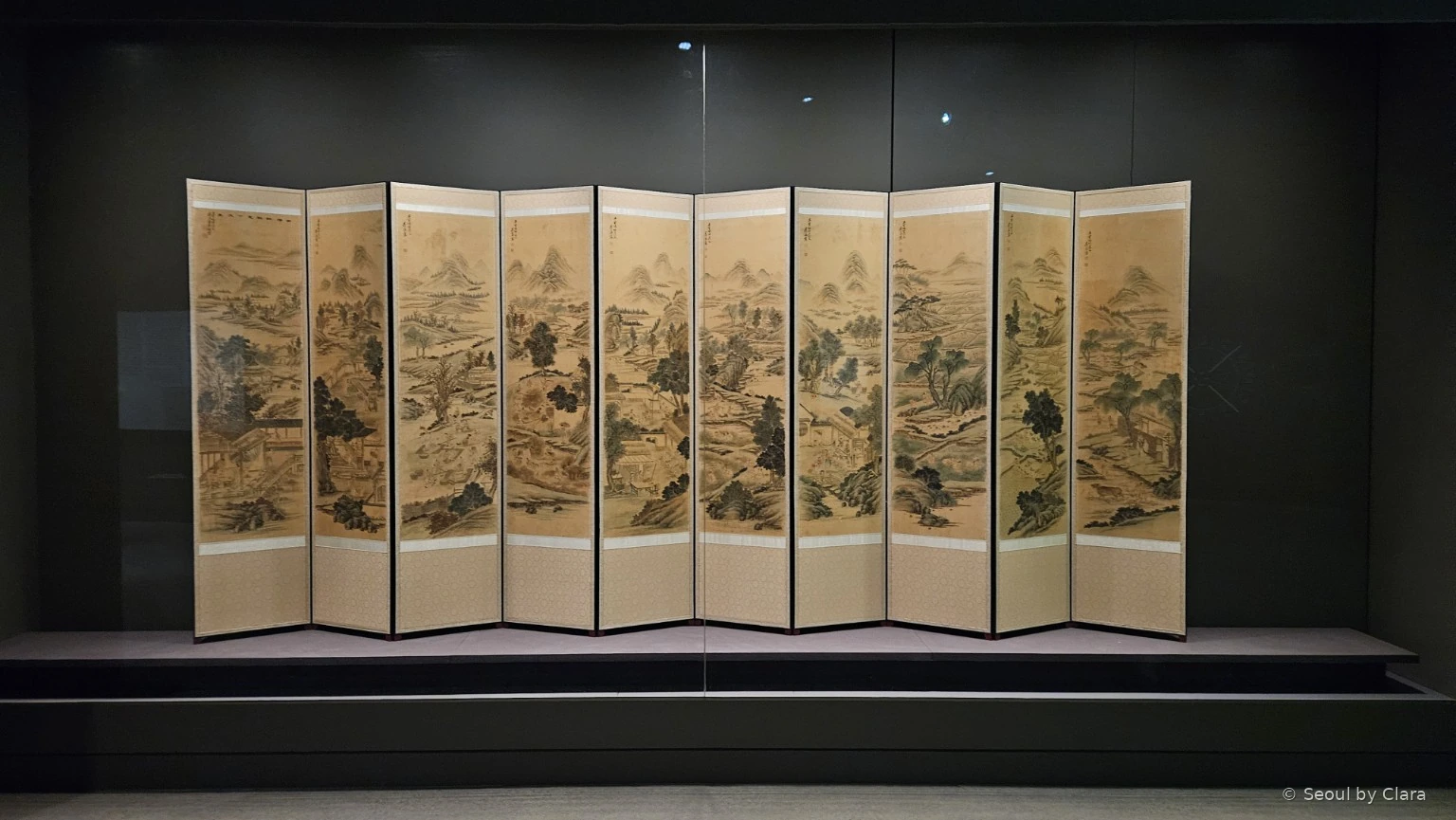
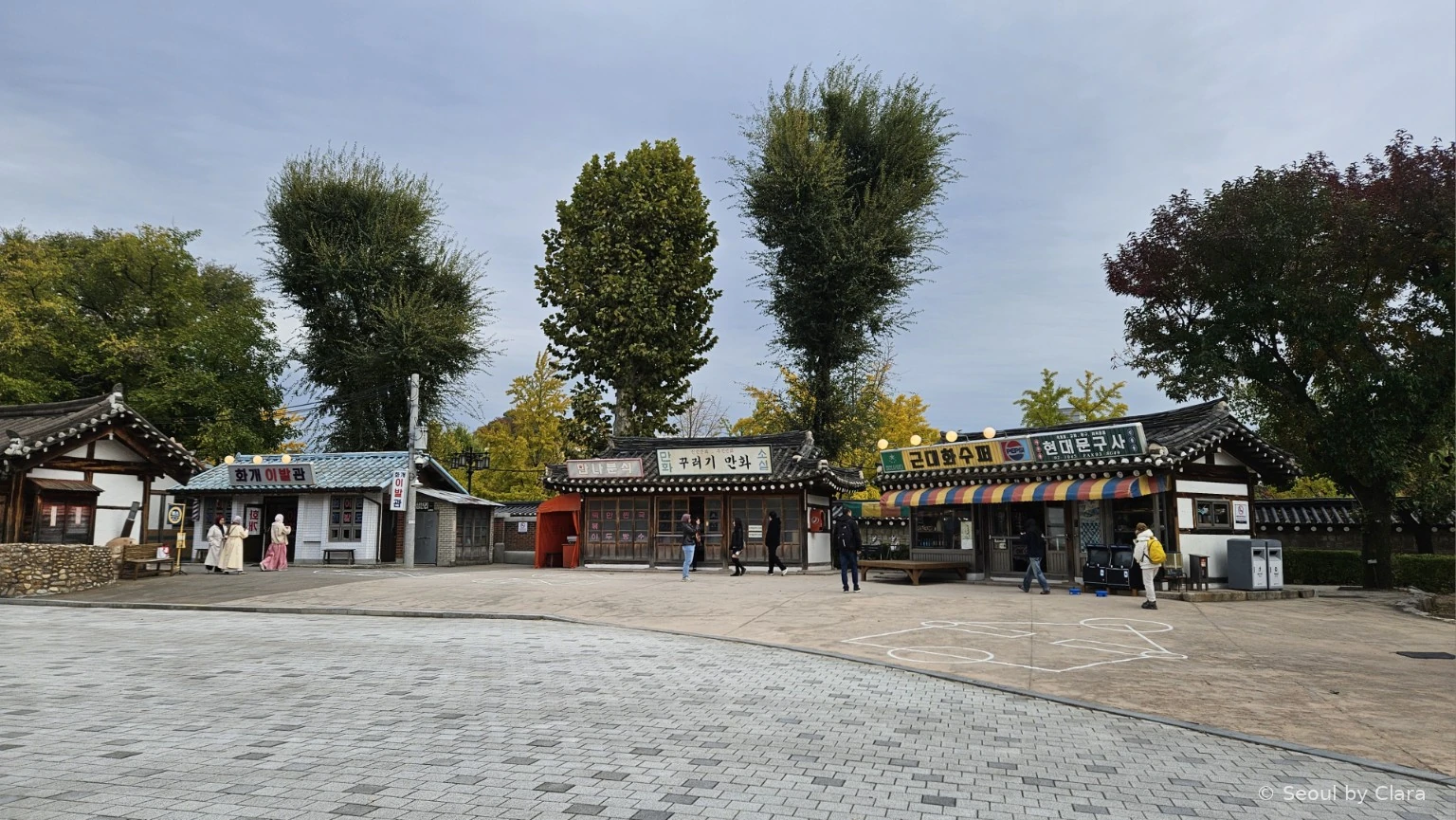
The National Folk Museum of Korea stands beside Gyeongbokgung in Jongno. Its collections document Korean daily life, clothing, and customs through objects such as garments, household goods, and painted screens. The outdoor Streets of Memories display includes reconstructed shopfronts and signs.
Clara's Note
The National Folk Museum of Korea is right next to Gyeongbokgung Palace. Actually, it's so close that it's practically part of the same area!
I visited this museum for the first time while exploring places for Seoul by Clara, and I was pleasantly surprised by how much there was to see.
What I found interesting about this museum is that it's not just about kings, queens, or major historical events. It's about how ordinary Korean people used to live.
You can see the clothes people wore, the tools and household items they used, the food they ate, and the customs they followed in their everyday lives. It's a chance to learn about Korean history from a different perspective, through the lives of everyday people rather than just the royal family.
One part I found particularly interesting was the traditional seasonal customs. In Korea, there are certain foods and traditions associated with different times of the year. For example, eating patjuk (red bean porridge) during the winter solstice, or ogokbap (five-grain rice) and seasoned vegetables around Jeongwol Daeboreum, the first full moon of the lunar year.
These are the kinds of traditions that have been passed down through generations, and some are still part of Korean life today. I think it's interesting to see how even something as simple as what people ate on a particular day can tell you so much about a culture.
If you're curious about traditional Korean life beyond the palaces and royal history, I think this museum is well worth a visit.
And since it's right next to Gyeongbokgung Palace, it's really convenient to visit both on the same day. You can explore the palace and then stop by the museum to get a better idea of what life was like for ordinary Koreans.
I hadn't visited this museum before working on Seoul by Clara, but I'm glad I finally did. It's a lovely place to discover another side of Korean history, and I'd definitely recommend stopping by if you're already in the area.
Nearby
- Modern and contemporary art finds a home in historic Jongno, with the museum sitting near Samcheong-dong and Gyeongbokgung Palace.Photo coming soon
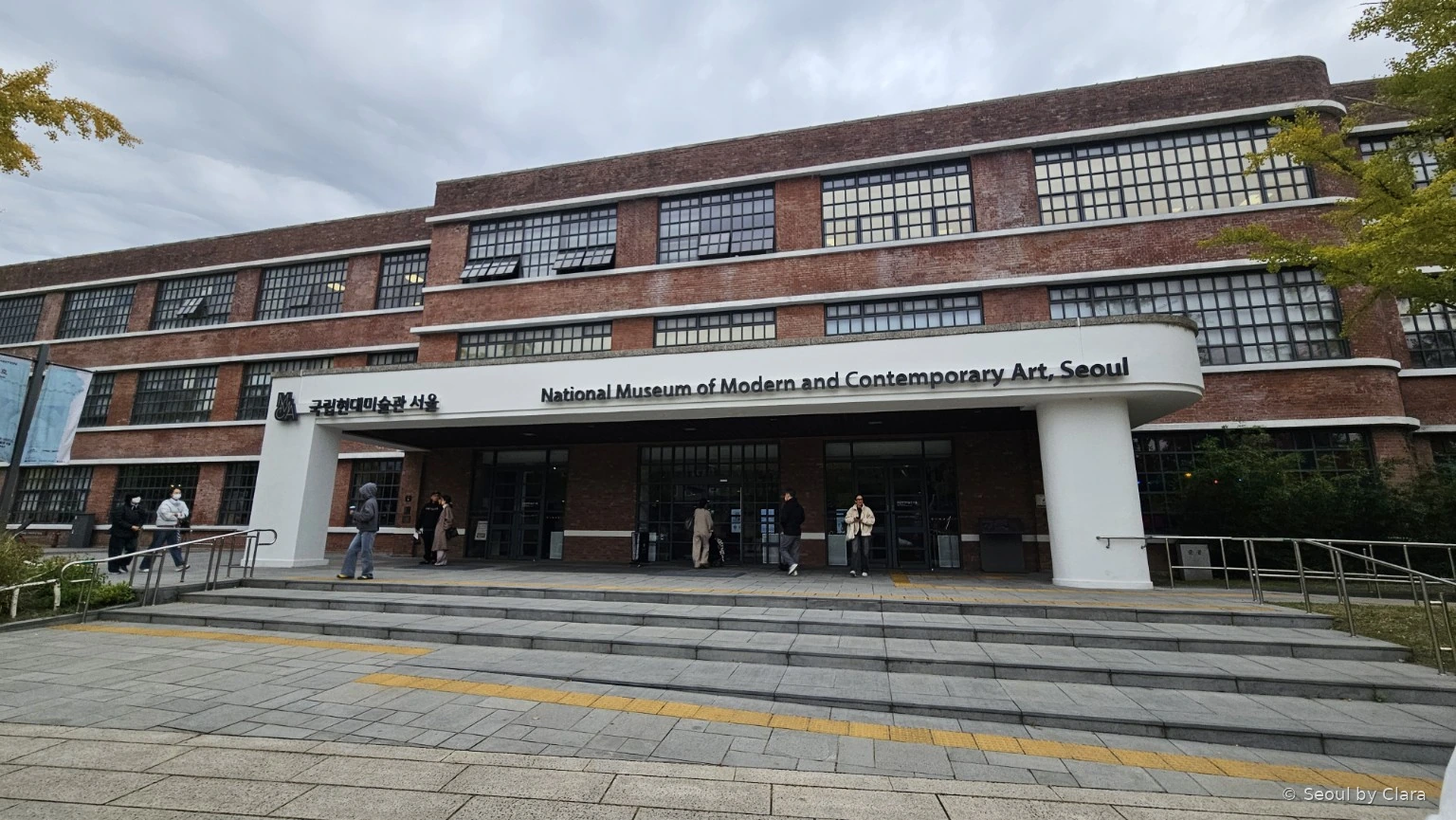
MMCA Seoul
- Another side of the neighborhood to explore at your own pace. A street walk along Samcheong-ro, with galleries, cafés, shops, and traditional buildings beside Gyeongbokgung.Photo coming soon
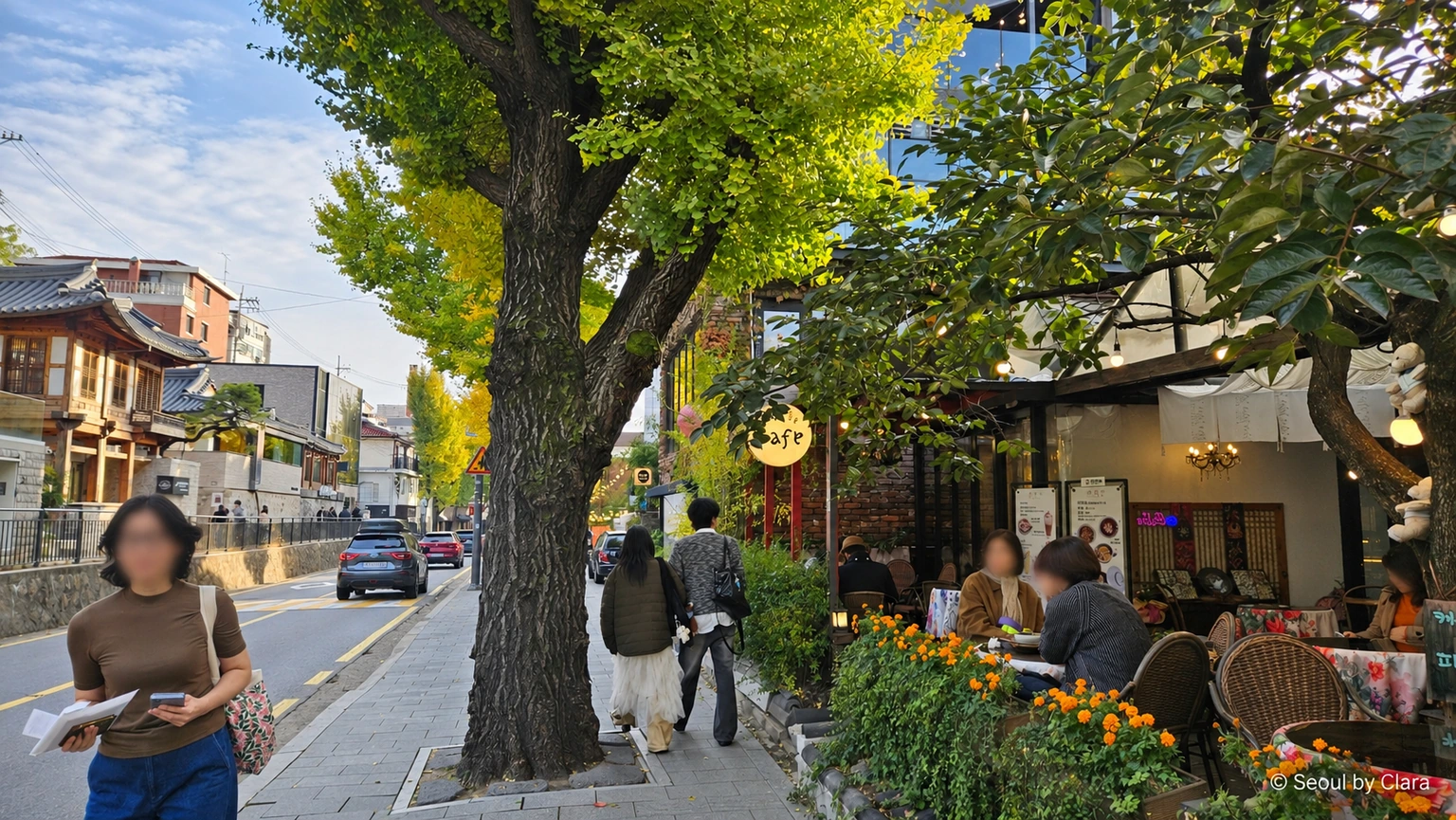
Samcheongdong-gil
- Seasonal flower beds and open lawns leave room for mountain views between Gyeongbokgung and Anguk, amid central Jongno’s dense streets.Photo coming soon
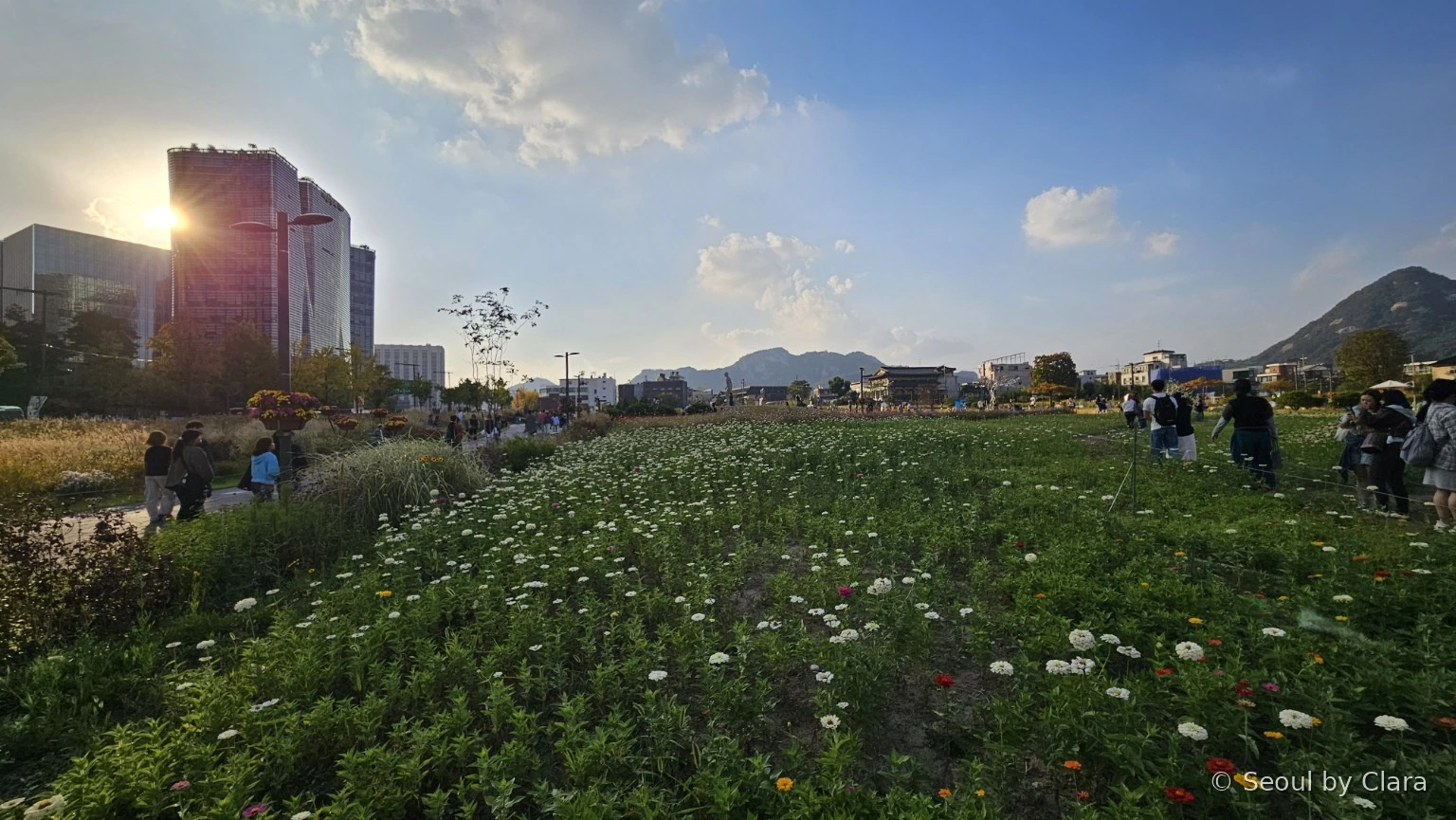
Songhyeon Green Plaza
- Broad royal courtyards lead to painted halls, a waterside pavilion, and tiled roofs that frame the mountains beyond central Jongno.Photo coming soon
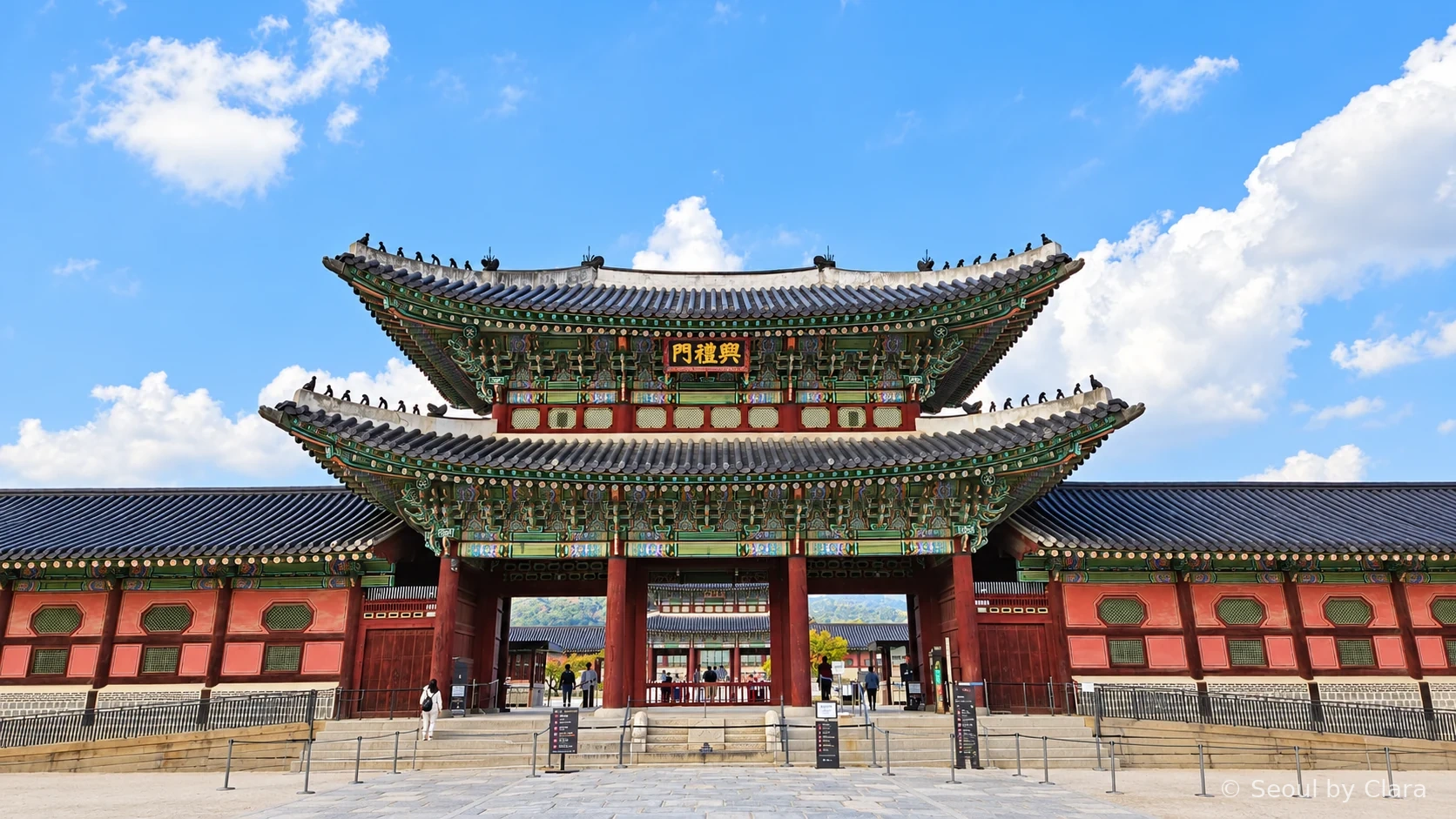
Gyeongbokgung Palace
- Royal seals, ceremonial clothing, and objects from the Joseon court.Photo coming soon
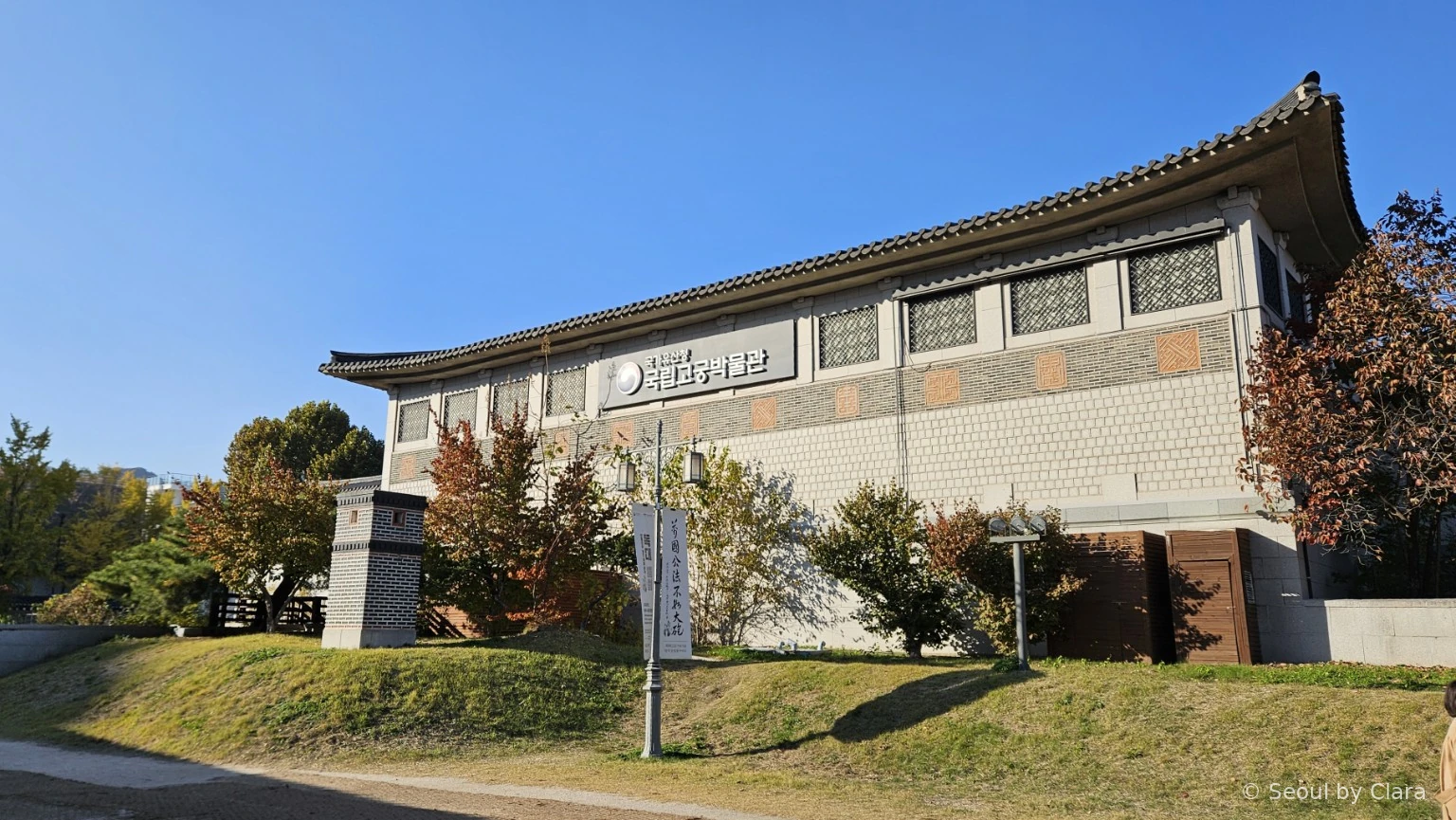
National Palace Museum of Korea
- A residential neighborhood of traditional hanok houses and lanes between Seoul’s royal palaces.Photo coming soon
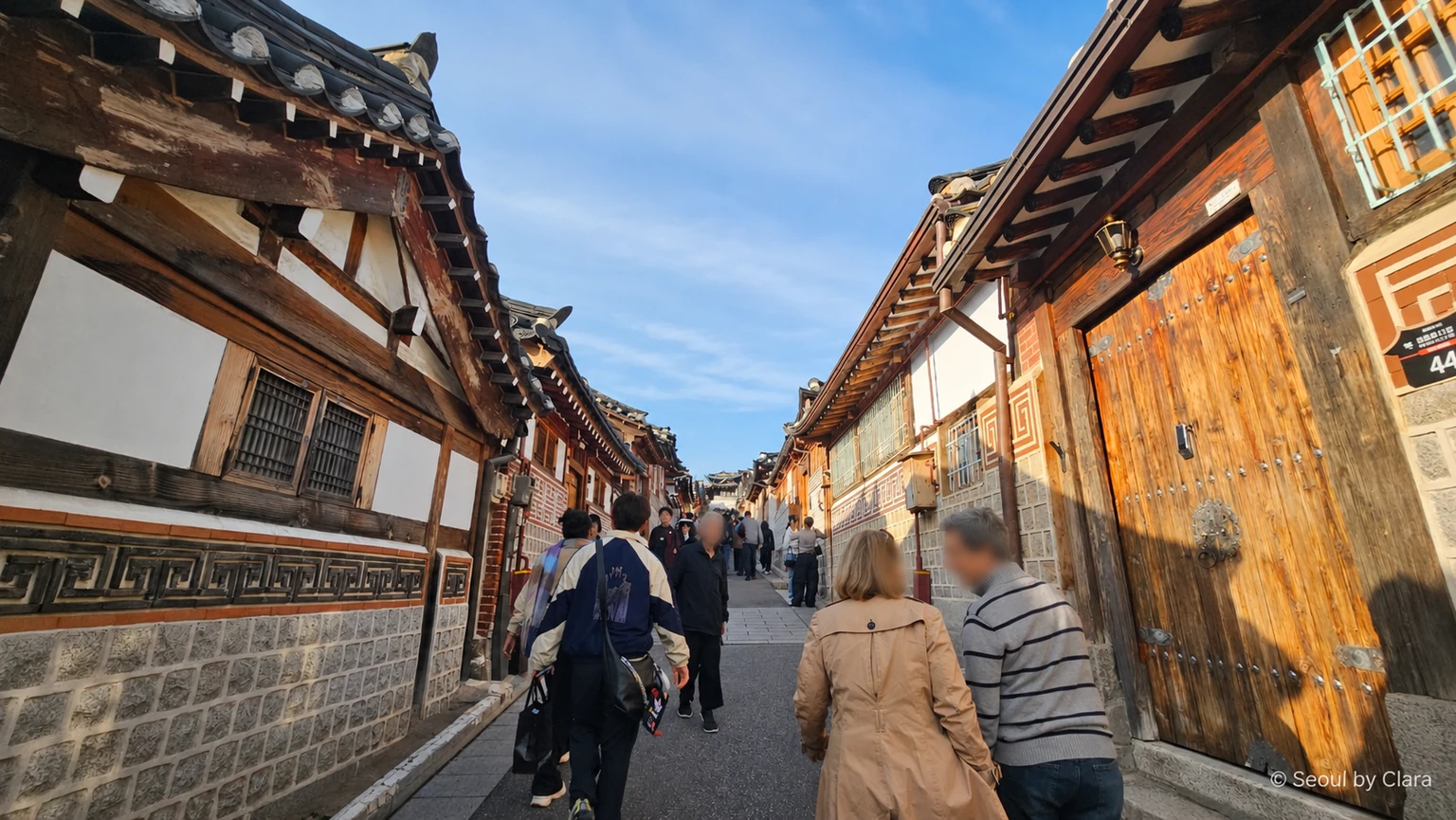
Bukchon Hanok Village