Gyeongbokgung Palace
Overview
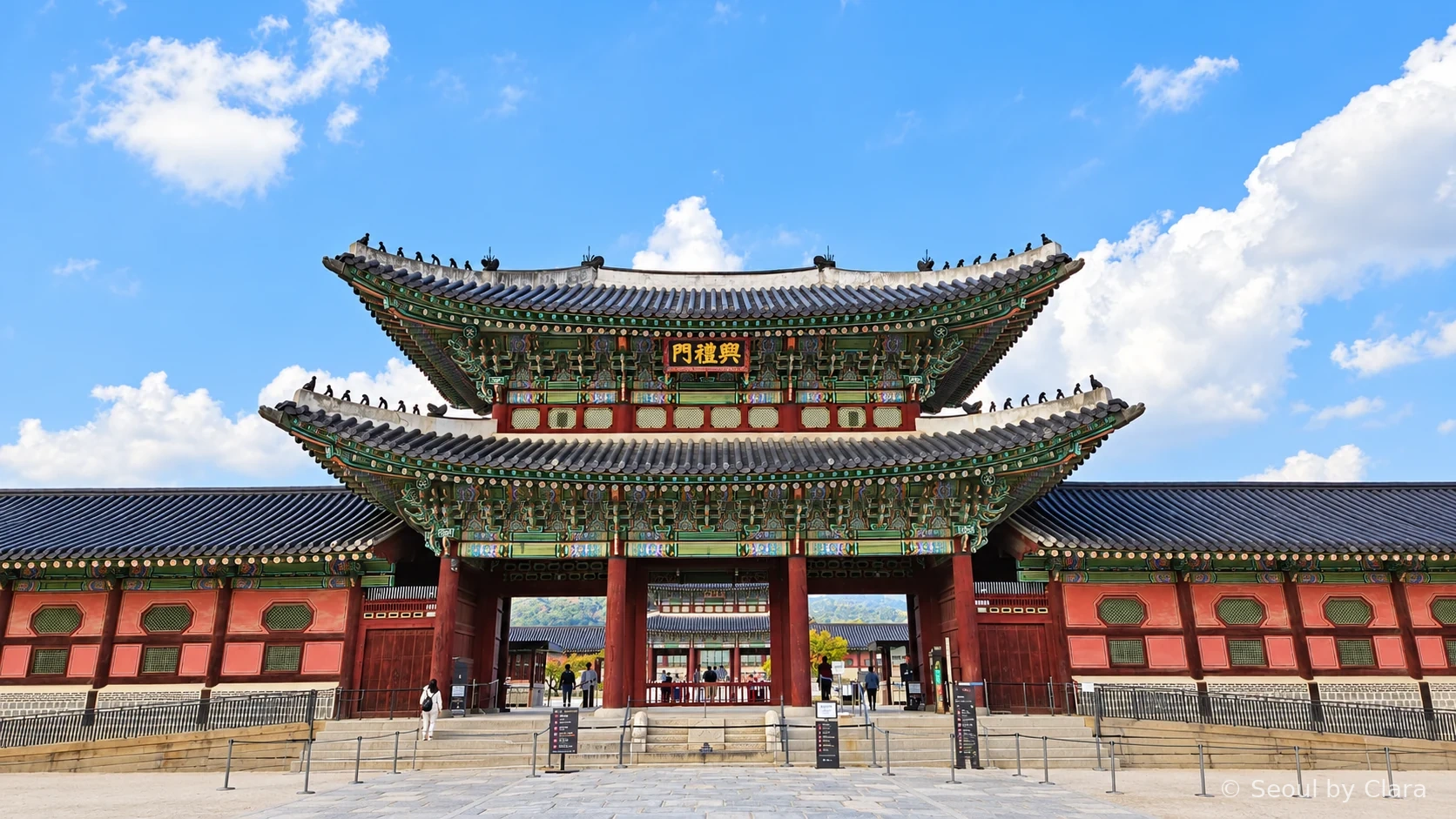
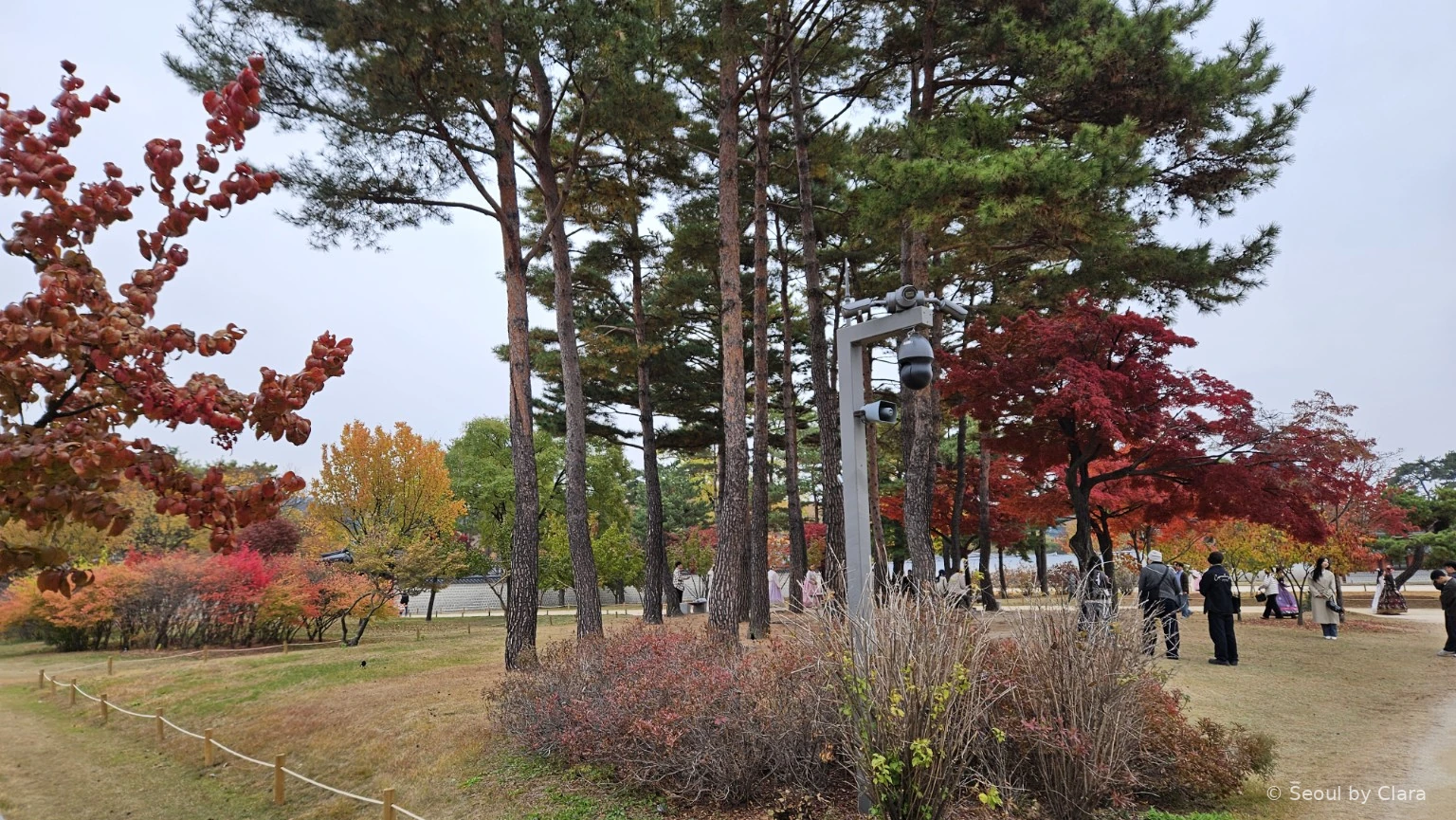
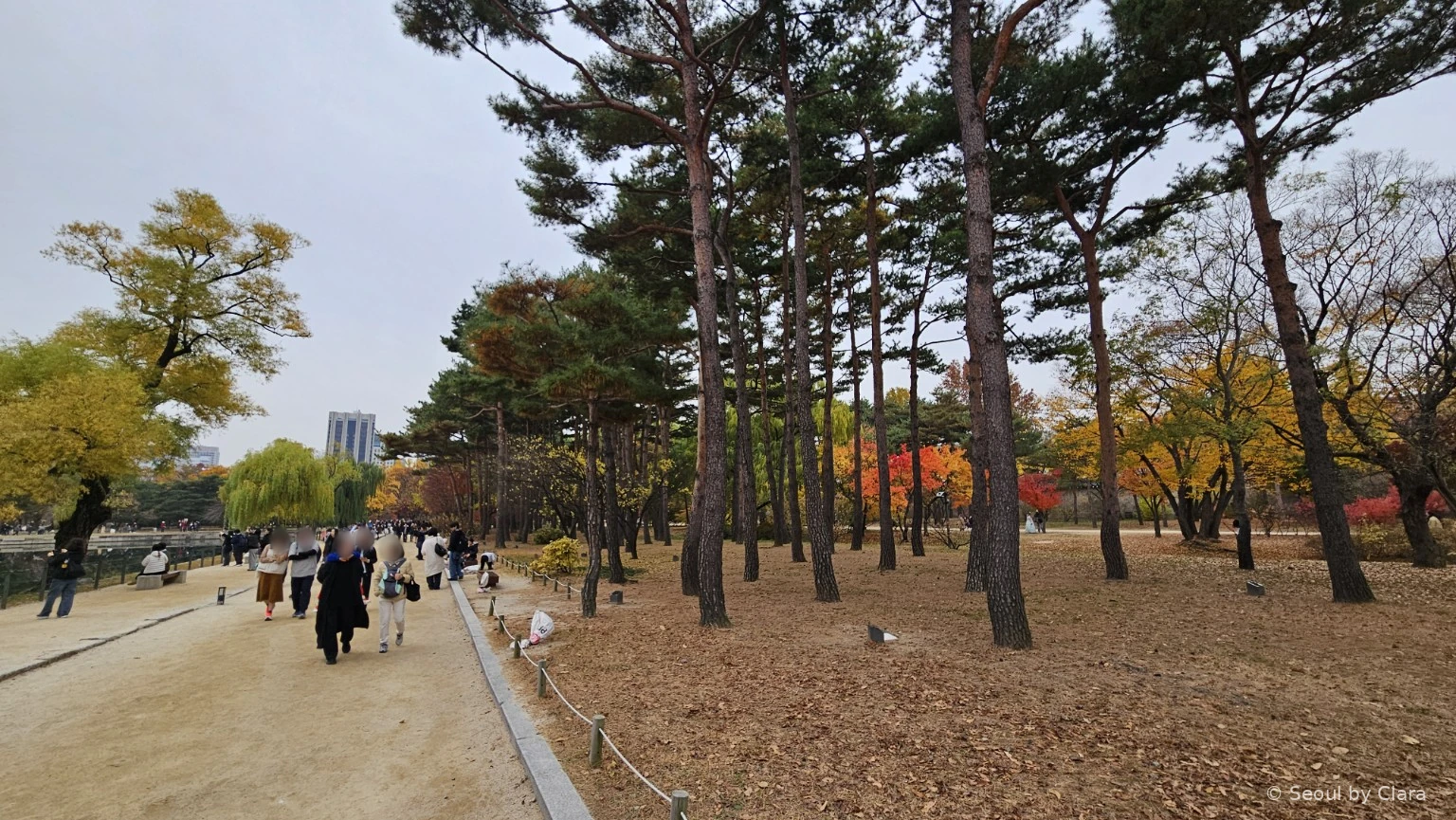
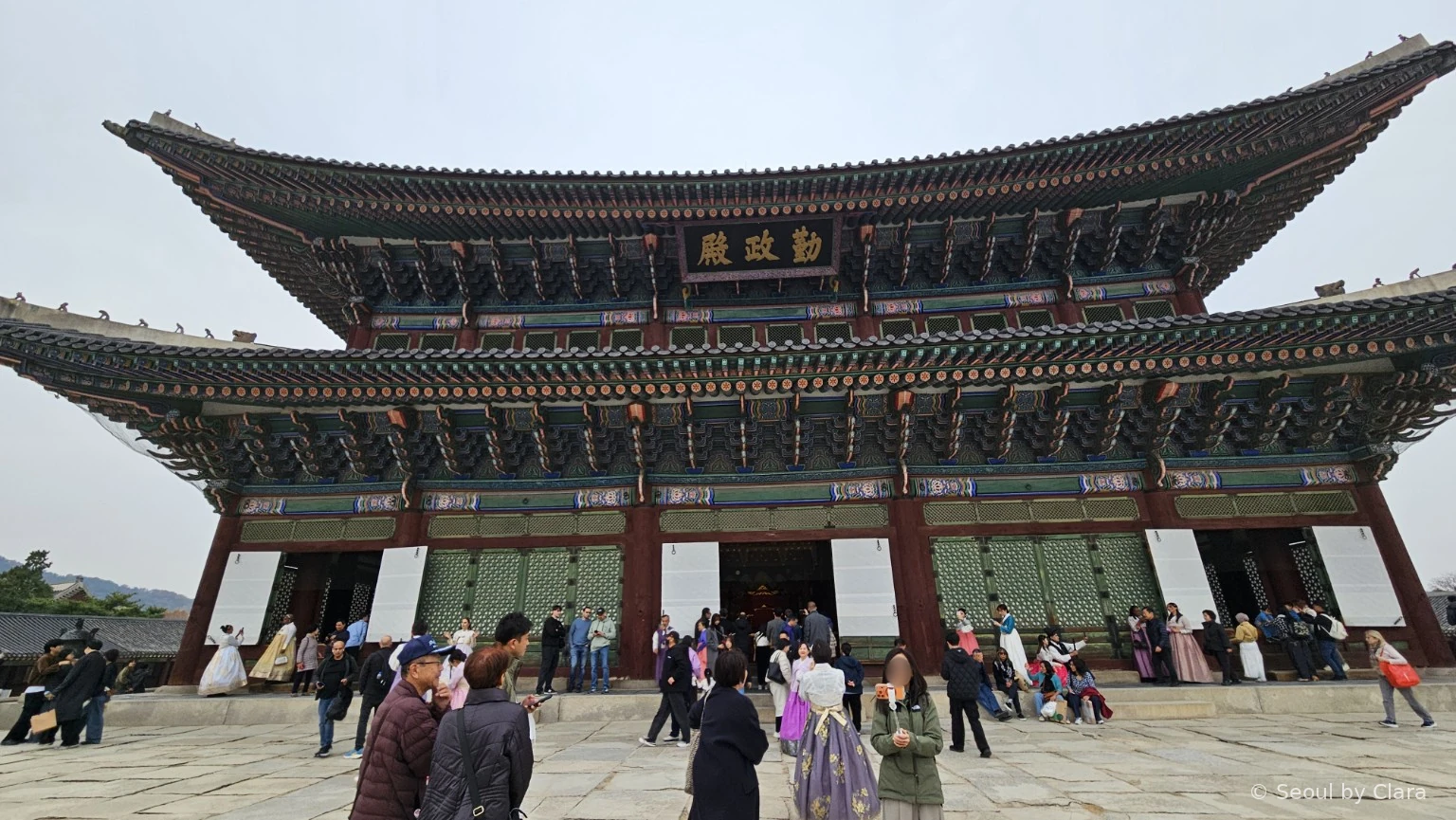
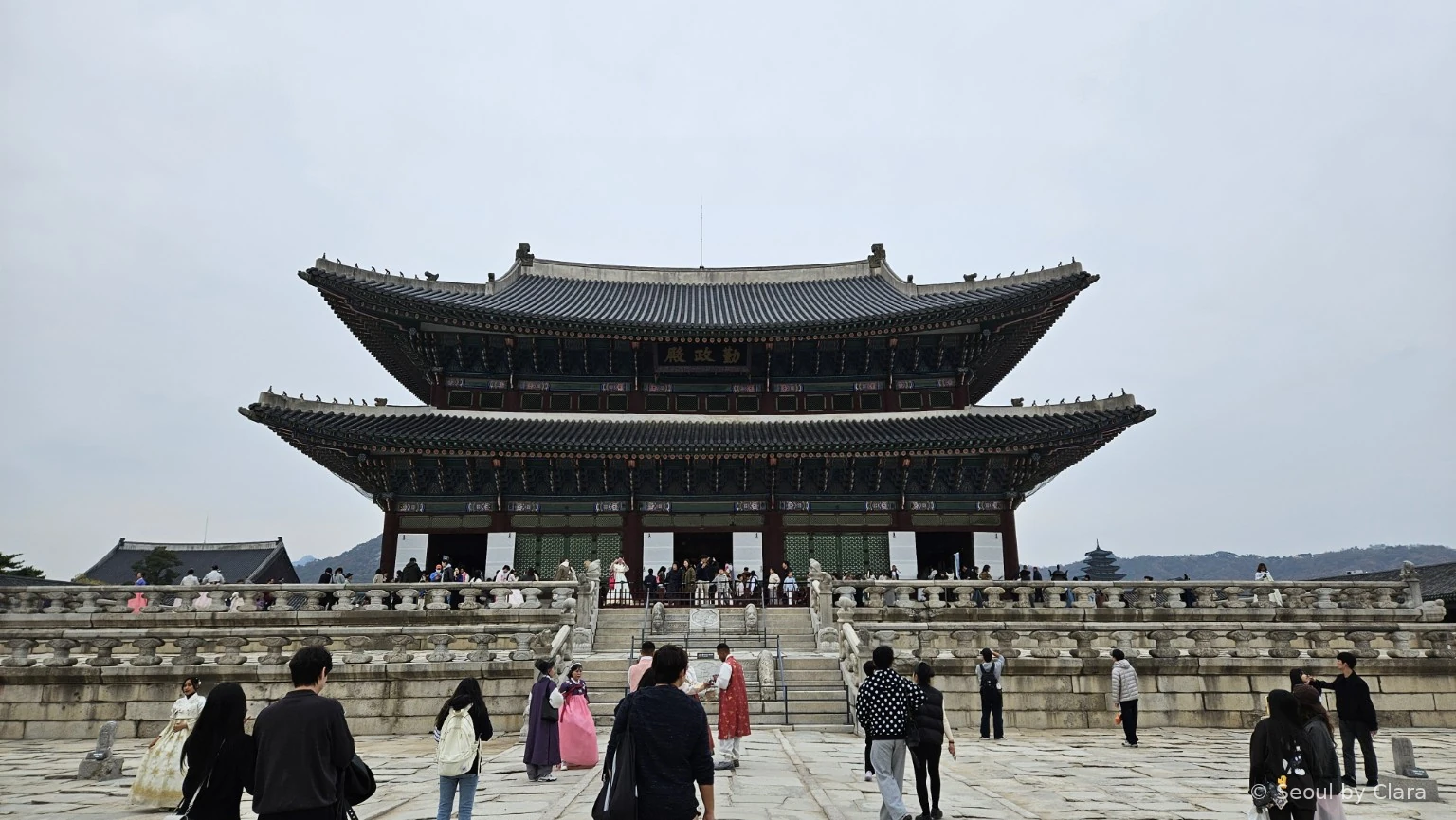
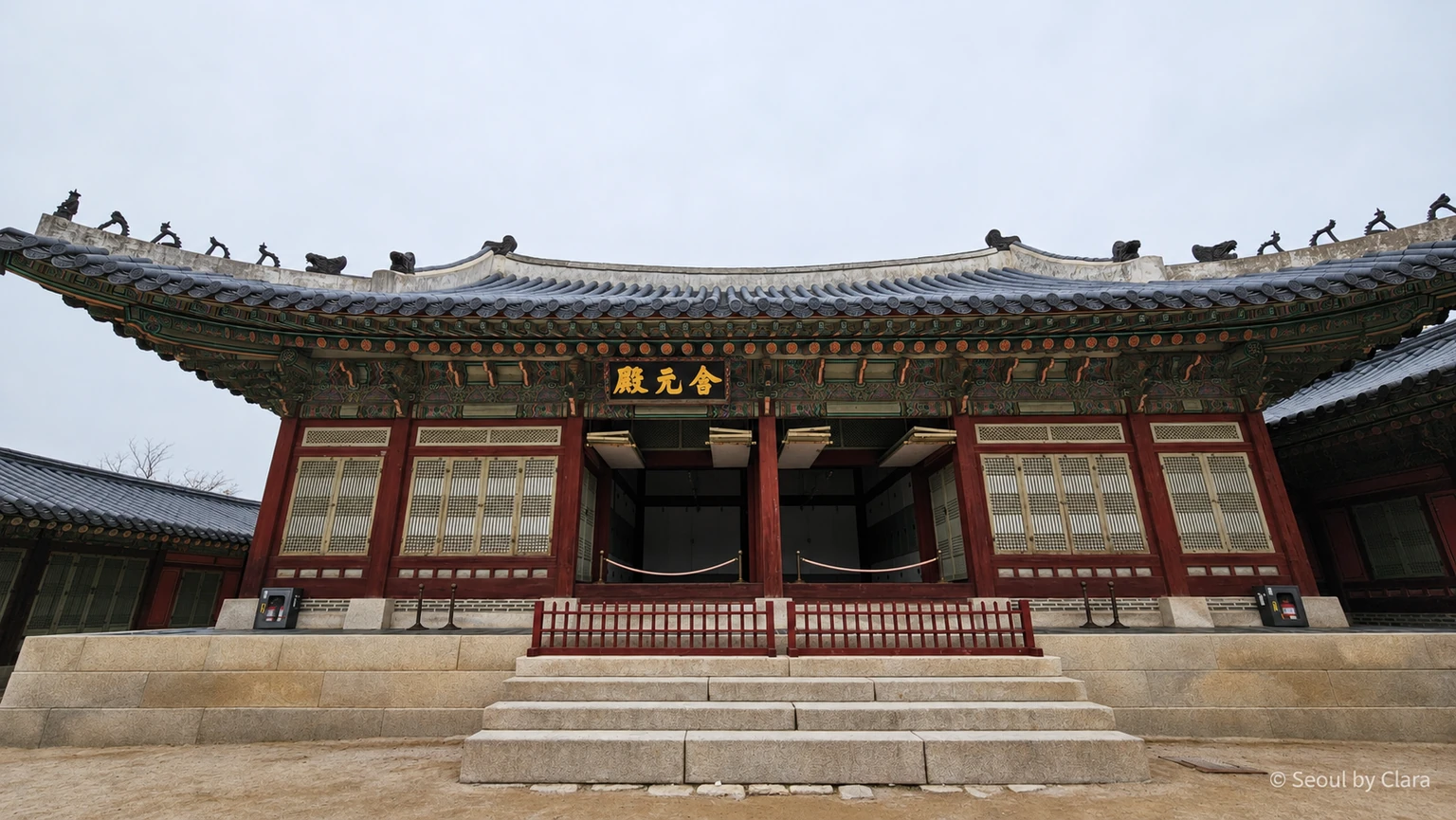
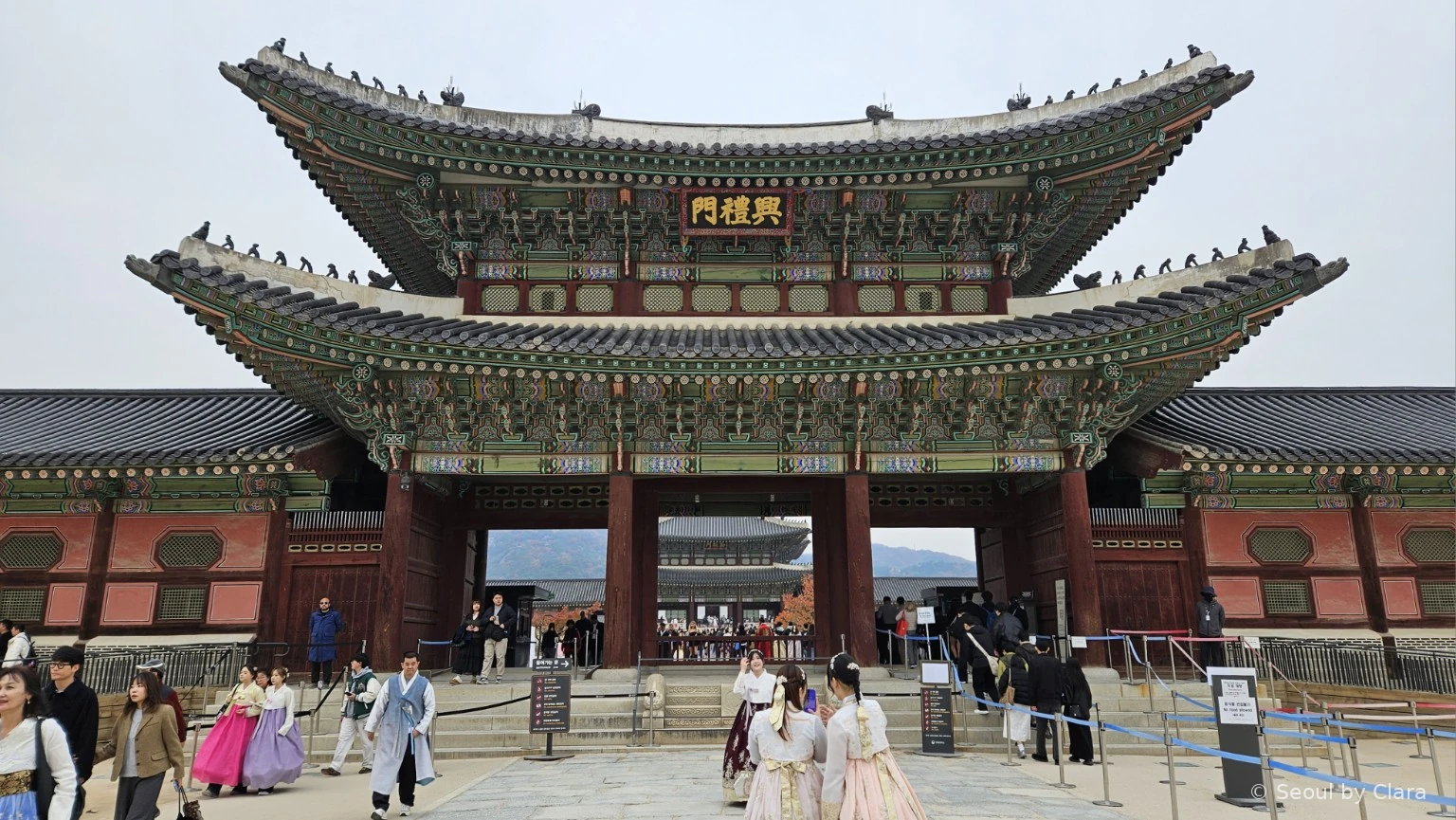
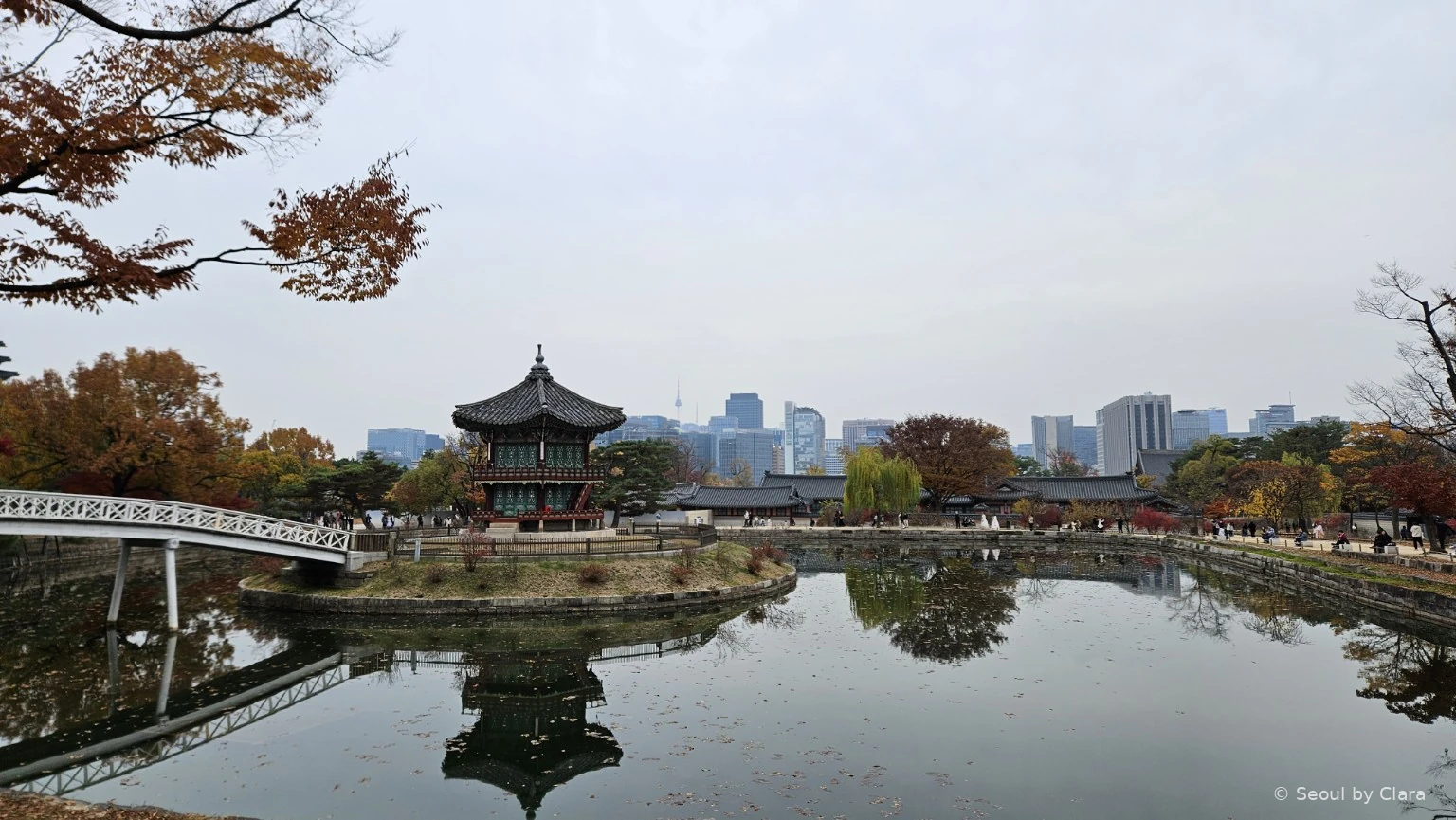
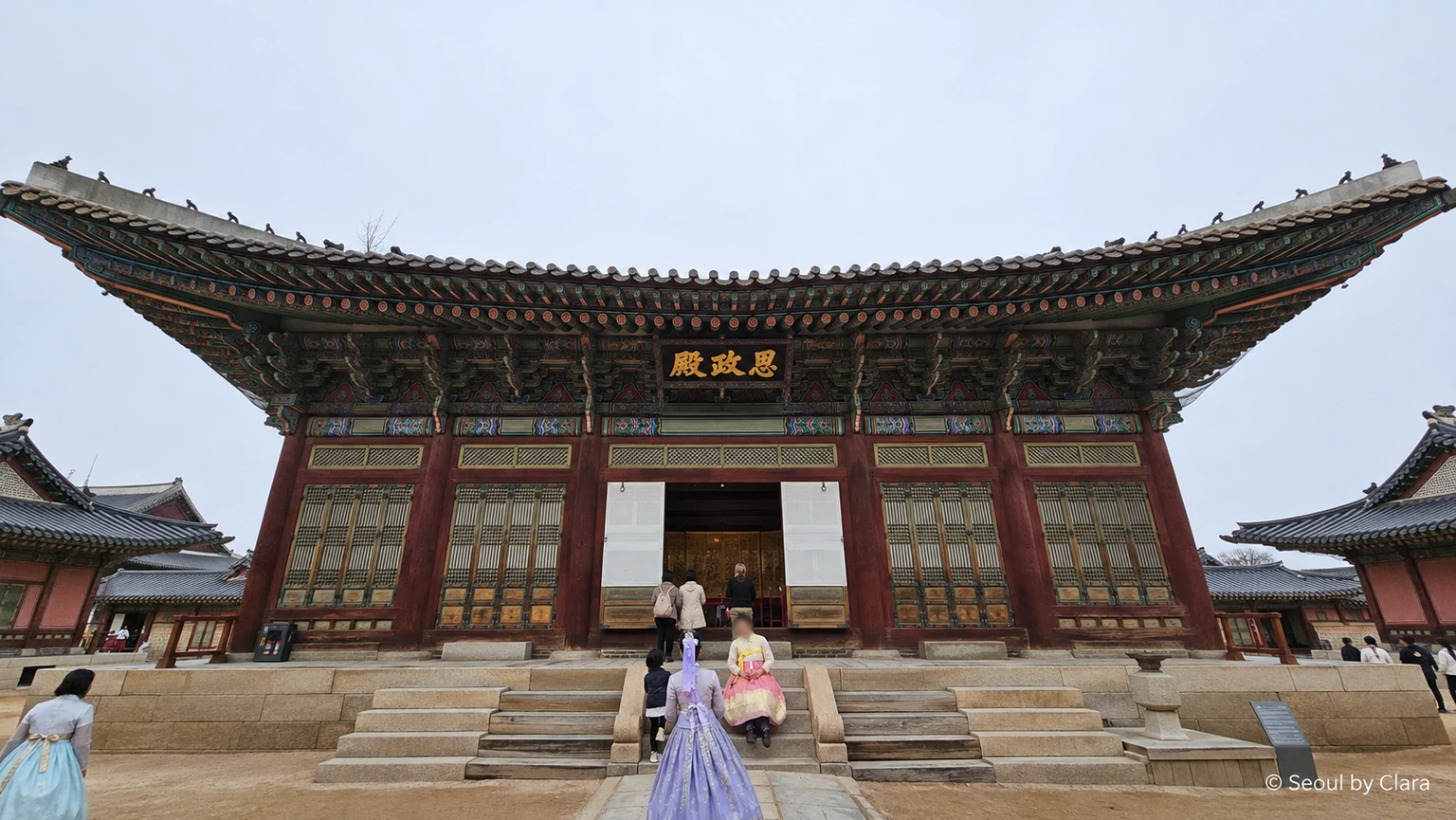
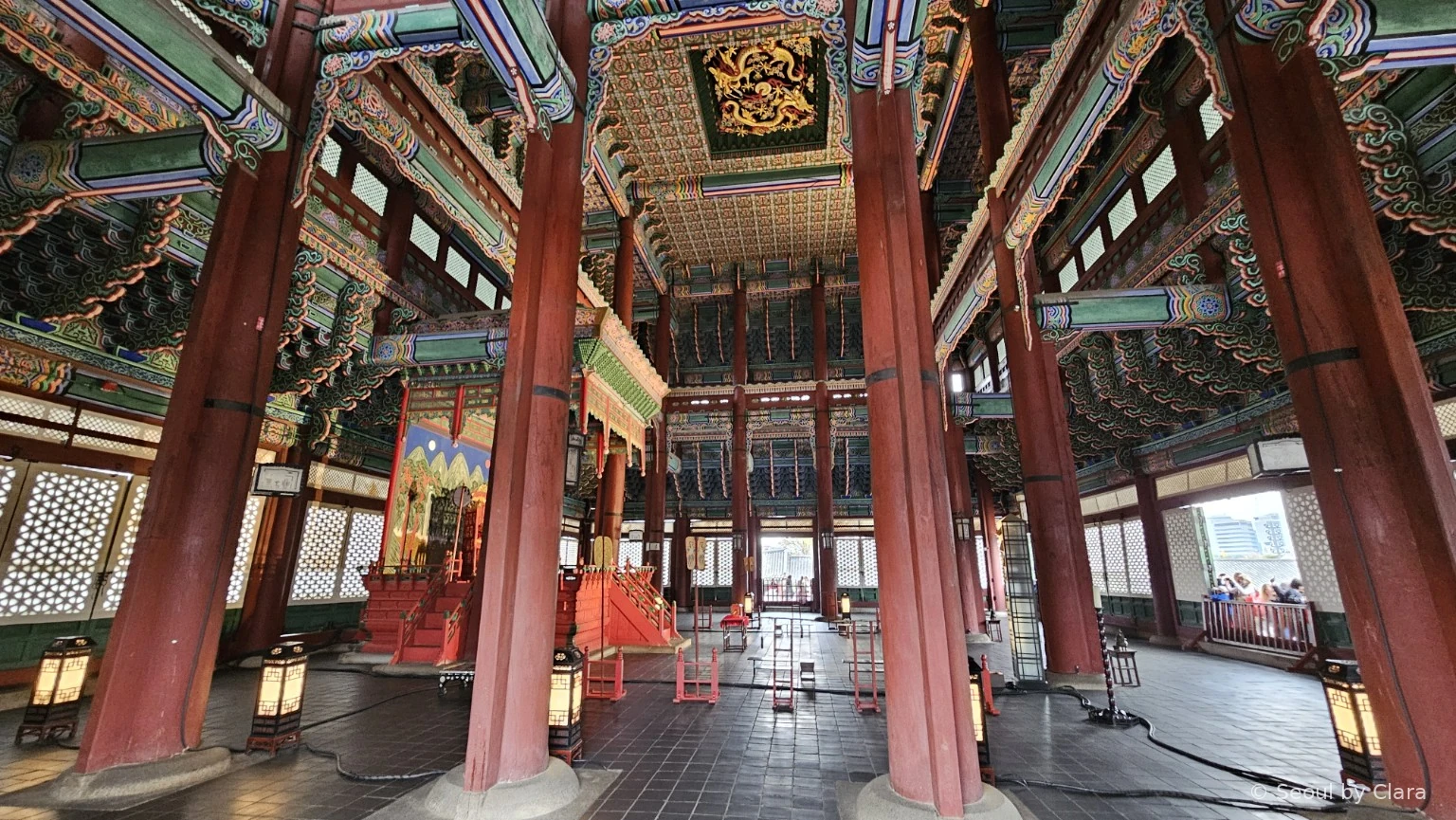
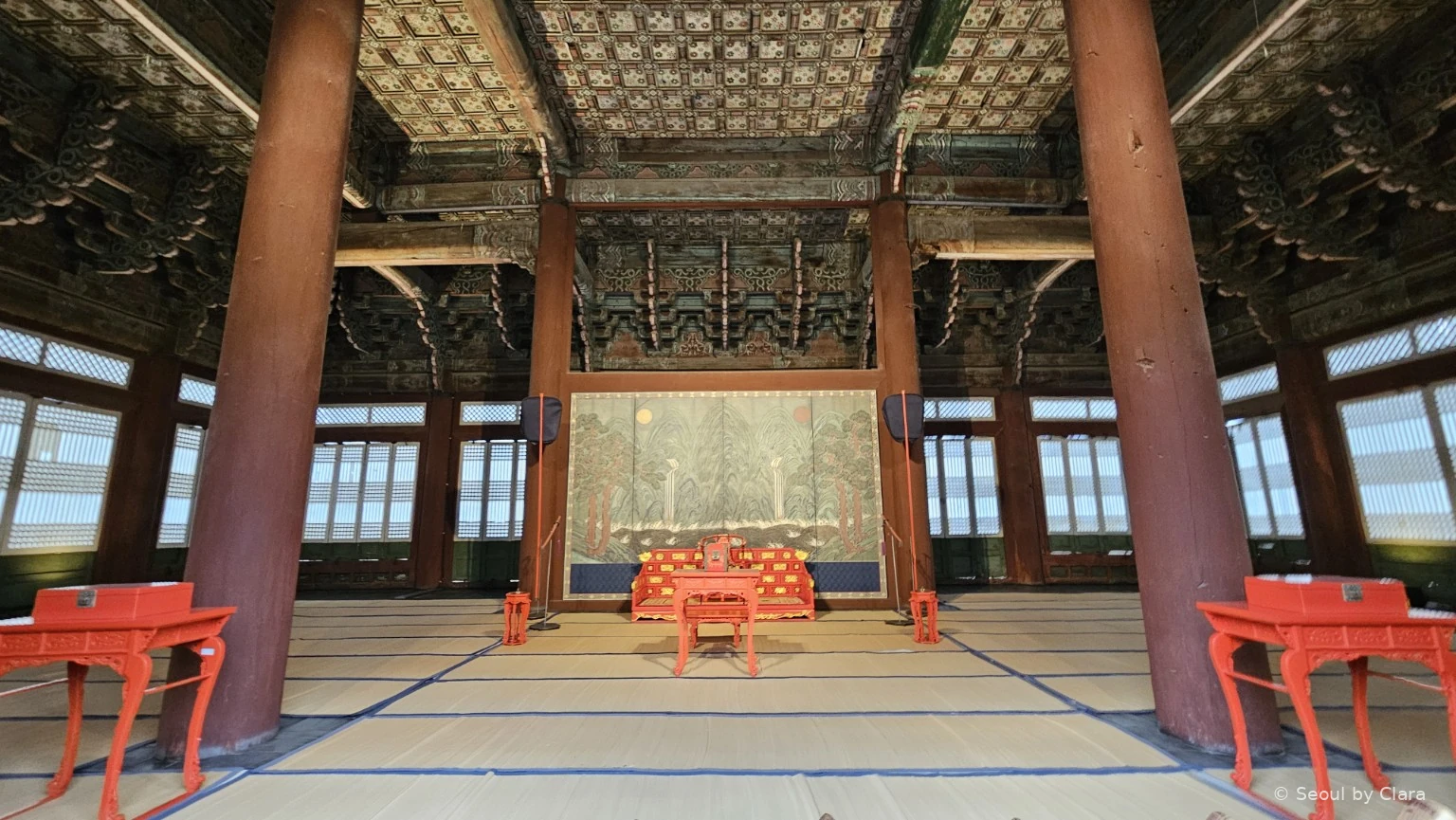
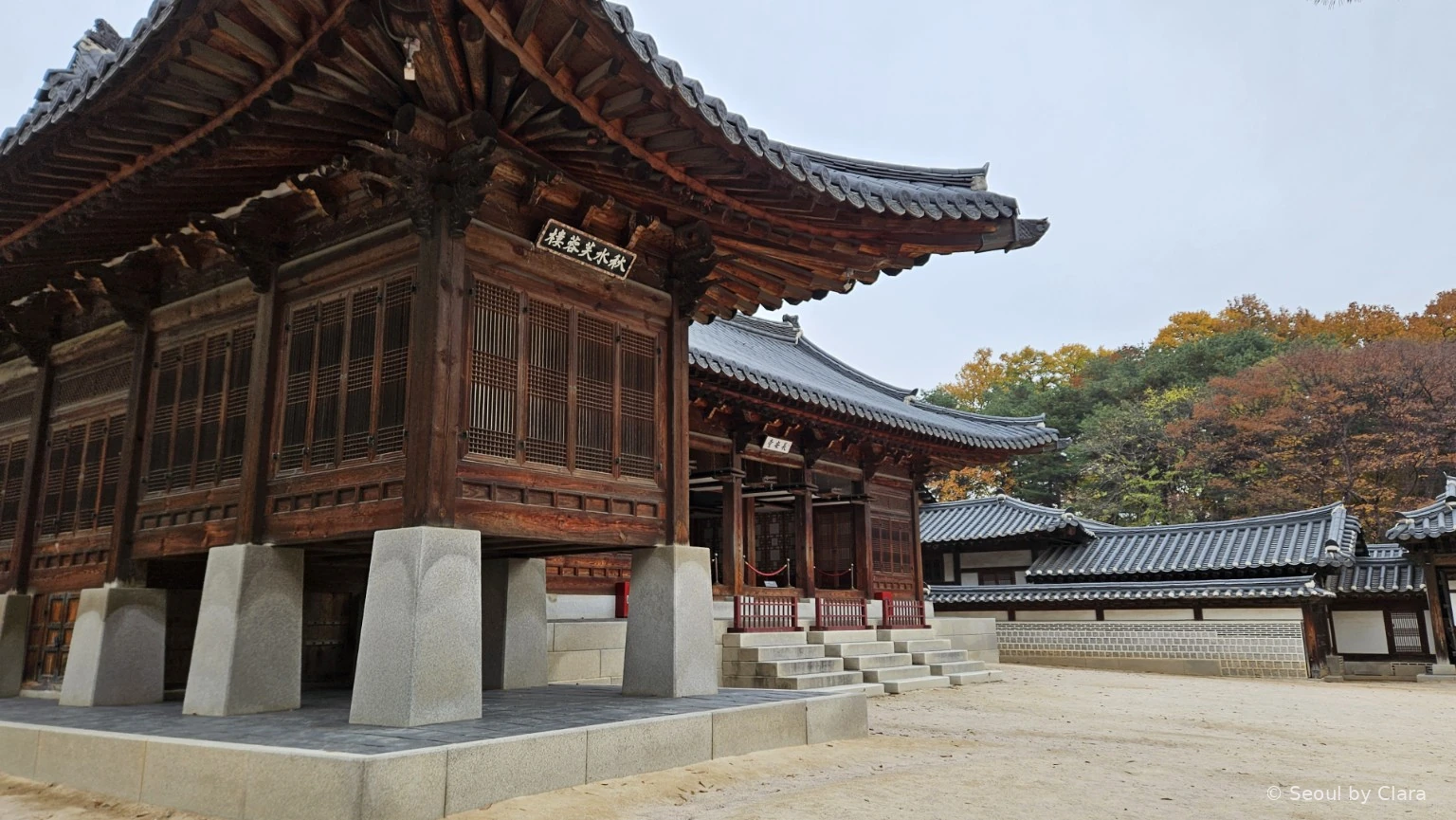
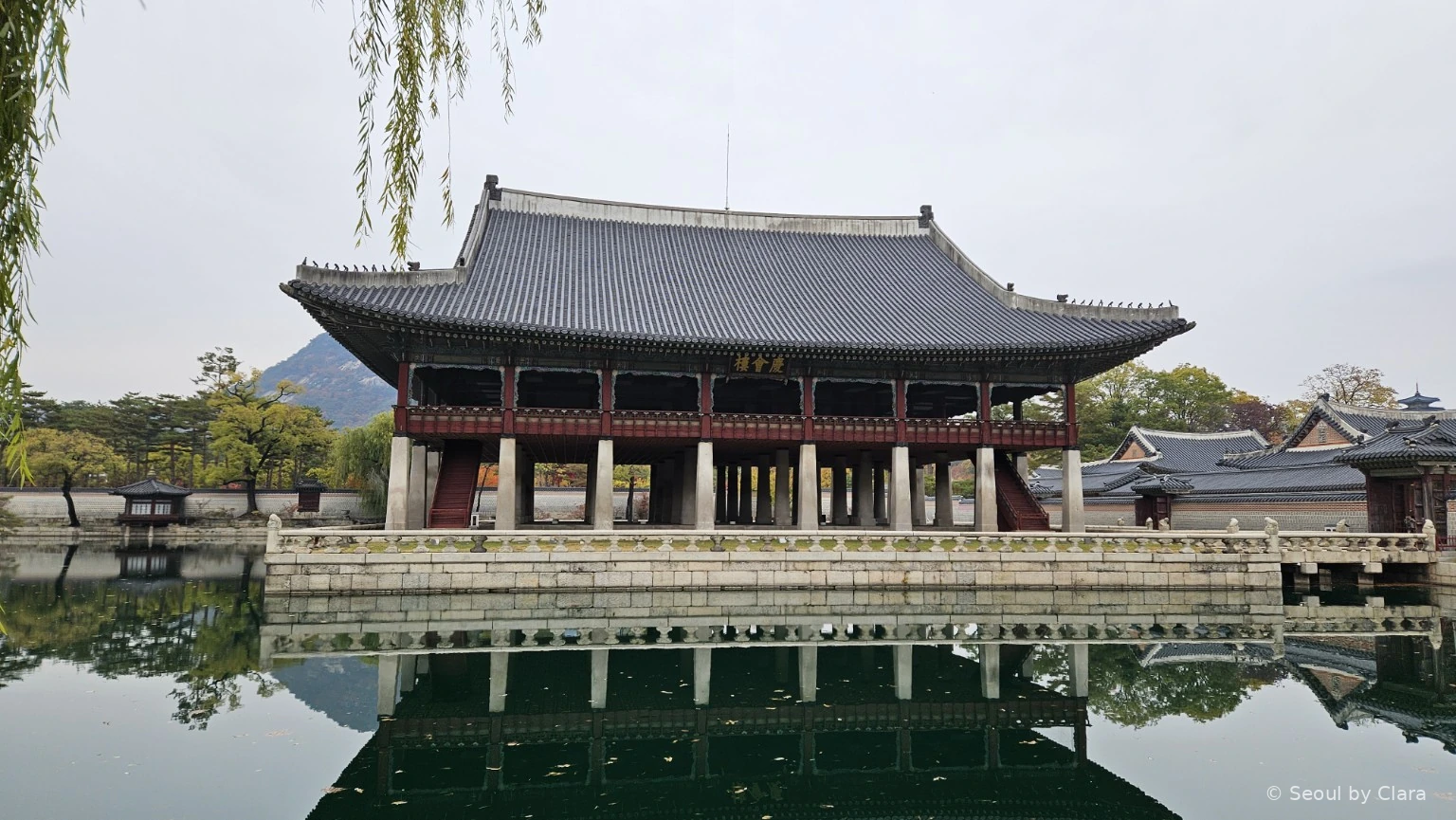
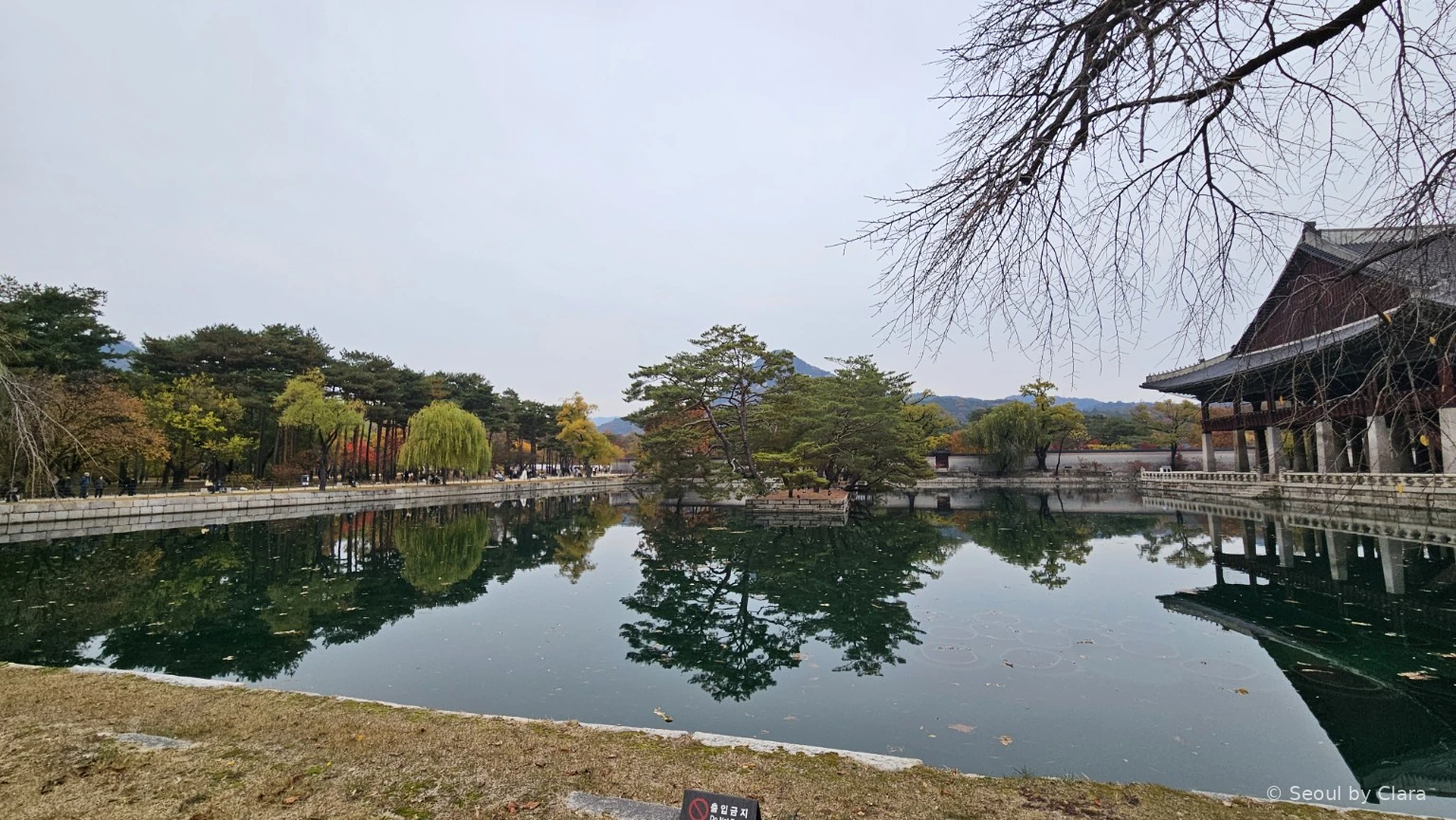
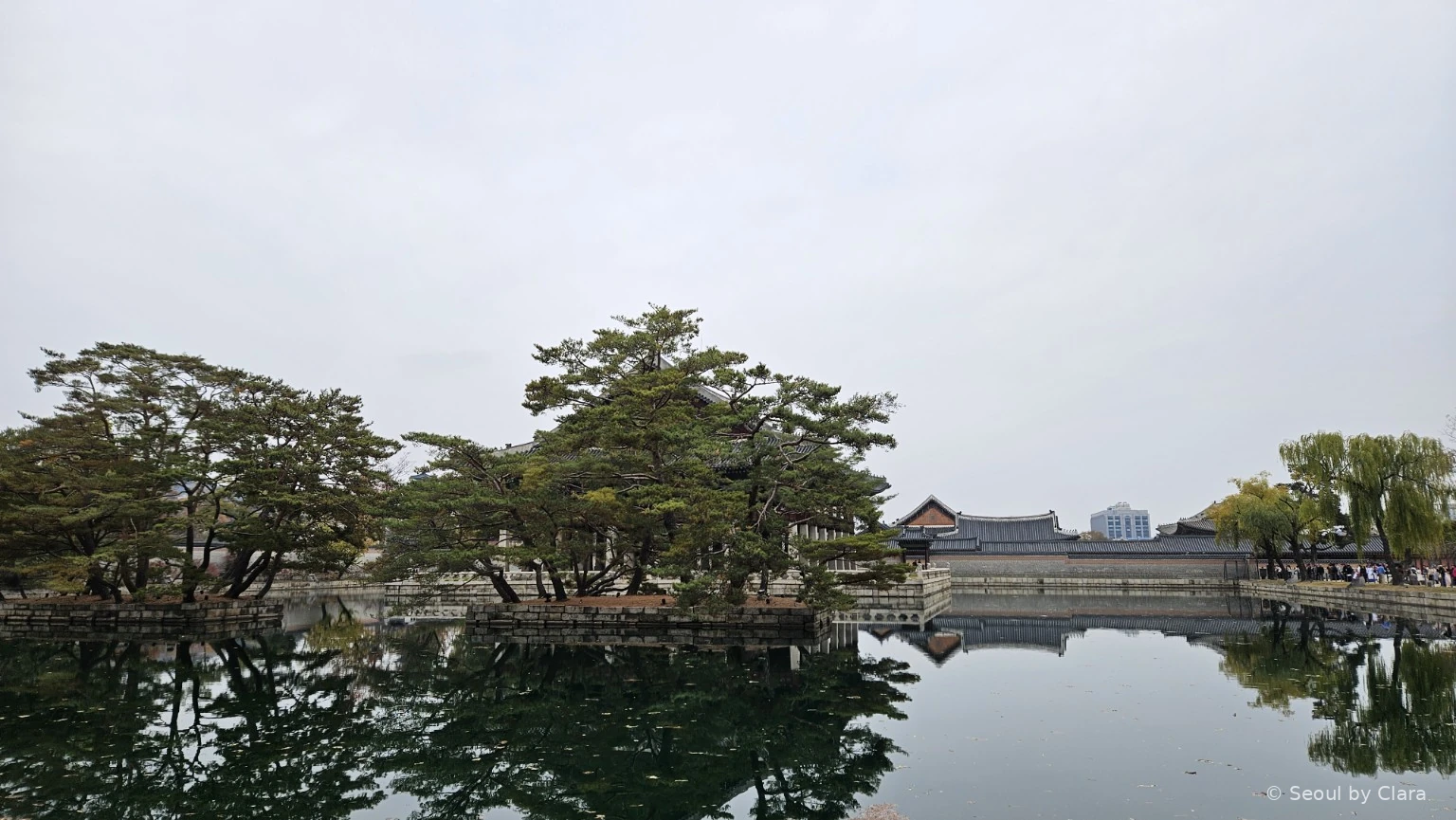
Gyeongbokgung was the main royal palace of the Joseon dynasty. Its southern entrance, Gwanghwamun, is flanked by stone Haechi figures. The palace grounds include Geunjeongjeon, the throne hall on a raised stone platform, and Gyeonghoeru, a pavilion set in a pond.
Clara's Note
Gyeongbokgung Palace is located right behind Gwanghwamun Square, and it's the main royal palace of the Joseon Dynasty. Of all the palaces I've introduced in Seoul by Clara, I think this is the one that really gives you the strongest sense of the grandeur and scale of Korea's royal history.
But before I talk about how beautiful it is, I want to tell you a little about its history. Because honestly, Gyeongbokgung has been through a lot.
The palace was first built in 1395, just a few years after King Taejo founded the Joseon Dynasty in 1392. As the dynasty's main palace, it was the center of royal life and government.
But in 1592, during the Japanese invasions of Korea, the palace was destroyed by fire. And what surprised me when I learned about its history was that it remained in ruins for more than 270 years.
Can you imagine that? The main palace of a dynasty, left unrebuilt for centuries.
It wasn't until 1867, under the direction of Heungseon Daewongun, that Gyeongbokgung was finally rebuilt on a grand scale.
But sadly, its difficult history didn't end there.
In 1895, Empress Myeongseong, the wife of King Gojong, was assassinated inside the palace by Japanese agents and their collaborators. It's one of the most tragic events in Korea's modern history. The following year, King Gojong fled to the Russian legation, and Gyeongbokgung effectively ceased to function as the main royal residence.
Then came the Japanese colonial period, when much of the palace was deliberately dismantled or damaged.
One thing I find especially painful is that the Japanese colonial government built its headquarters right in front of the palace's main buildings. The Government-General of Korea building was completed in 1926, standing where it obstructed the historic palace complex.
And perhaps surprisingly, that building remained there for decades even after Korea regained its independence in 1945. It wasn't until 1995 that demolition began, and the building was finally removed in 1997.
So when I think about Gyeongbokgung, I don't just think about a beautiful royal palace. I also think about everything it has survived.
Thankfully, extensive restoration work has brought back many parts of the palace, and restoration efforts have continued over the years.
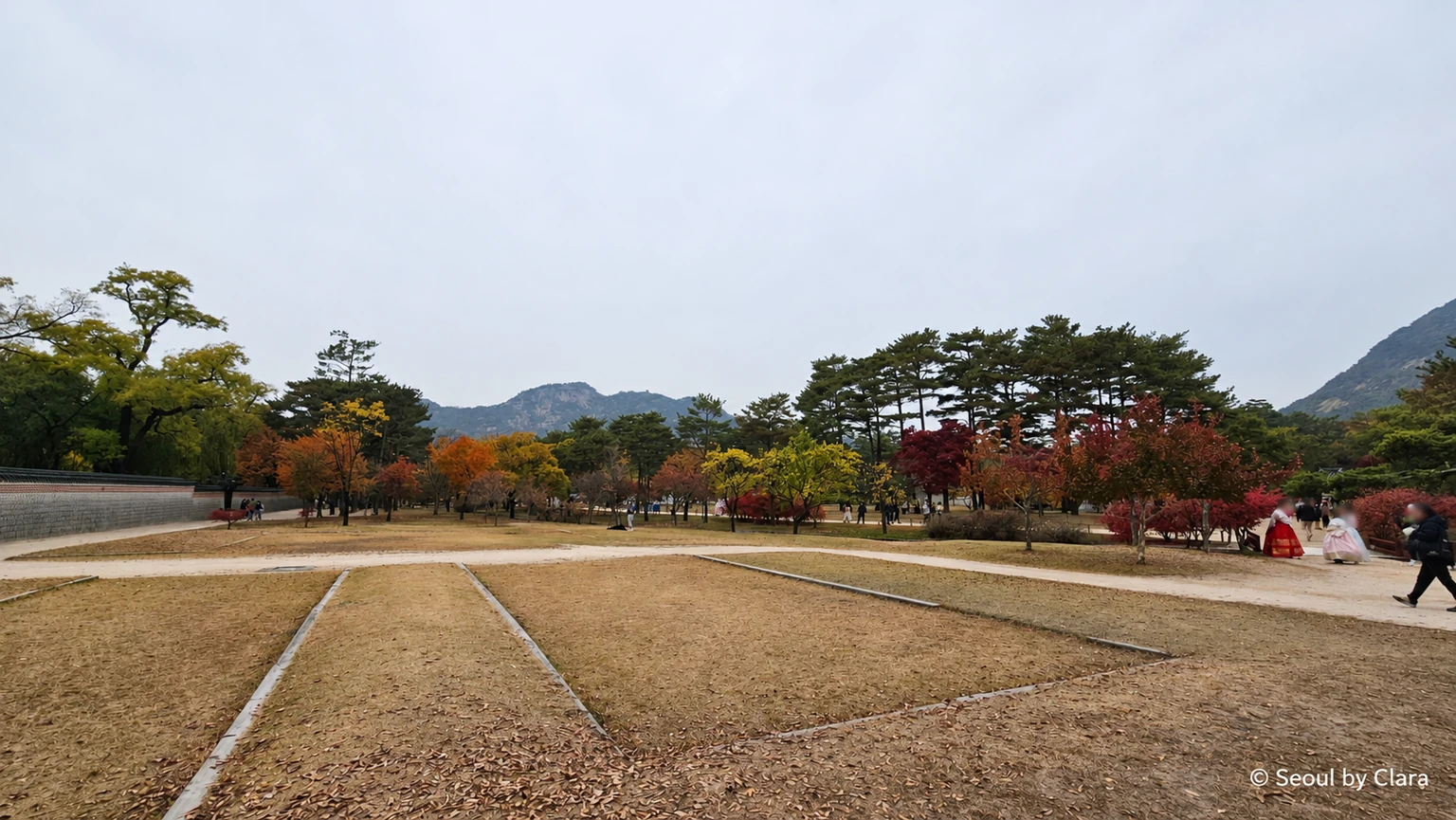
And despite all that history, what really struck me when visiting Gyeongbokgung was just how grand and spacious it feels.
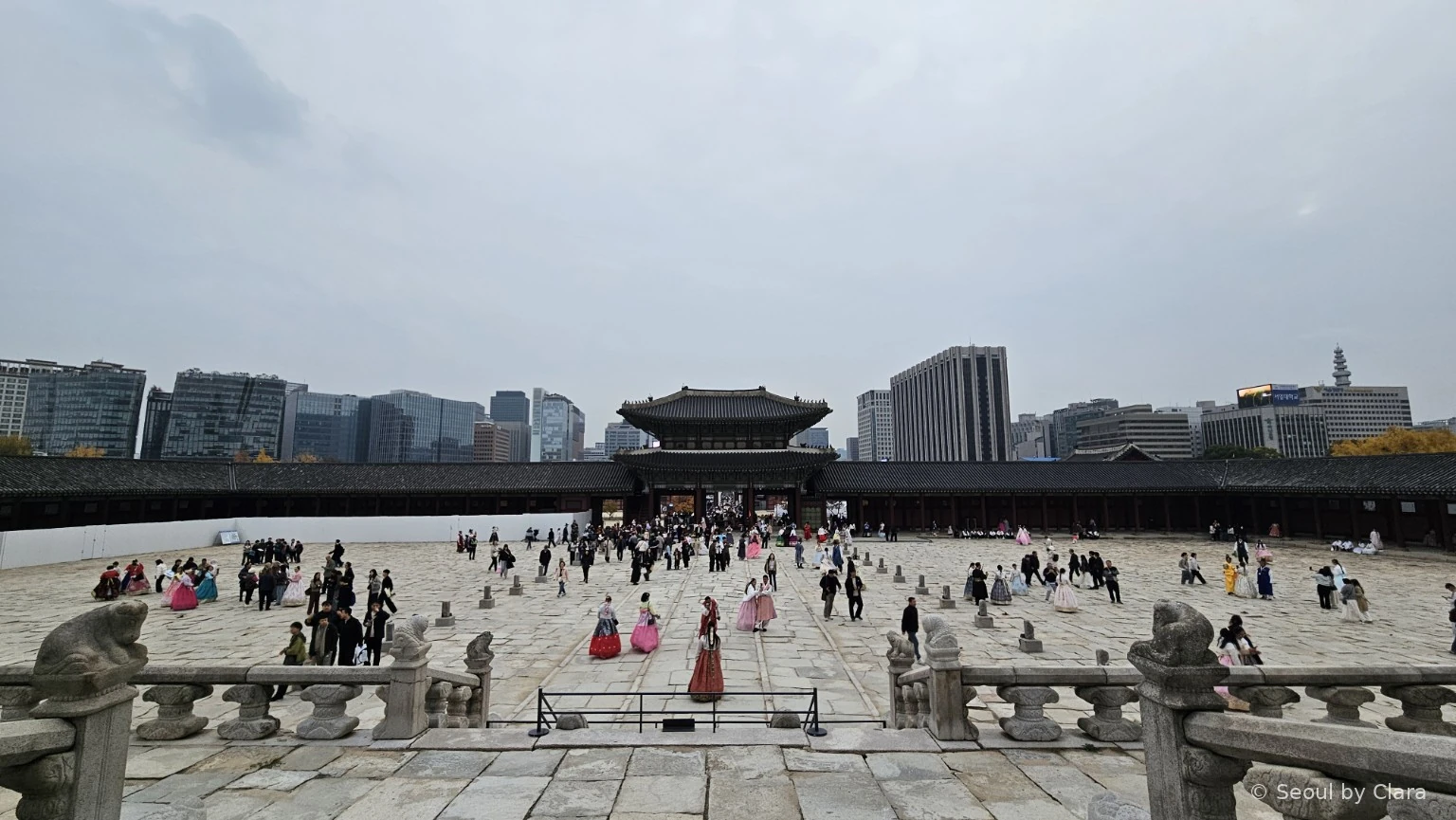
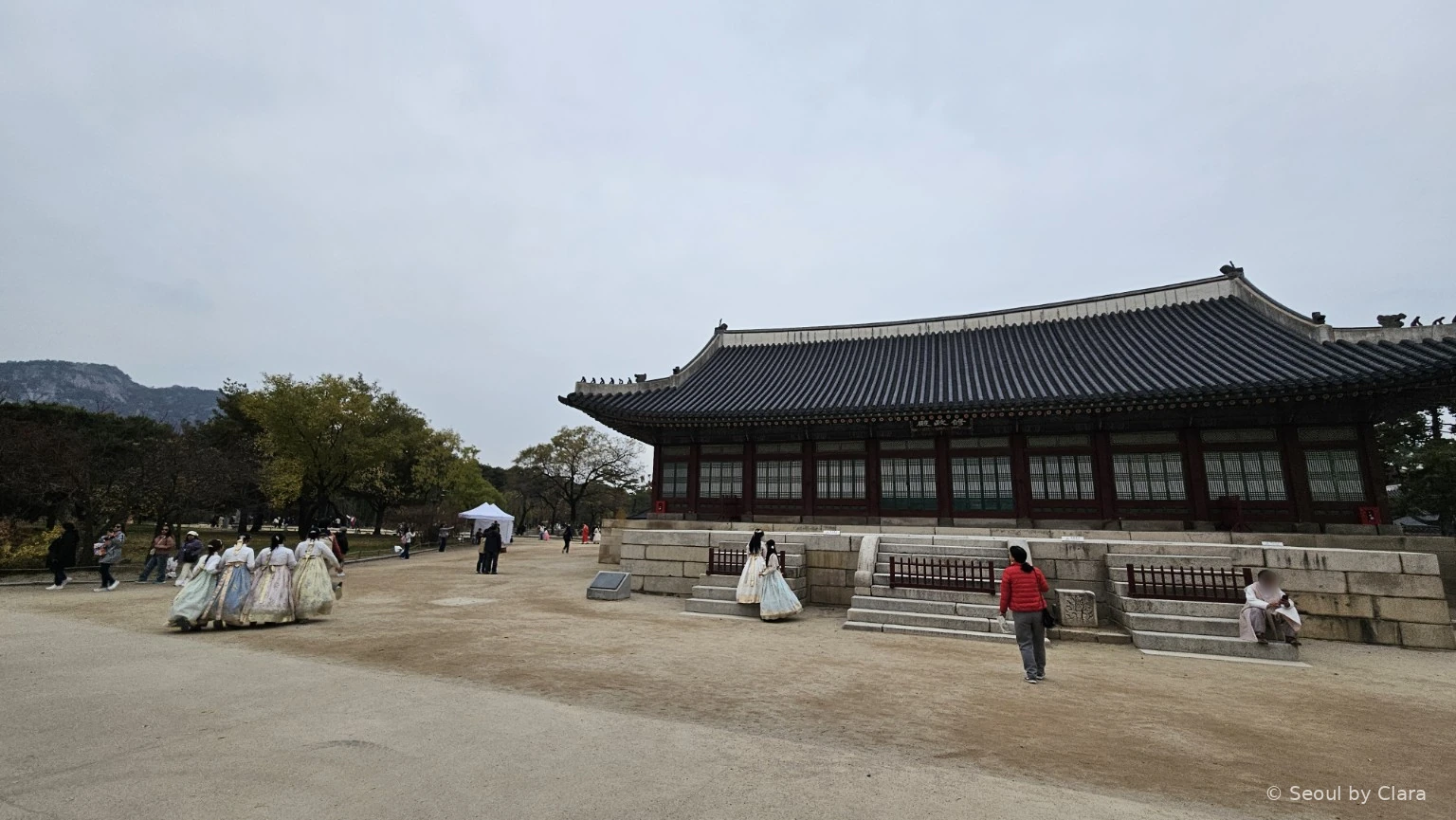
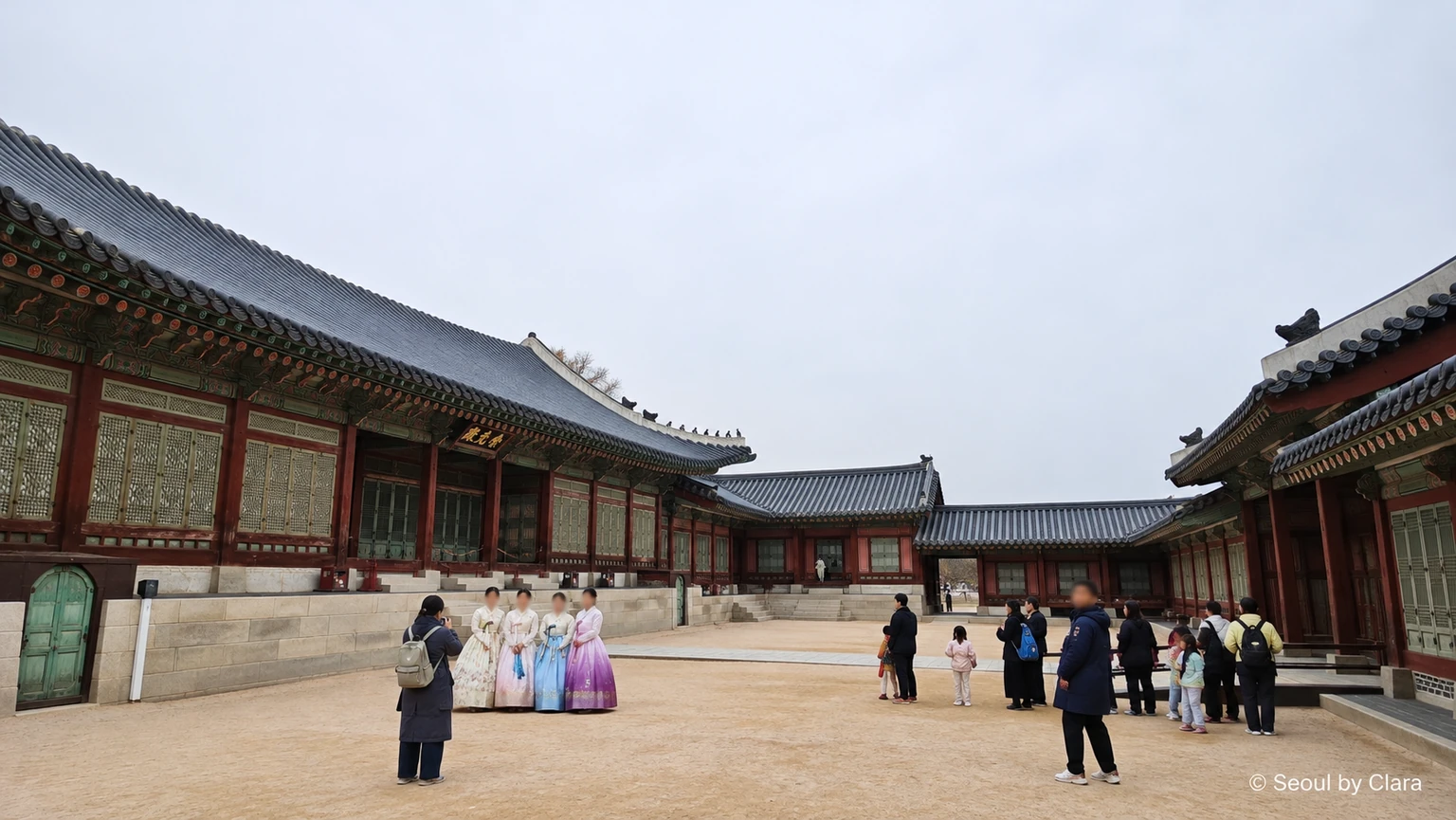
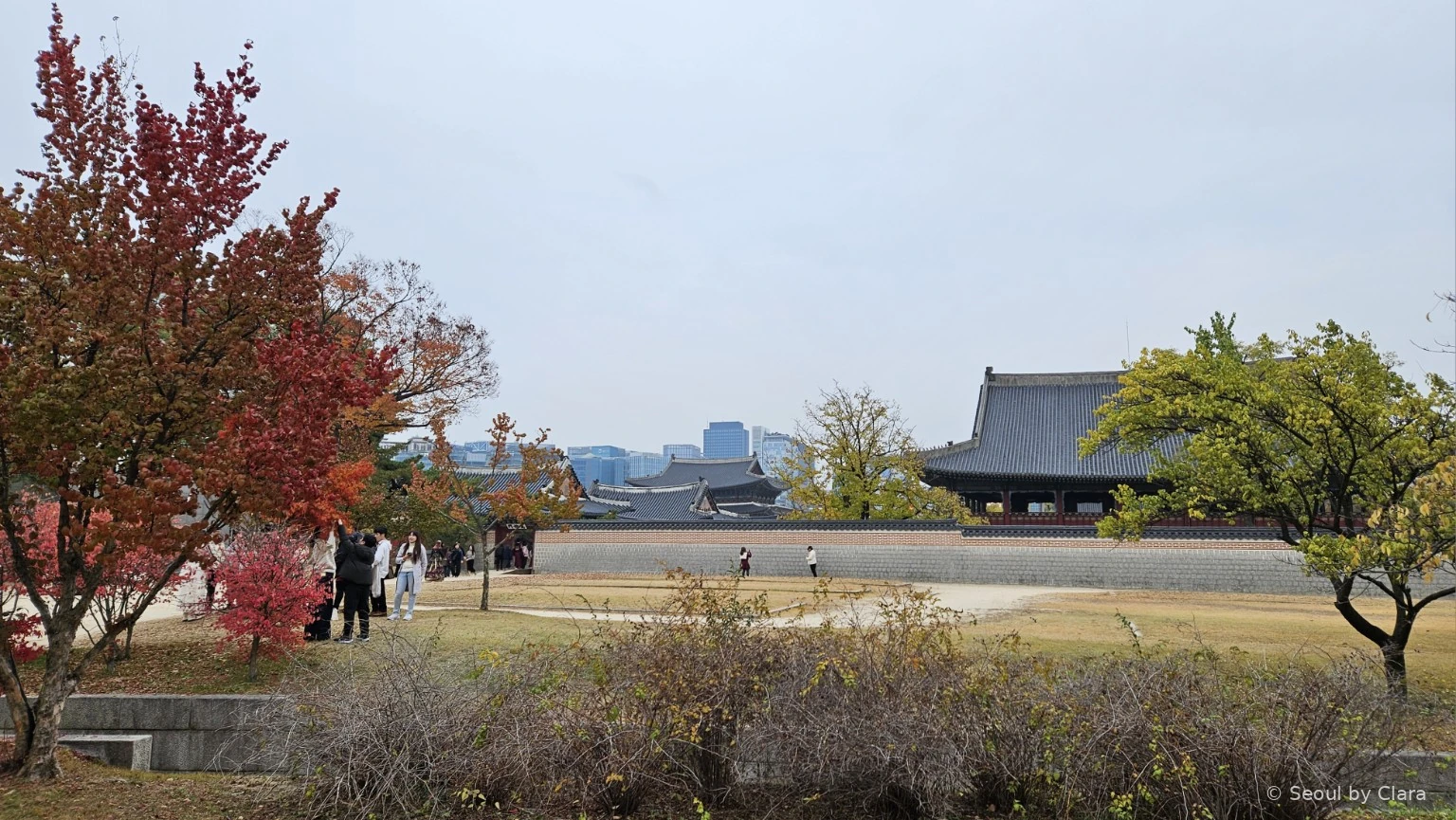
Compared to other palaces in Seoul, Gyeongbokgung has an especially impressive sense of scale. The wide courtyards, magnificent gates, and large royal buildings give the whole place a feeling of dignity and authority.
And then there are the mountains.
With Bugaksan rising behind the palace and the surrounding mountain landscape of Seoul, the entire setting feels even more impressive. I think the combination of the grand architecture, the open spaces, and the mountains creates an atmosphere that's difficult to describe until you're actually standing there.
There's something about this place that makes you feel the presence of history.
Even knowing how much of the original palace was lost, I still find it amazing that we can walk through these grounds today and experience at least part of what was once the heart of the Joseon Dynasty.
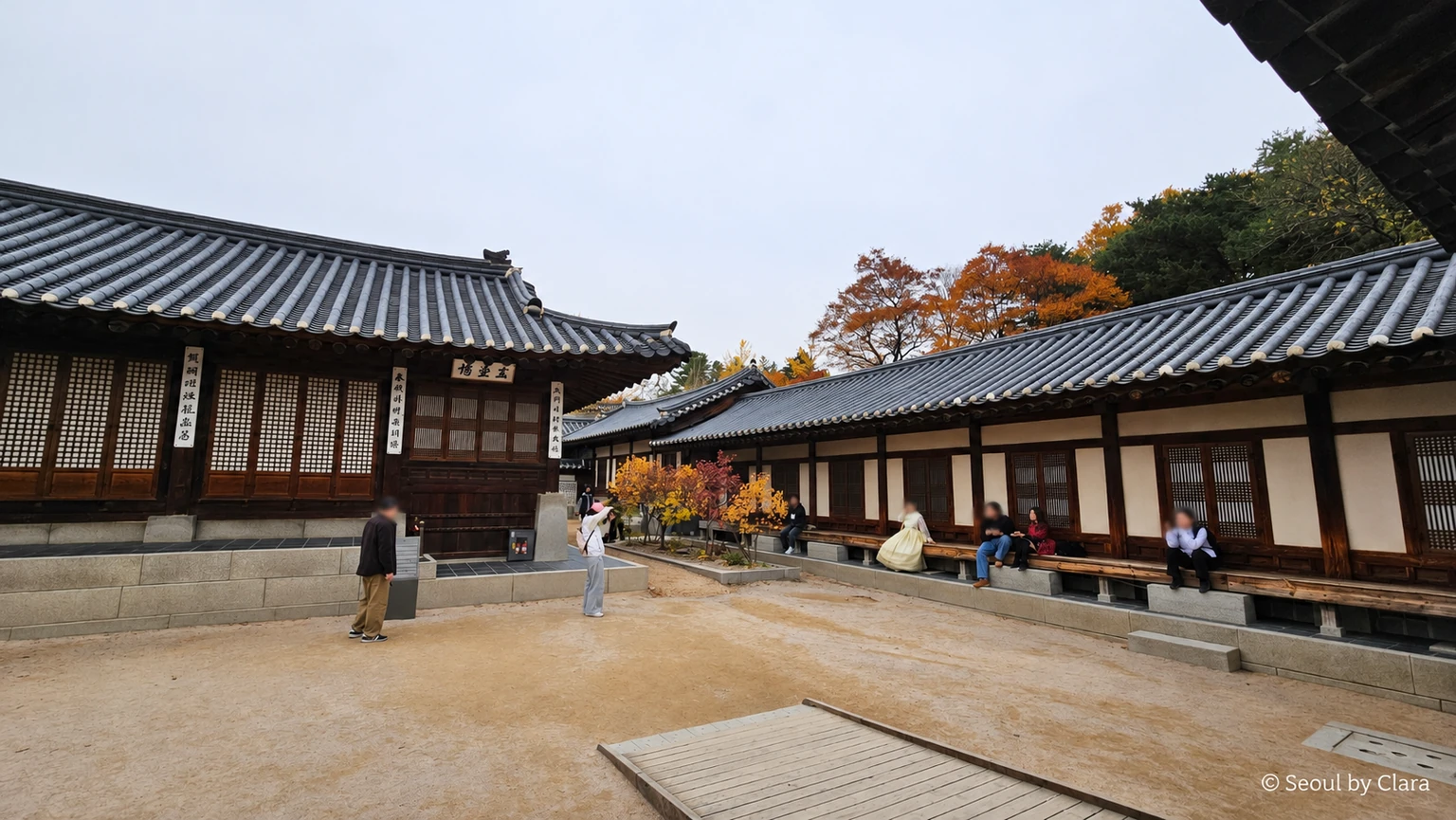
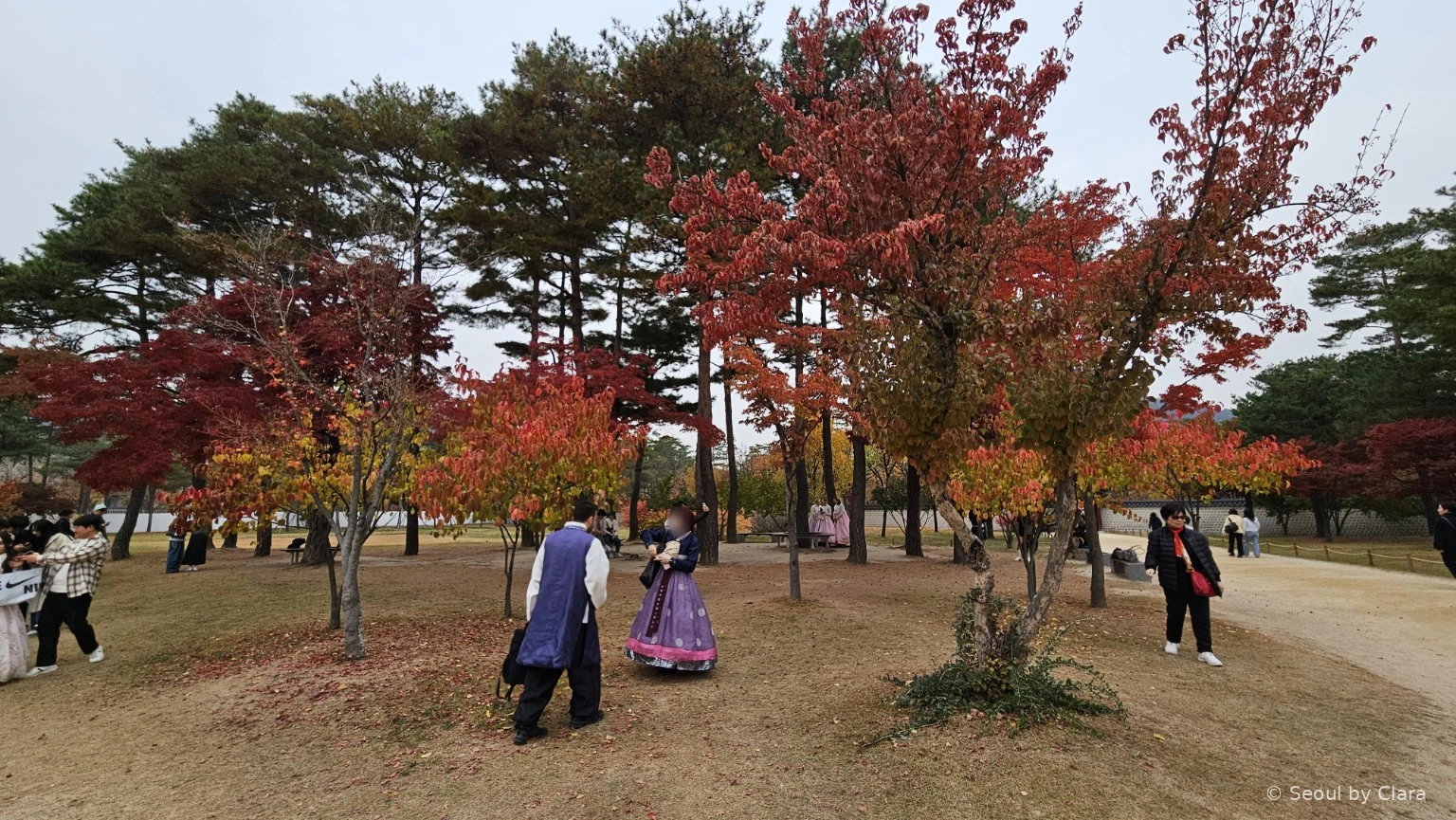
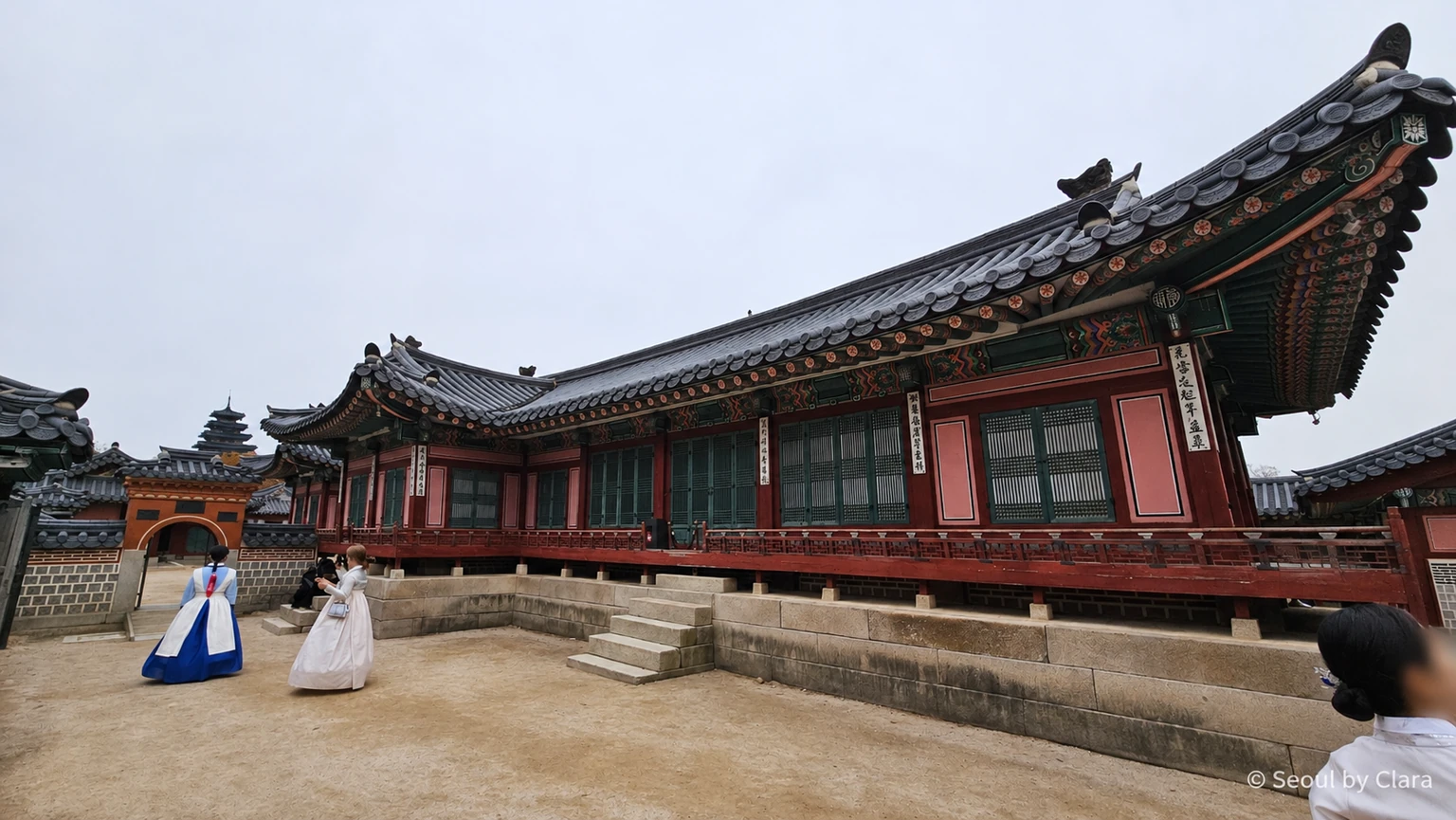
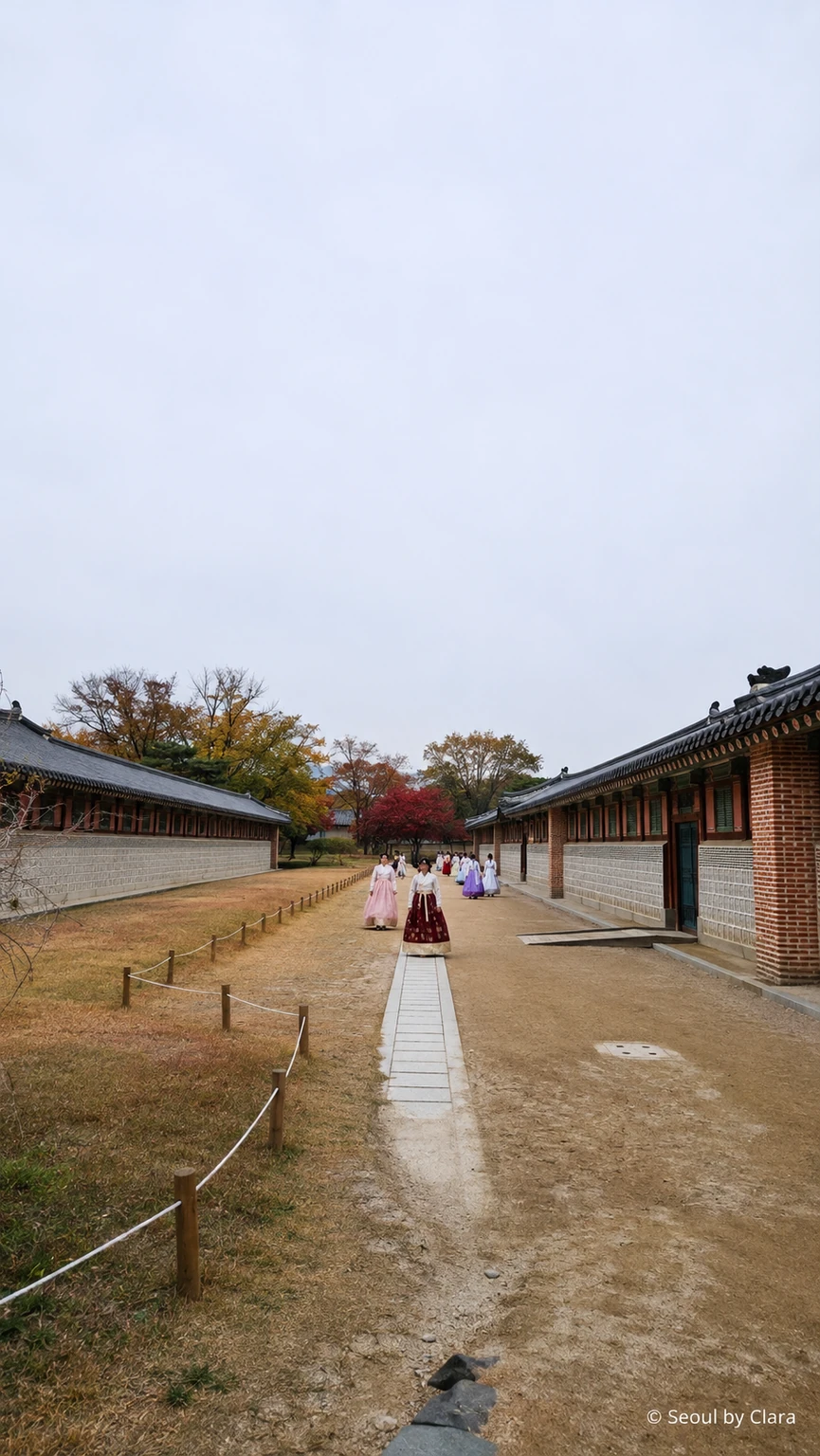
And here's something else I really love seeing at Gyeongbokgung: all the visitors walking around in hanbok!
If you wear a traditional Korean hanbok, or a modern version that meets the palace's dress guidelines, you can enter for free. That's probably one reason you'll see so many visitors, especially international tourists, dressed in beautiful, colorful hanbok.
Some wear more traditional styles, while others choose modern or fusion-inspired designs. Either way, I think seeing people walking around the palace in hanbok adds something lovely to the atmosphere. It makes the grounds feel a little more connected to the past.
And if you're visiting Korea, I think renting a hanbok and exploring Gyeongbokgung could be a really memorable experience.
Of course, Gyeongbokgung has a painful history, and I don't think that should ever be forgotten. But I also hope you'll take a moment to appreciate the palace itself: the magnificent buildings, the vast courtyards, the mountains behind them, and the sense of grandeur that still remains.
For me, that's what makes Gyeongbokgung so special. It's a place where you can feel both the beauty and the weight of Korean history.
If you're visiting Seoul for the first time, this is definitely one of the places I hope you'll experience for yourself.
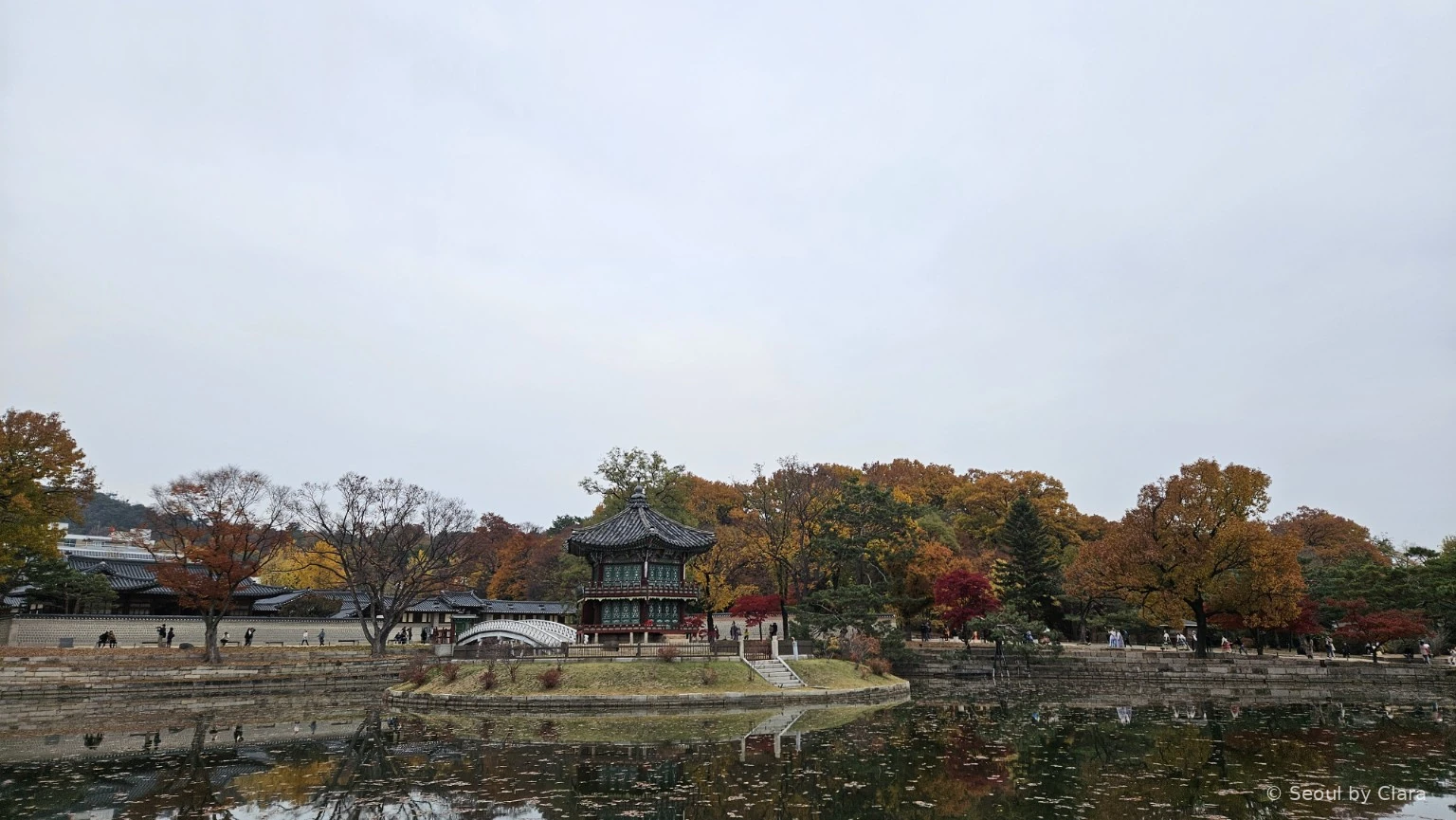
Nearby
- Clothing, household objects, and outdoor displays bring Korean everyday life into focus beside the grand architecture of Gyeongbokgung.Photo coming soon
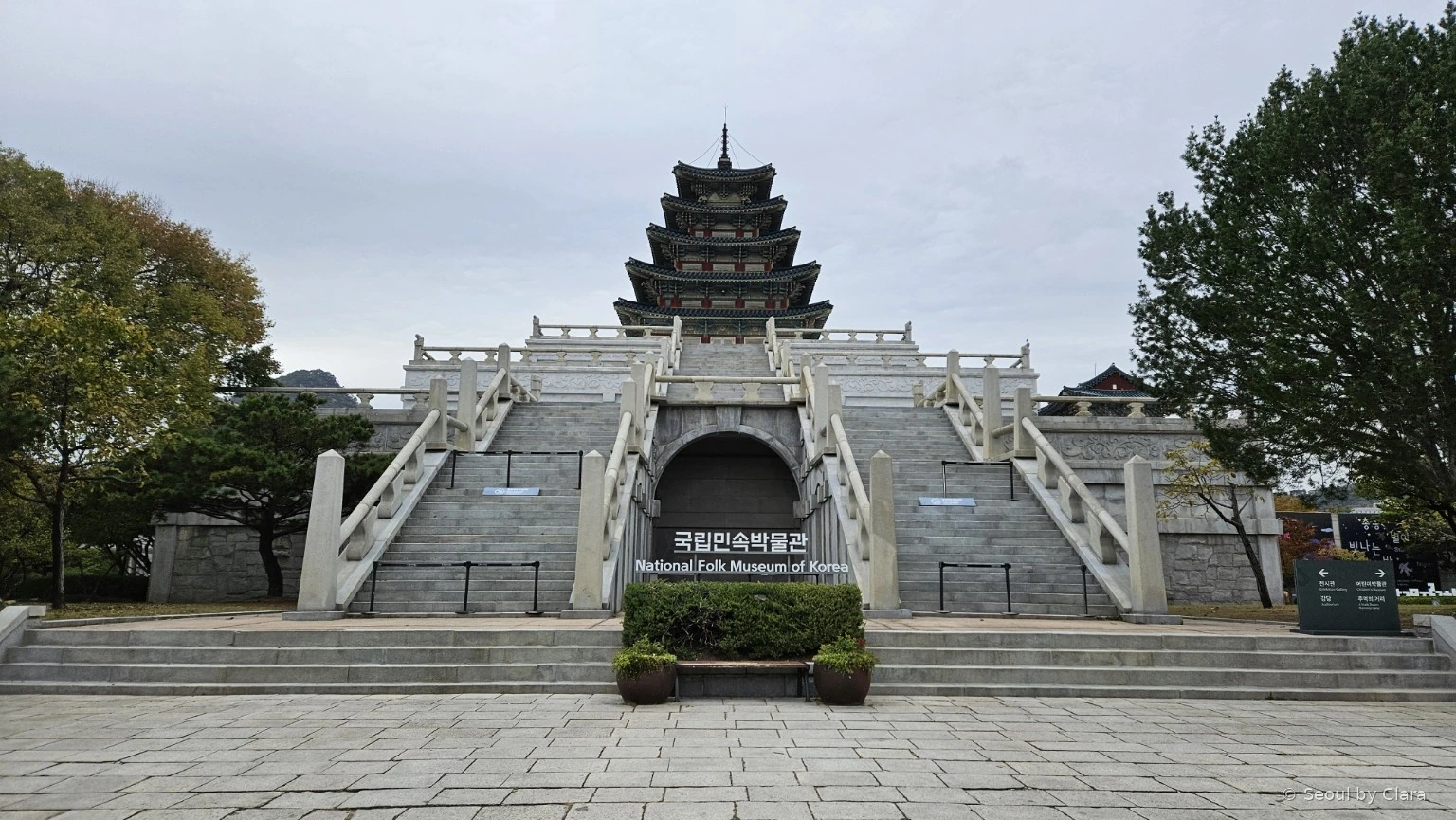
National Folk Museum of Korea
- Modern and contemporary art finds a home in historic Jongno, with the museum sitting near Samcheong-dong and Gyeongbokgung Palace.Photo coming soon
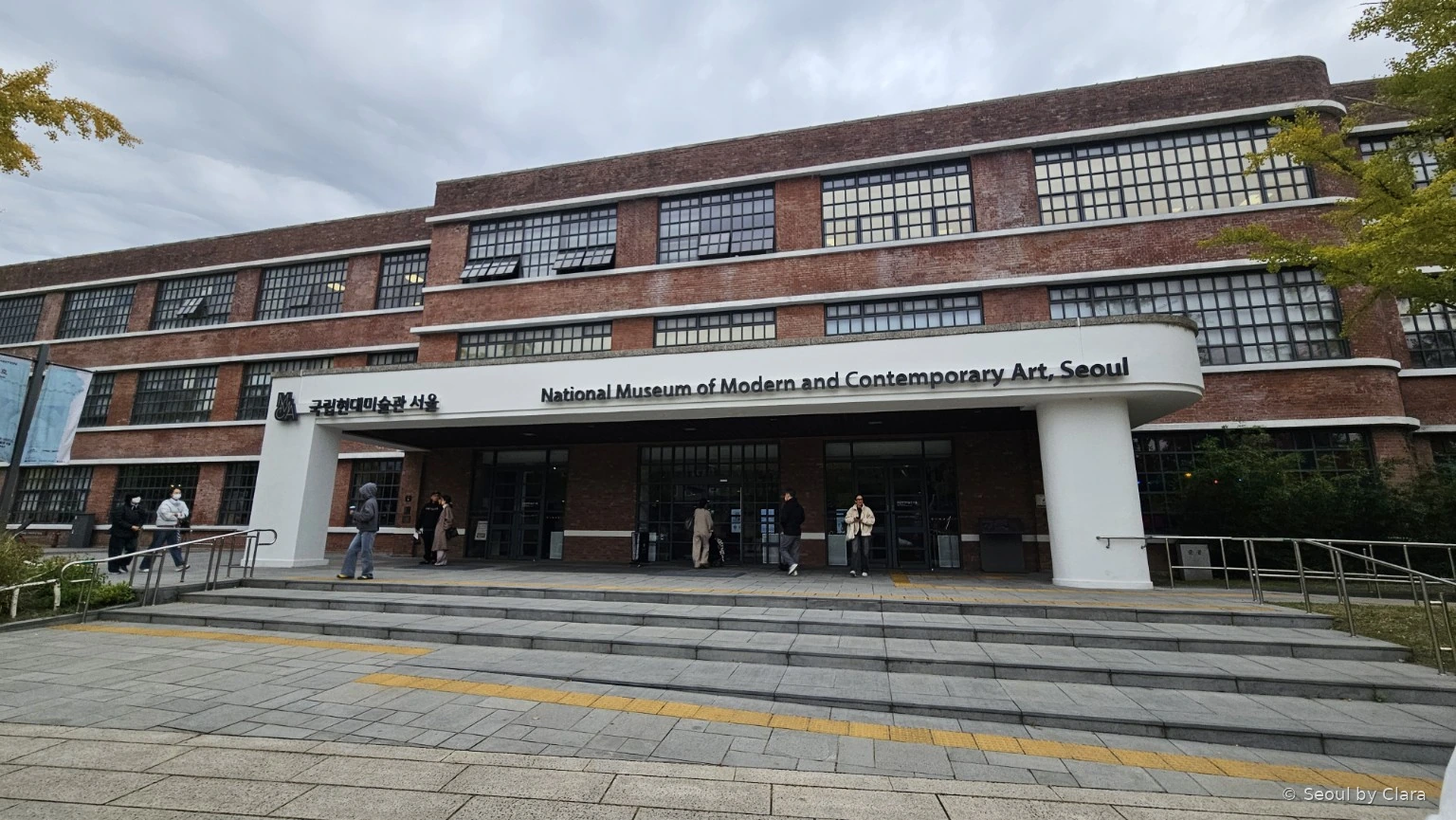
MMCA Seoul
- Royal seals, ceremonial clothing, and objects from the Joseon court.Photo coming soon
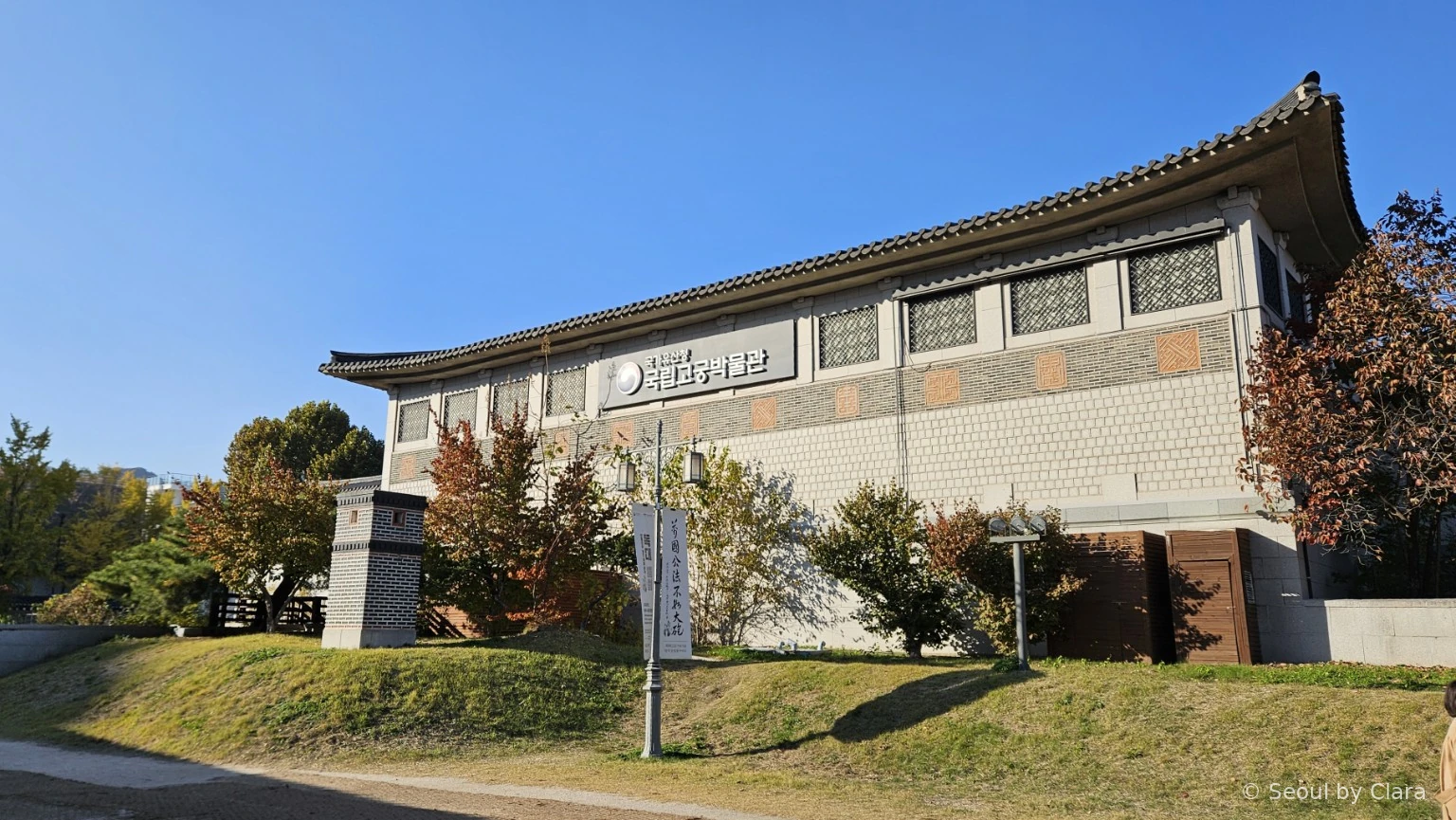
National Palace Museum of Korea