National Museum of Korean Contemporary History
Overview
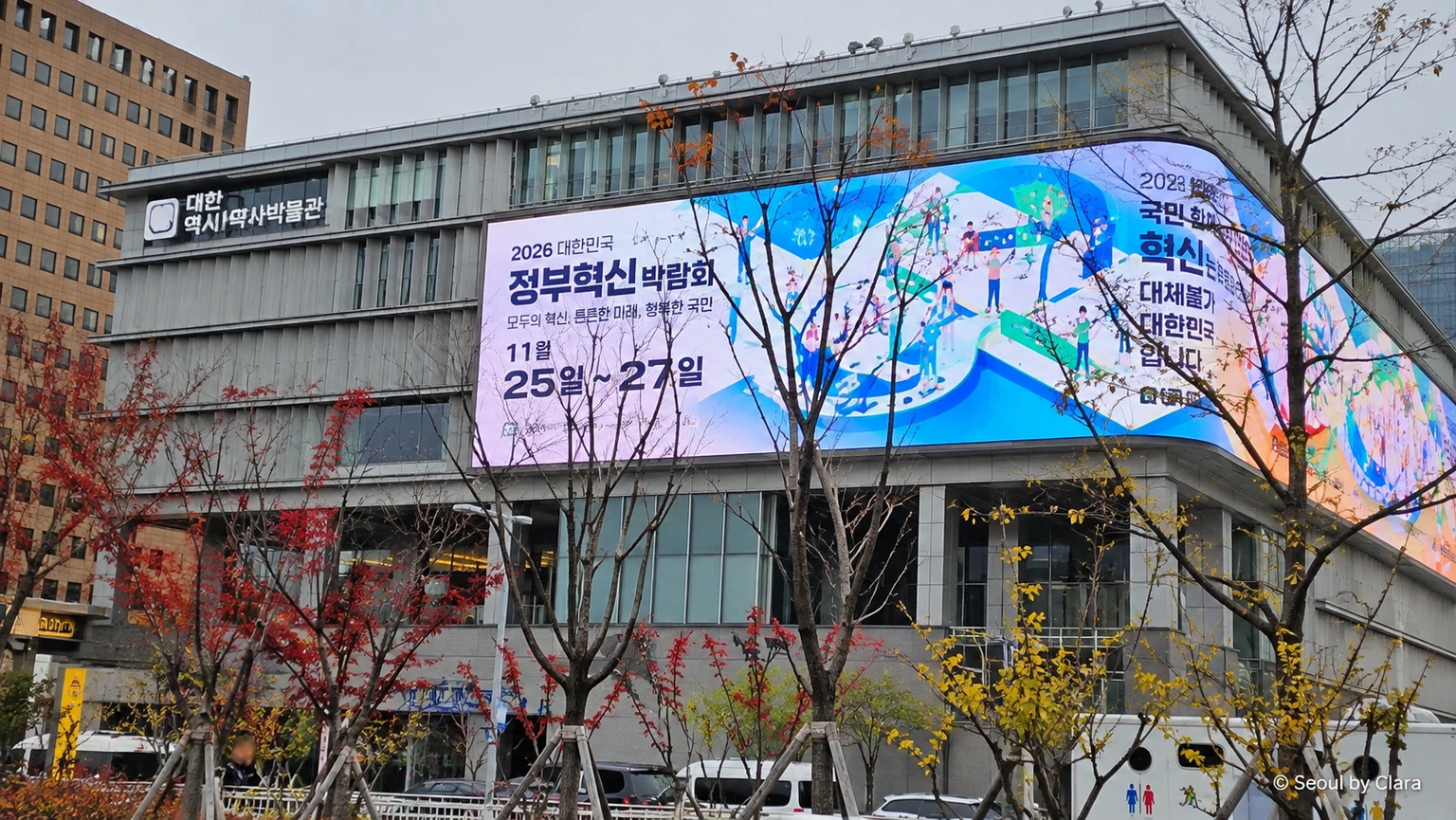
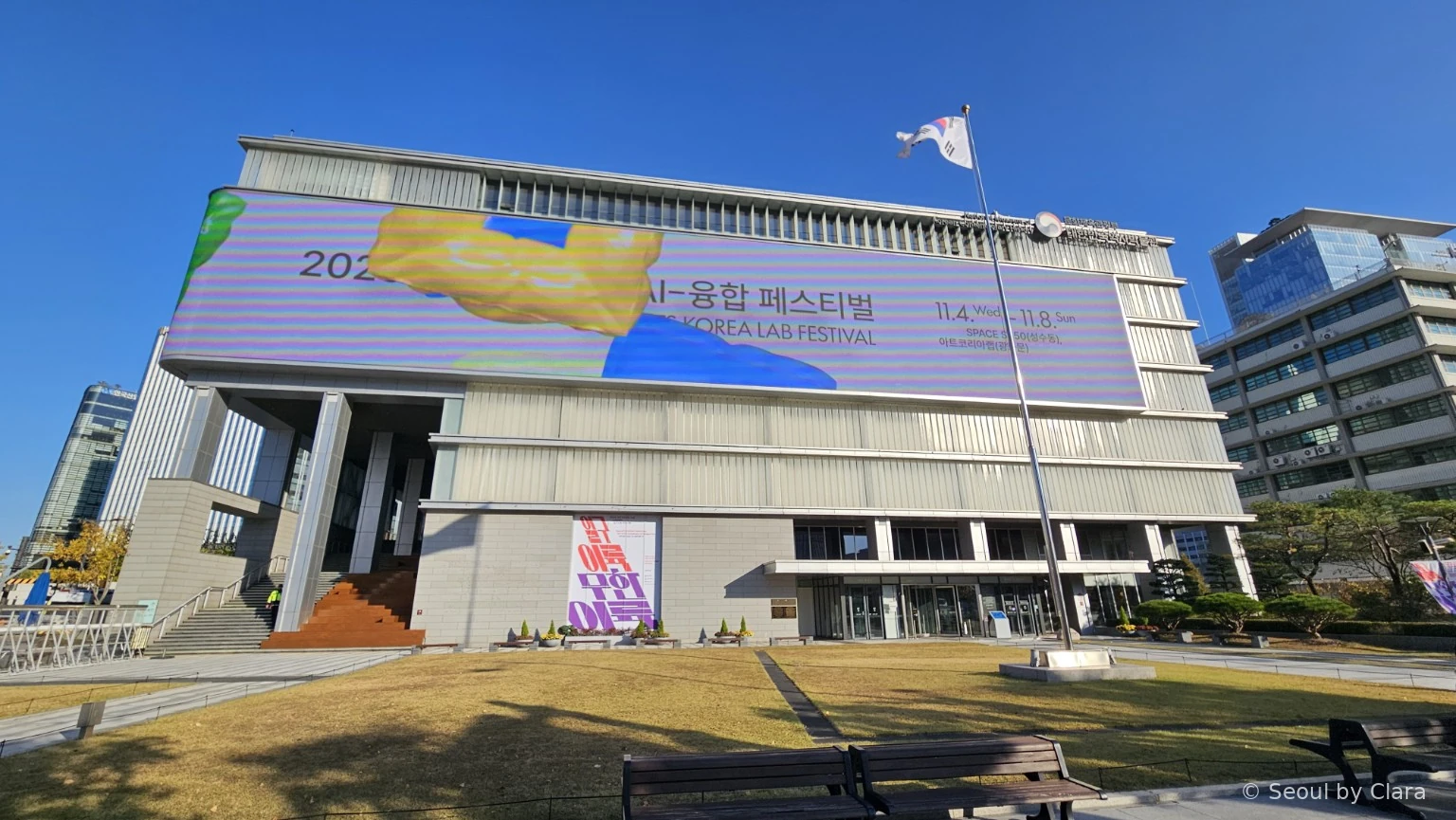
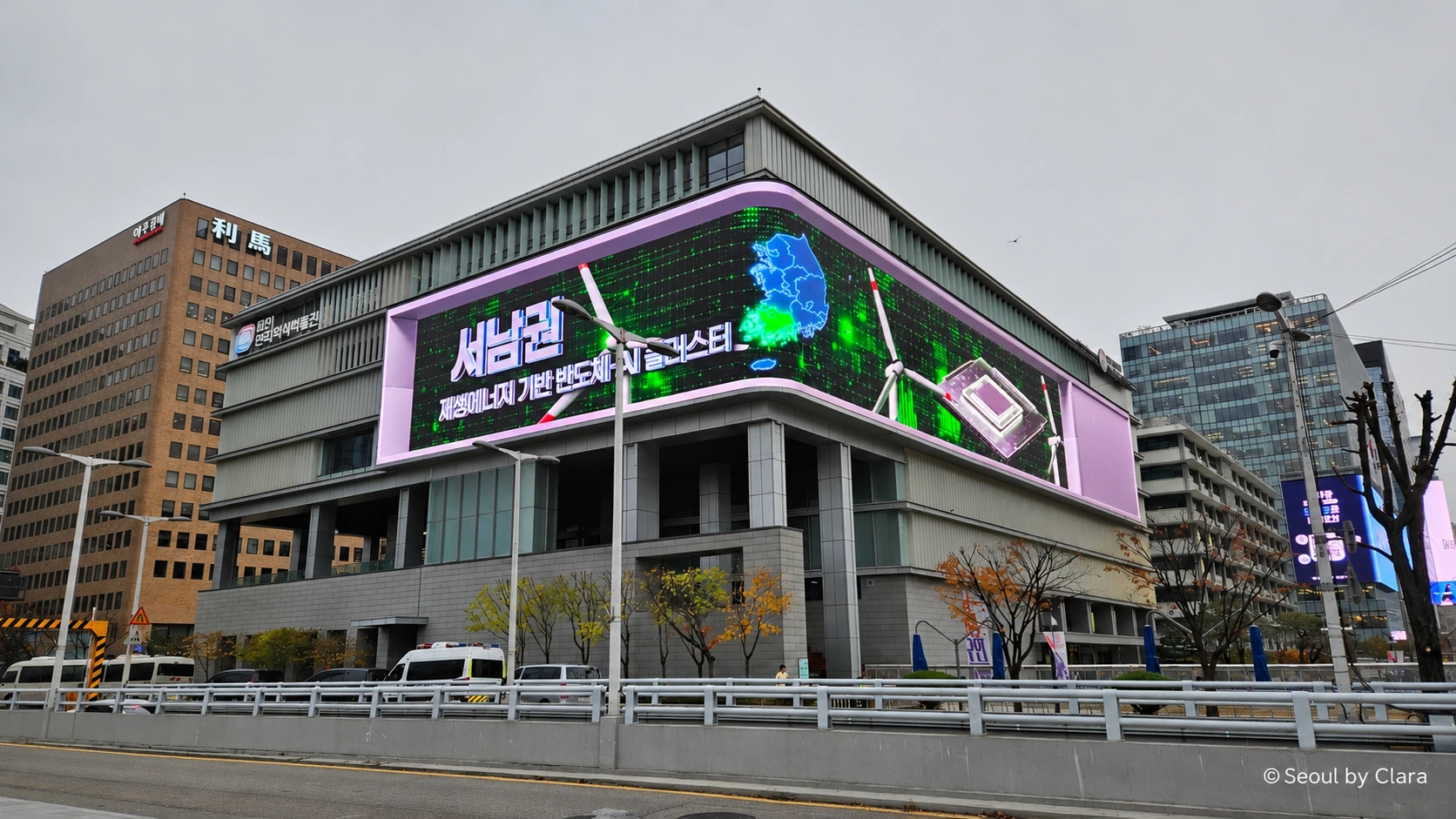
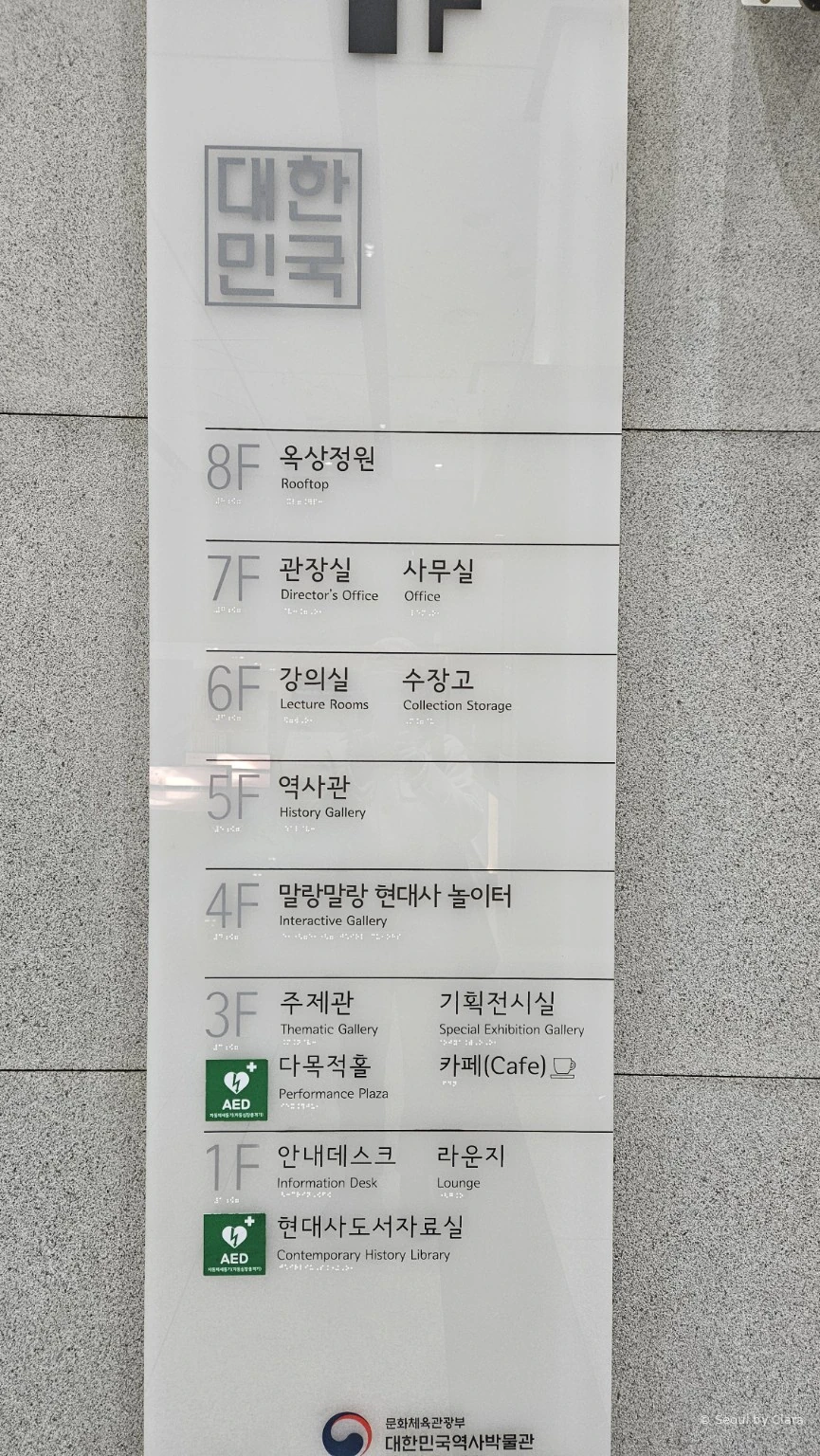
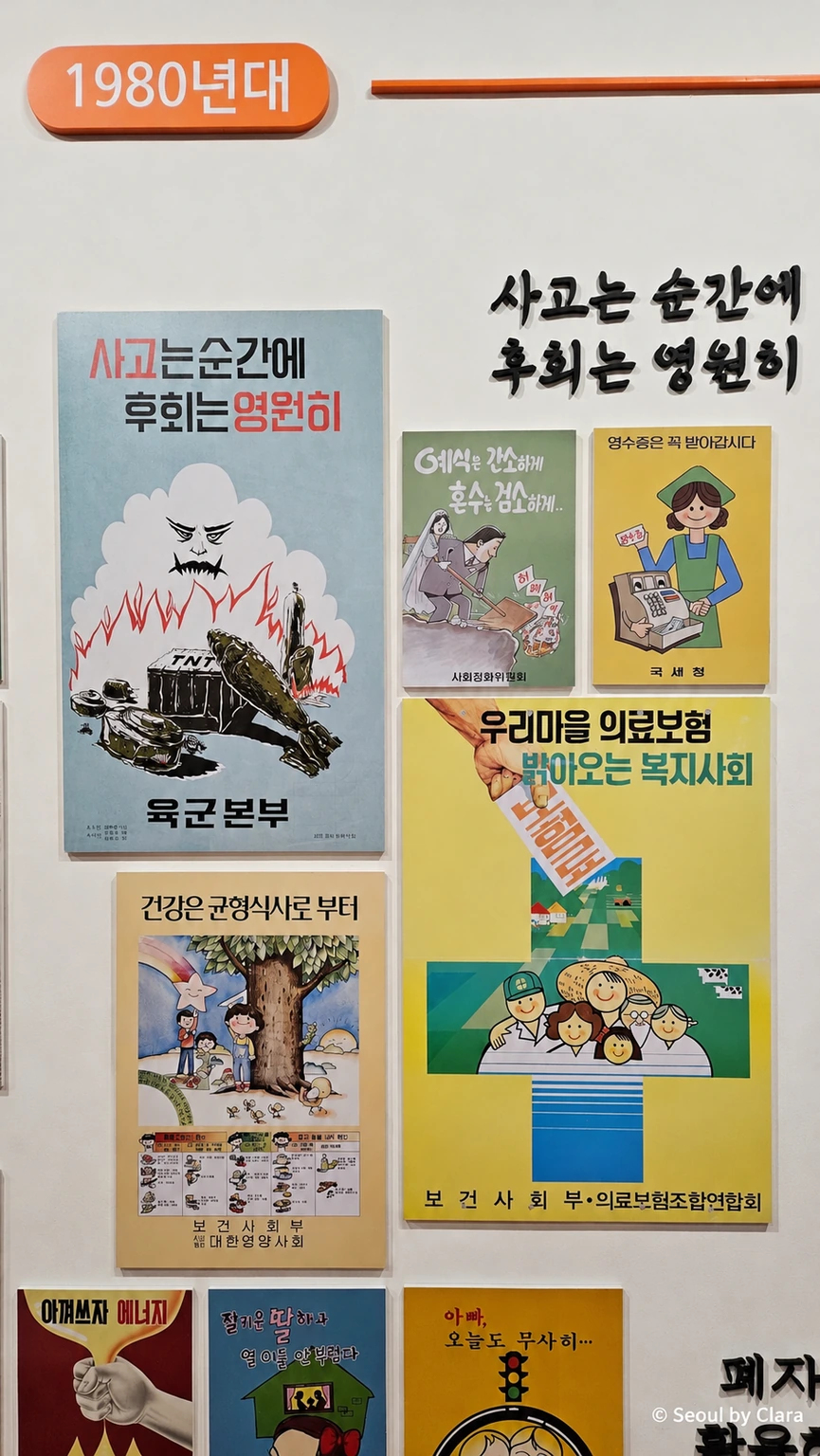
The National Museum of Korean Contemporary History is on Sejong-daero at Gwanghwamun Square. Its exhibitions document modern Korean history through photographs, documents, posters, recordings, and everyday objects. The building also houses a café and a rooftop garden.
Clara's Note
There's a large building right by Gwanghwamun Square that you might walk past without giving it much thought. Honestly, that's exactly what I used to do!
From the outside, the National Museum of Korean Contemporary History doesn't really look like a museum. It looks more like an ordinary government building, so even though I'd walked past it many times, I'd never actually thought about going inside.
In fact, I only discovered this museum while researching places for Seoul by Clara. I had no idea there was such an interesting museum right in the middle of Gwanghwamun!
So, of course, I decided to visit. And I was genuinely impressed by how well everything was put together.
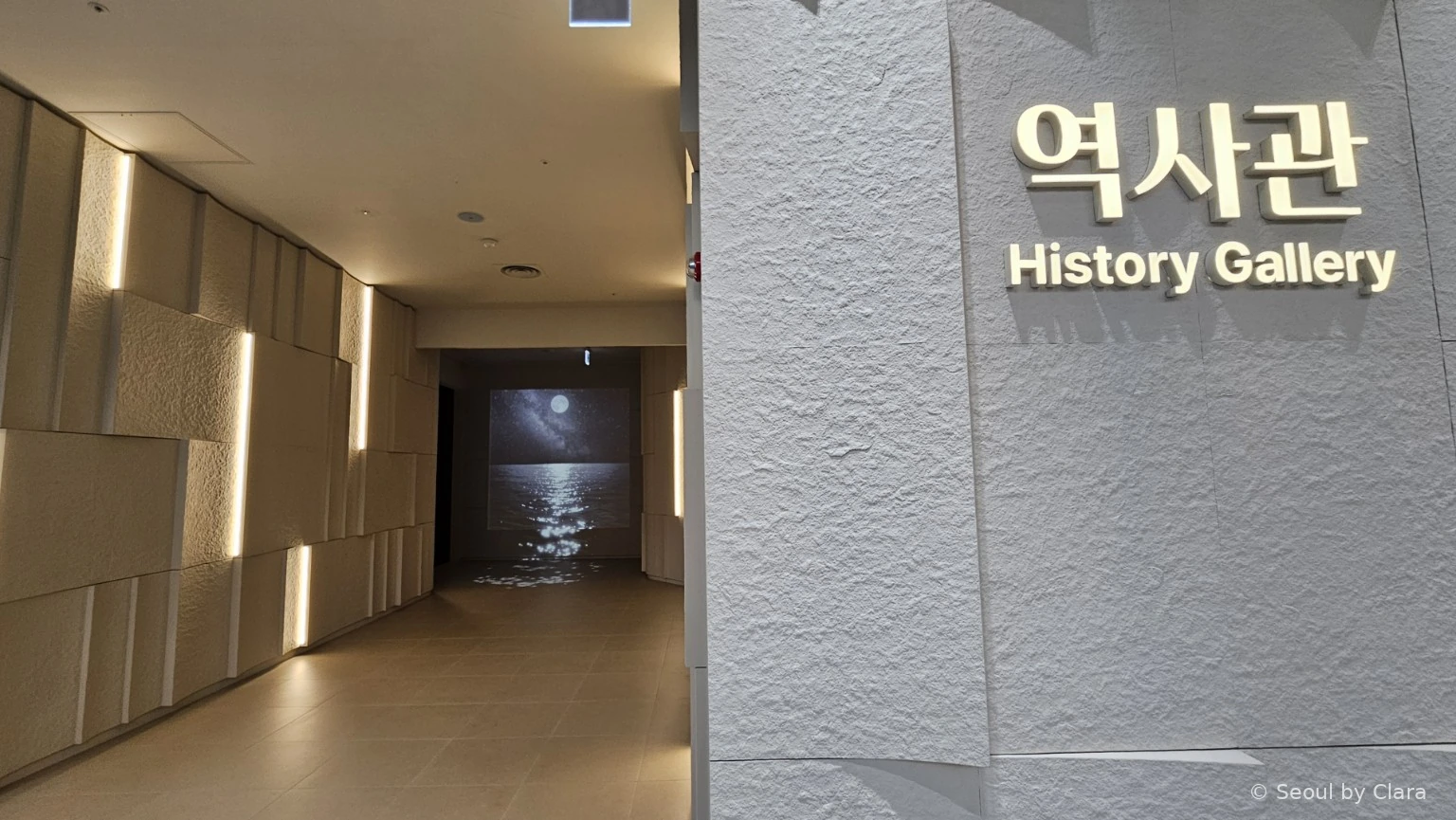
The part that stayed with me the most was the History Gallery on the fifth floor.
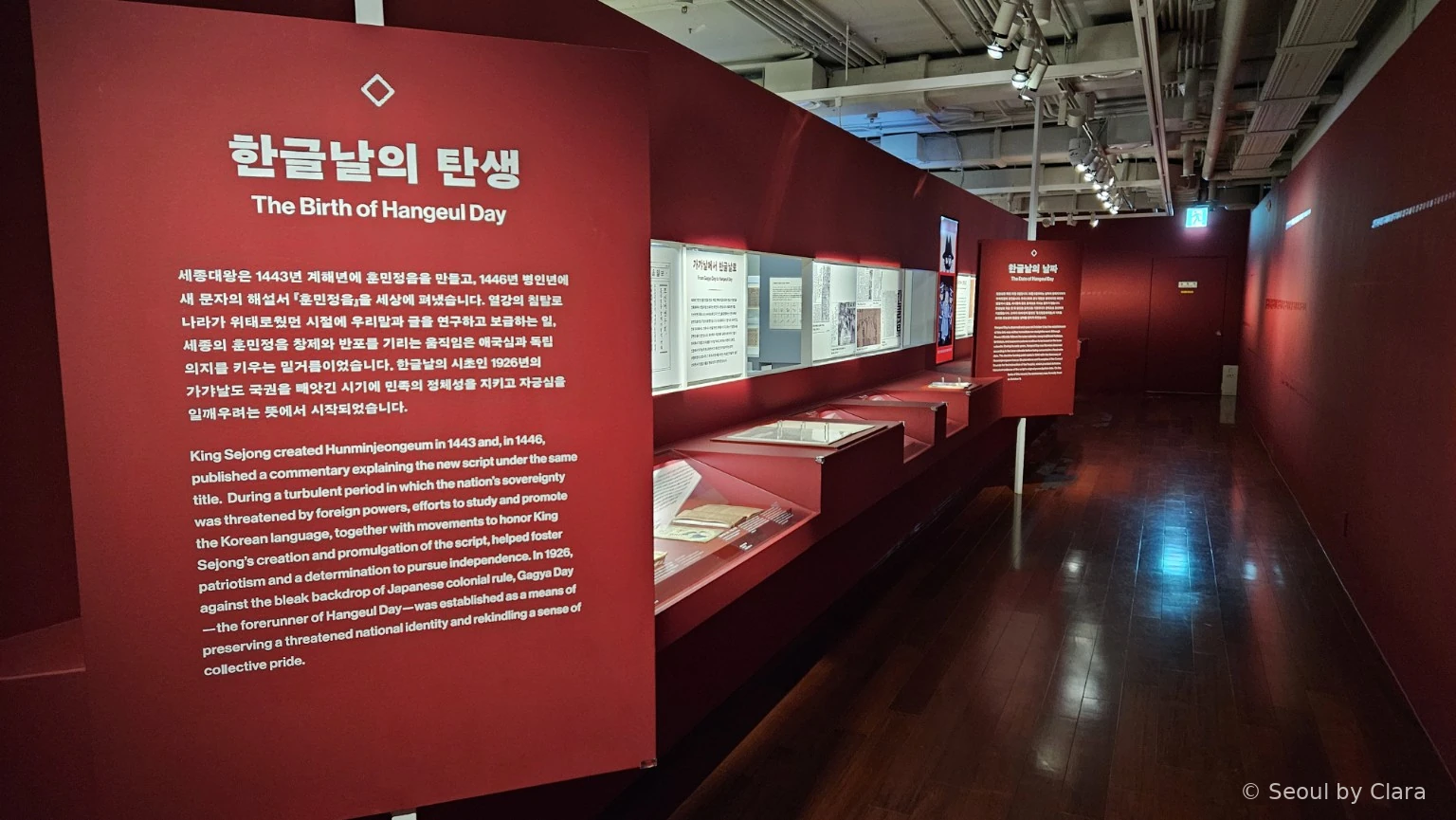
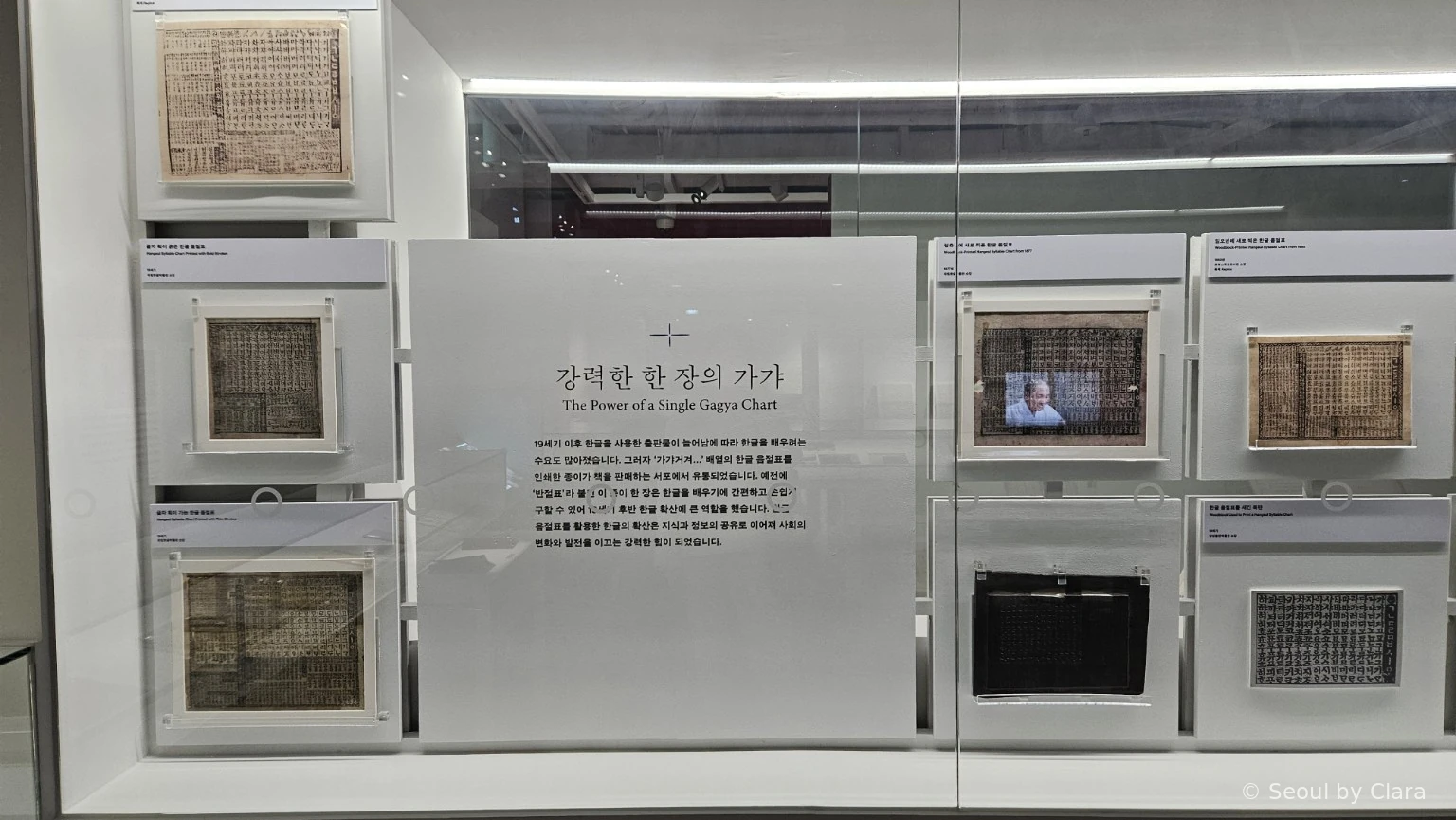
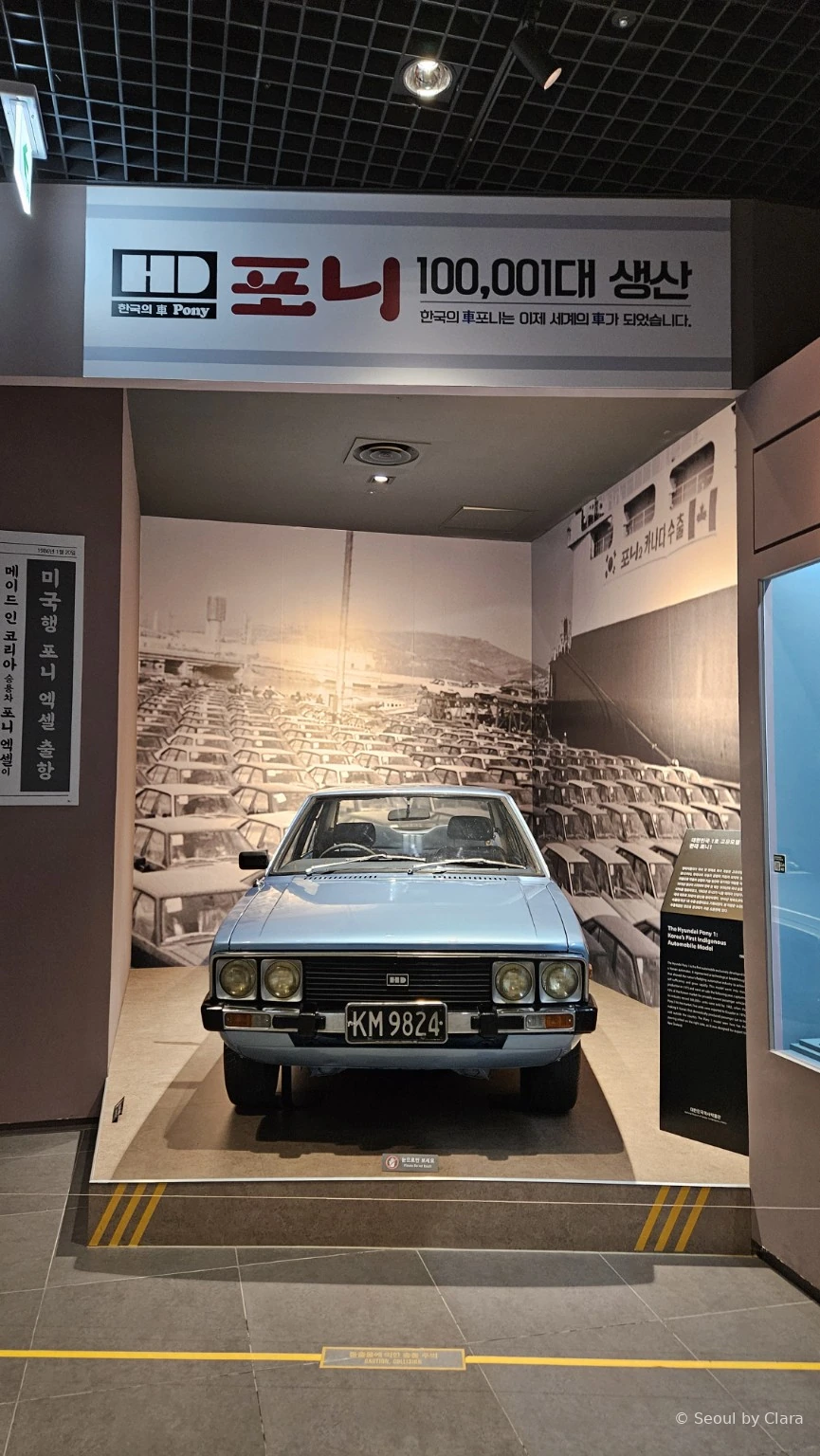
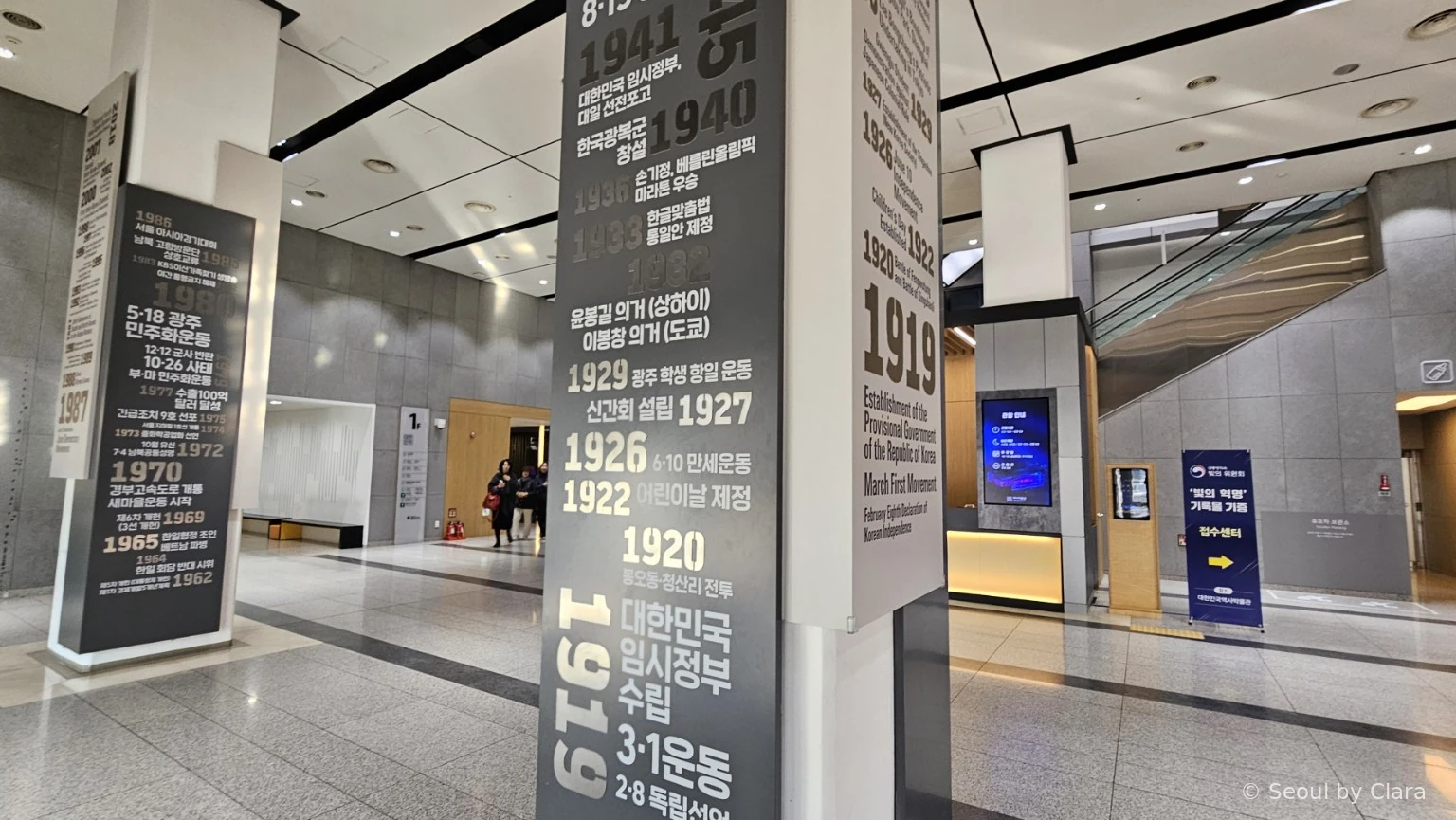
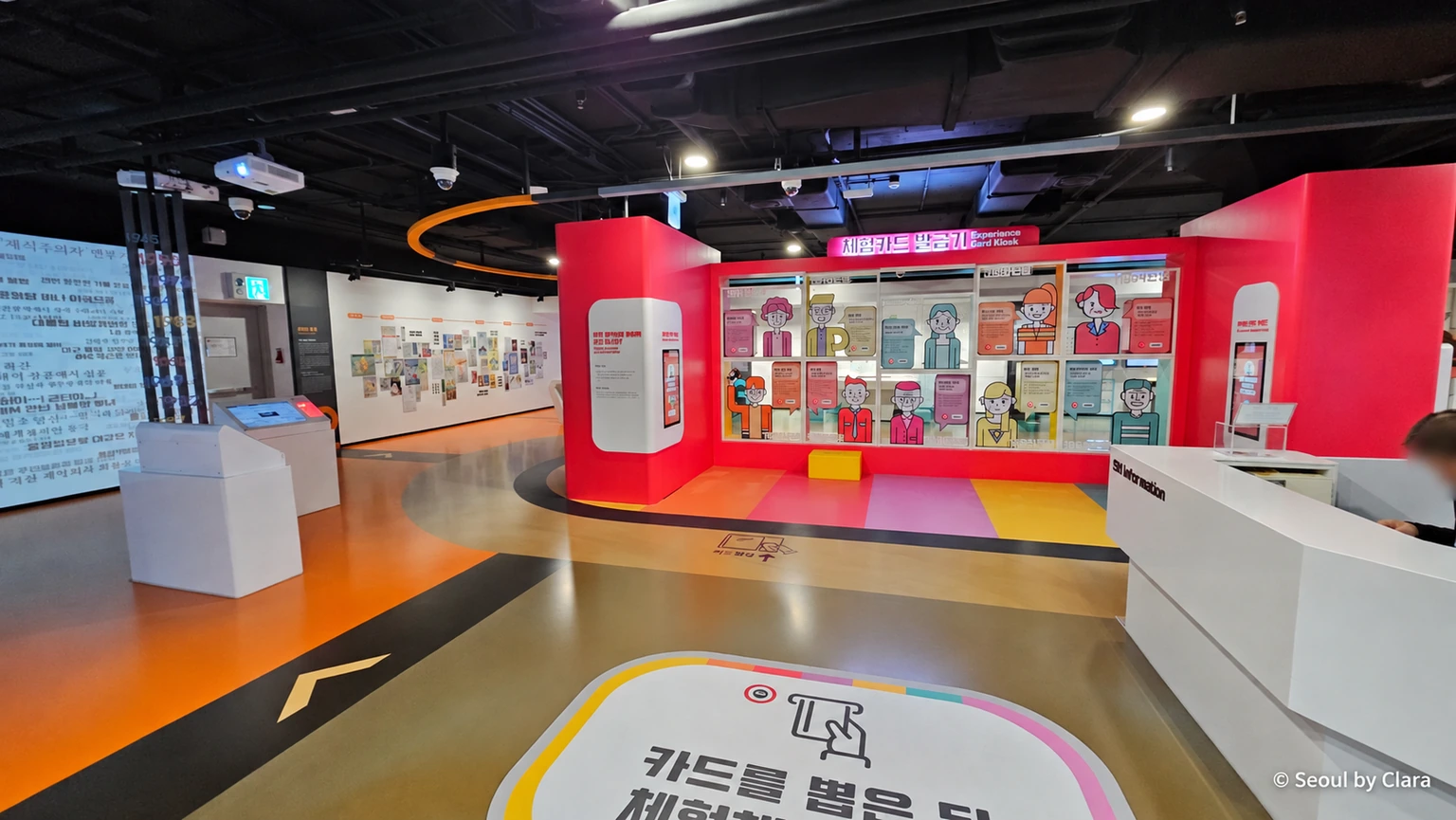
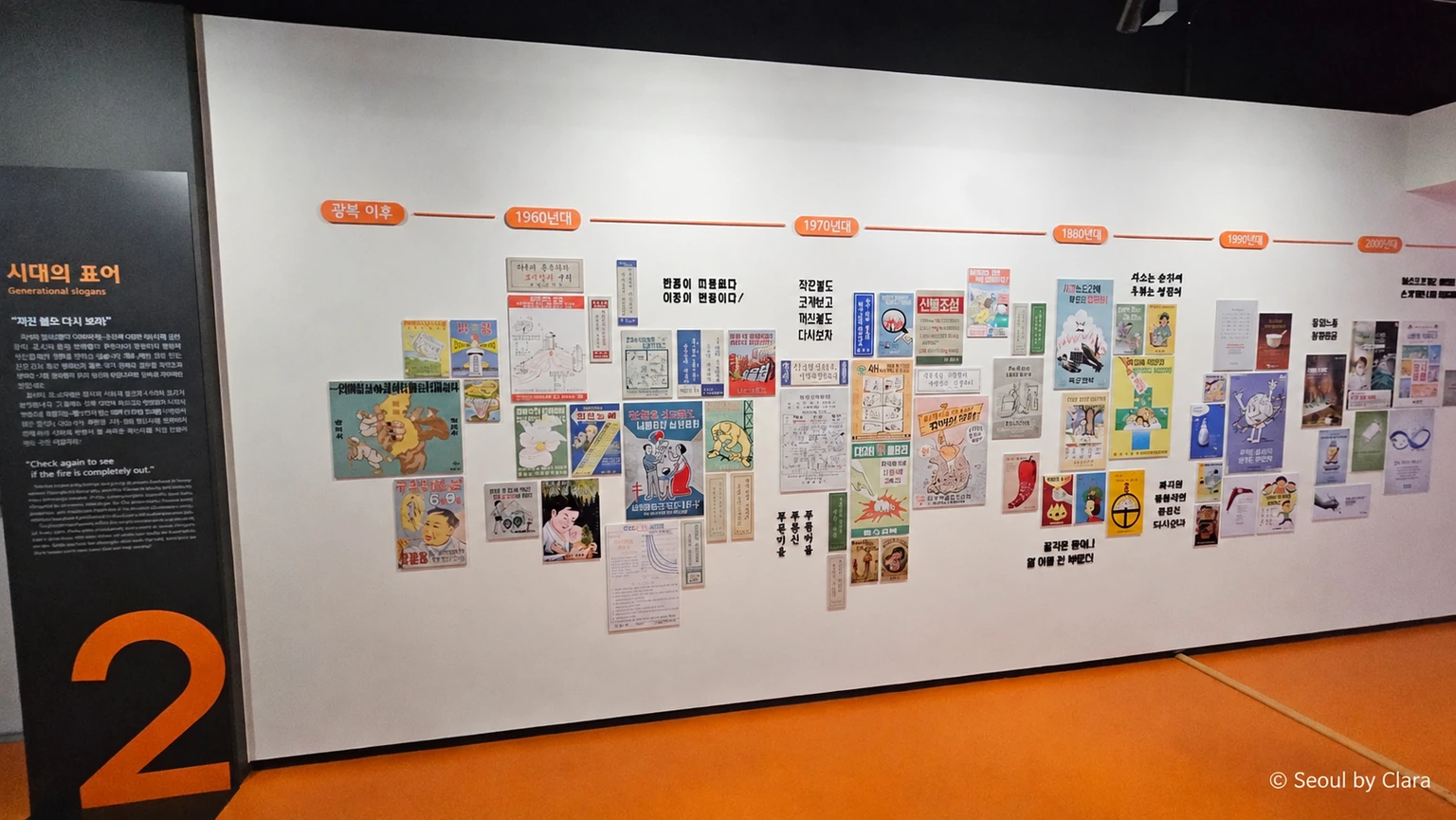
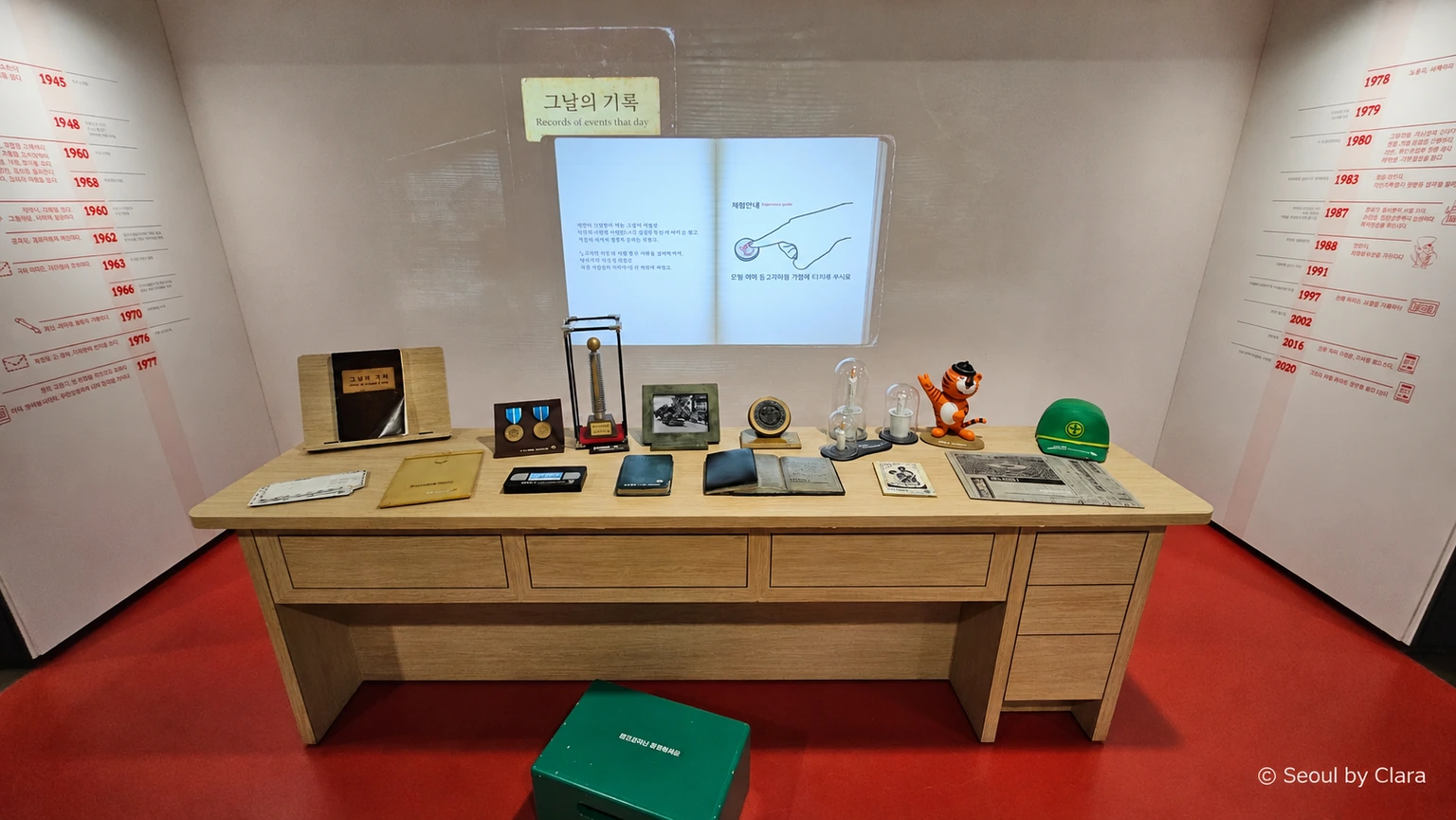
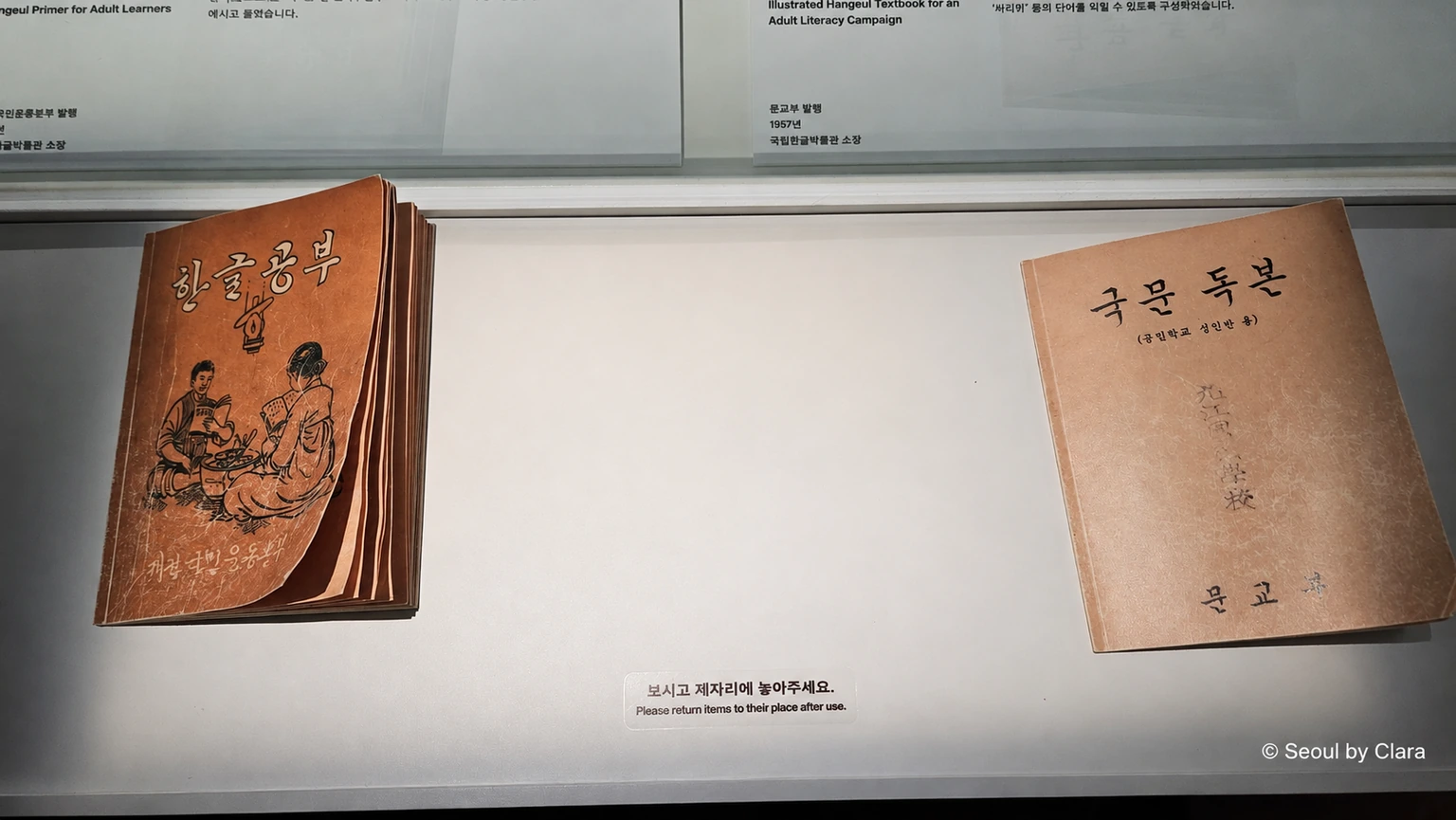
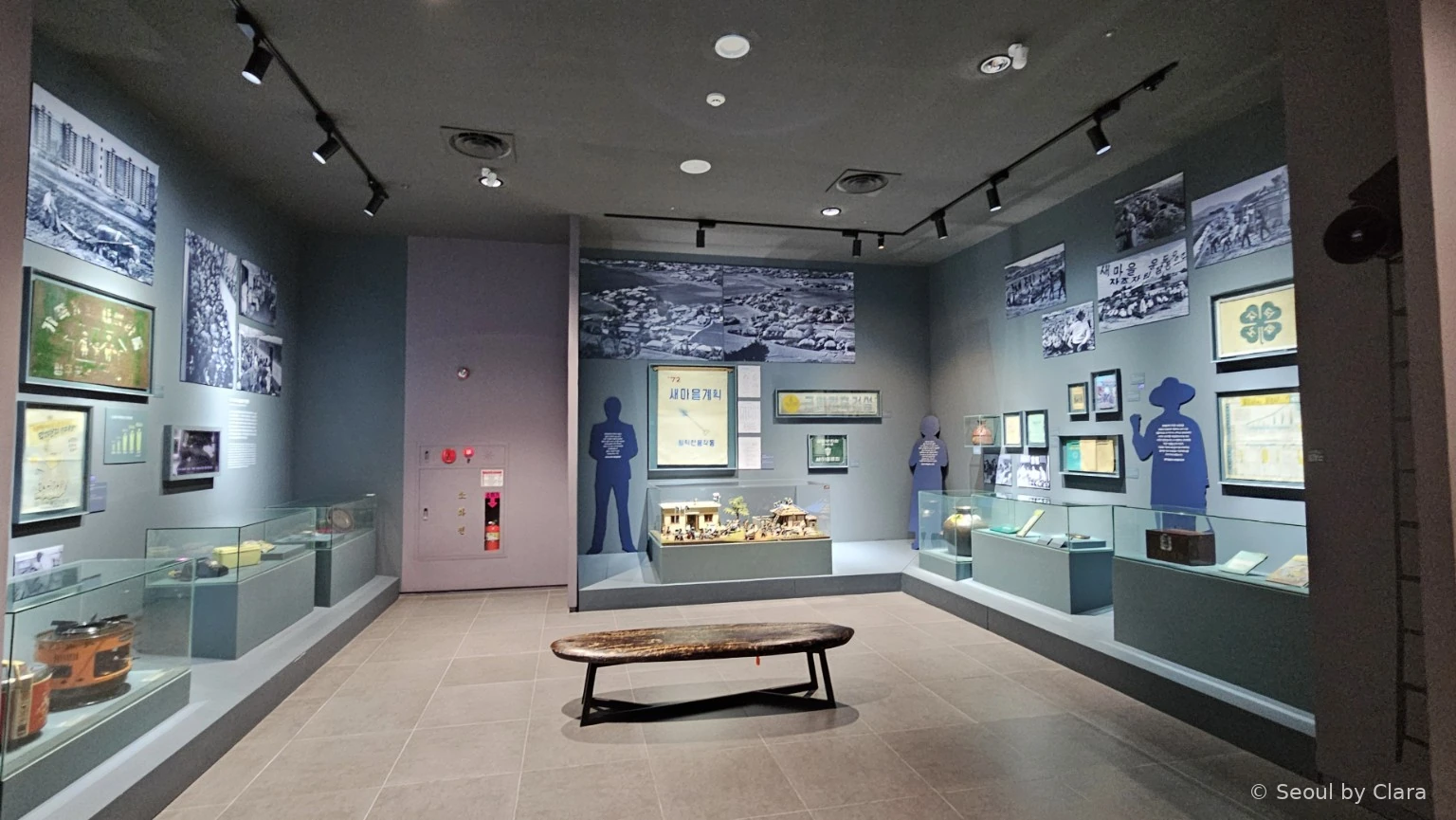
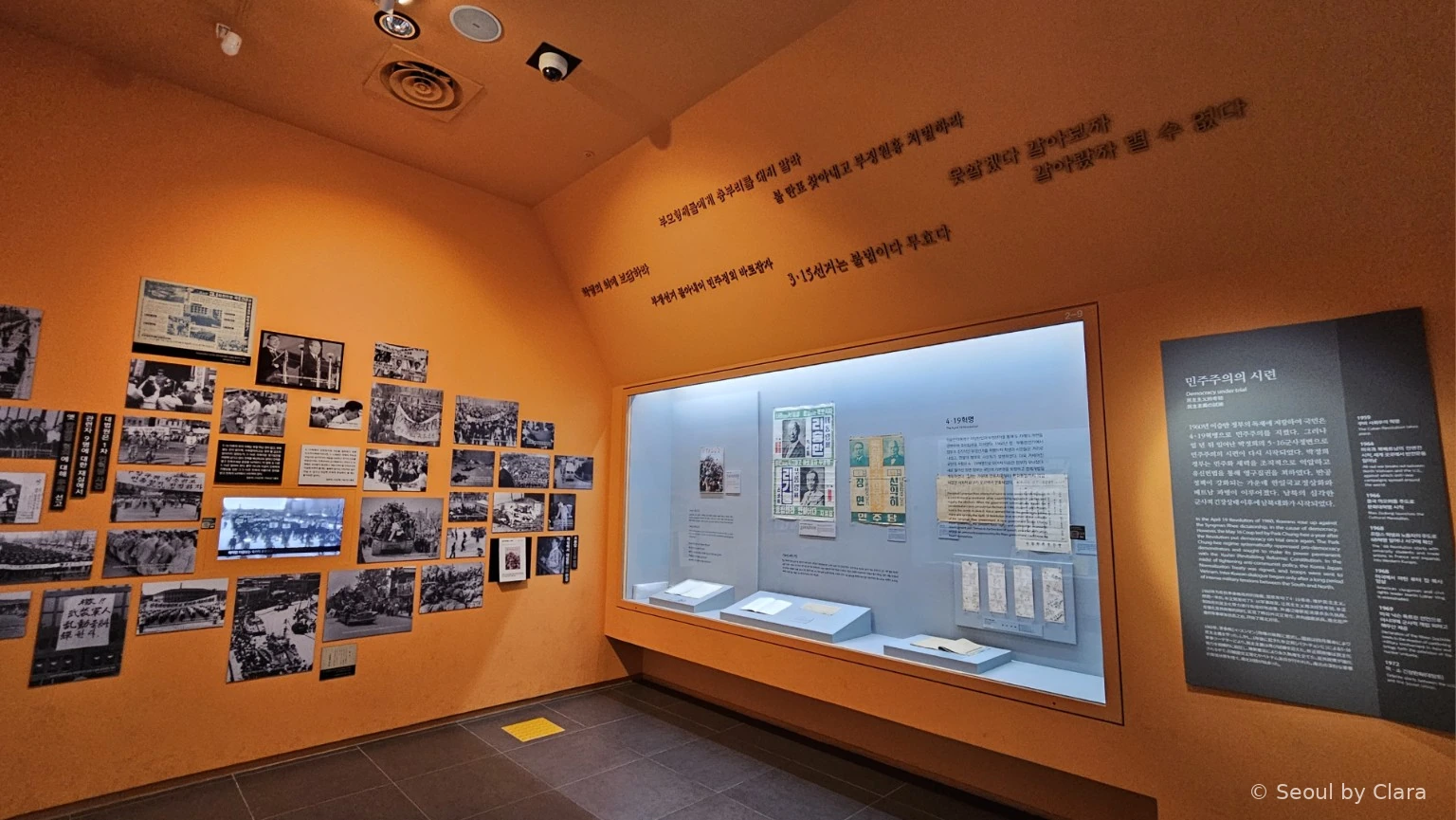
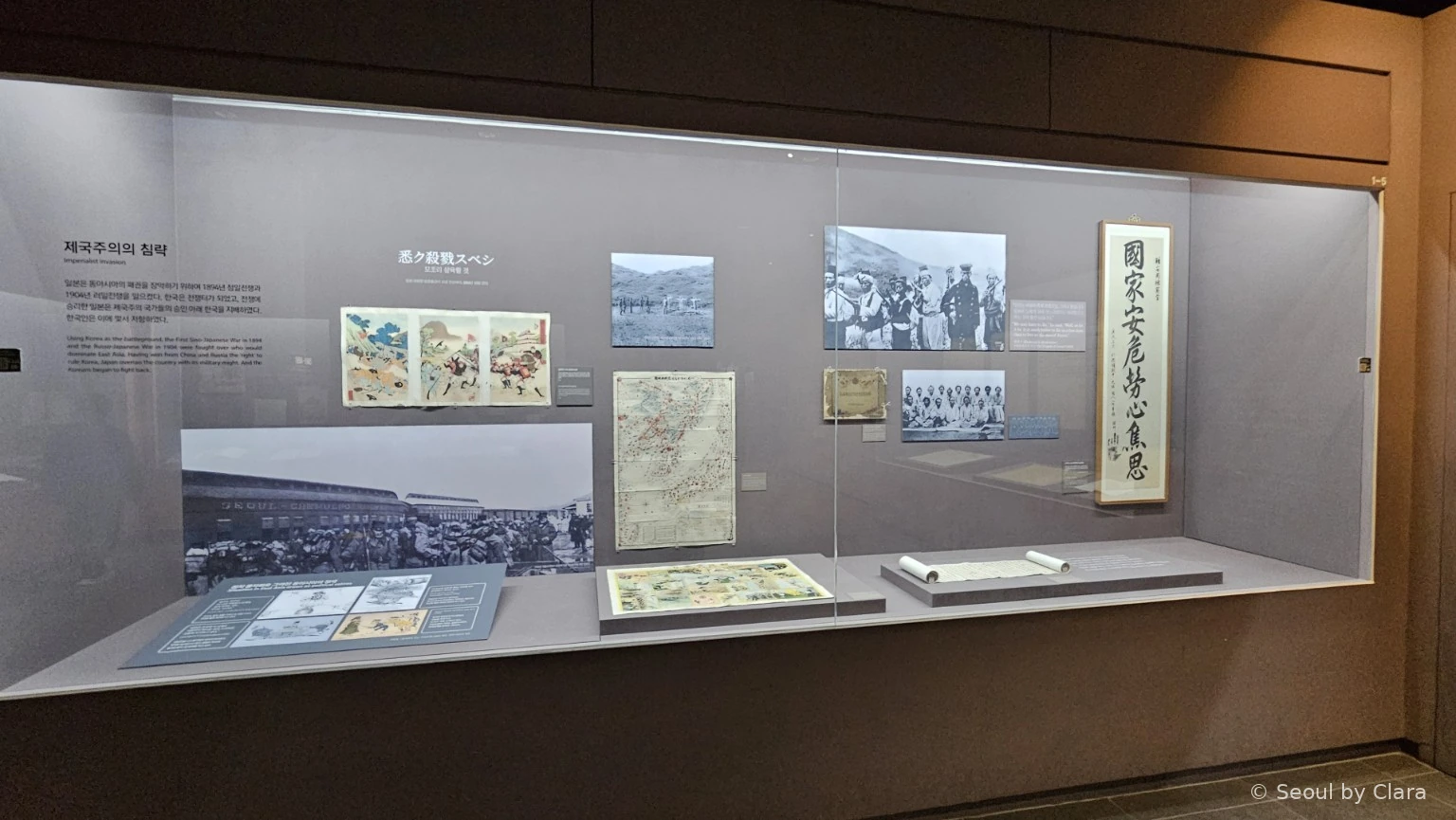
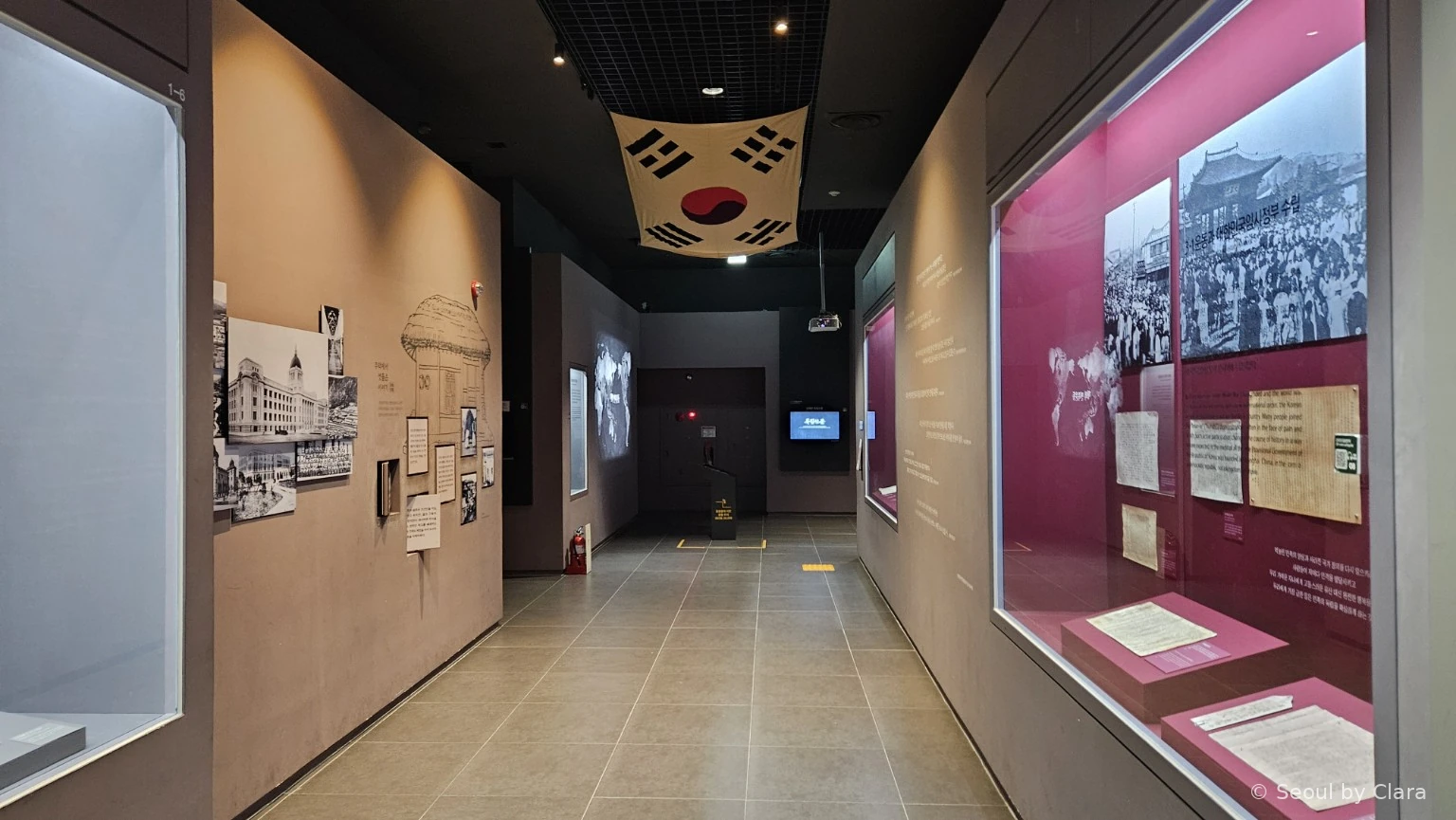
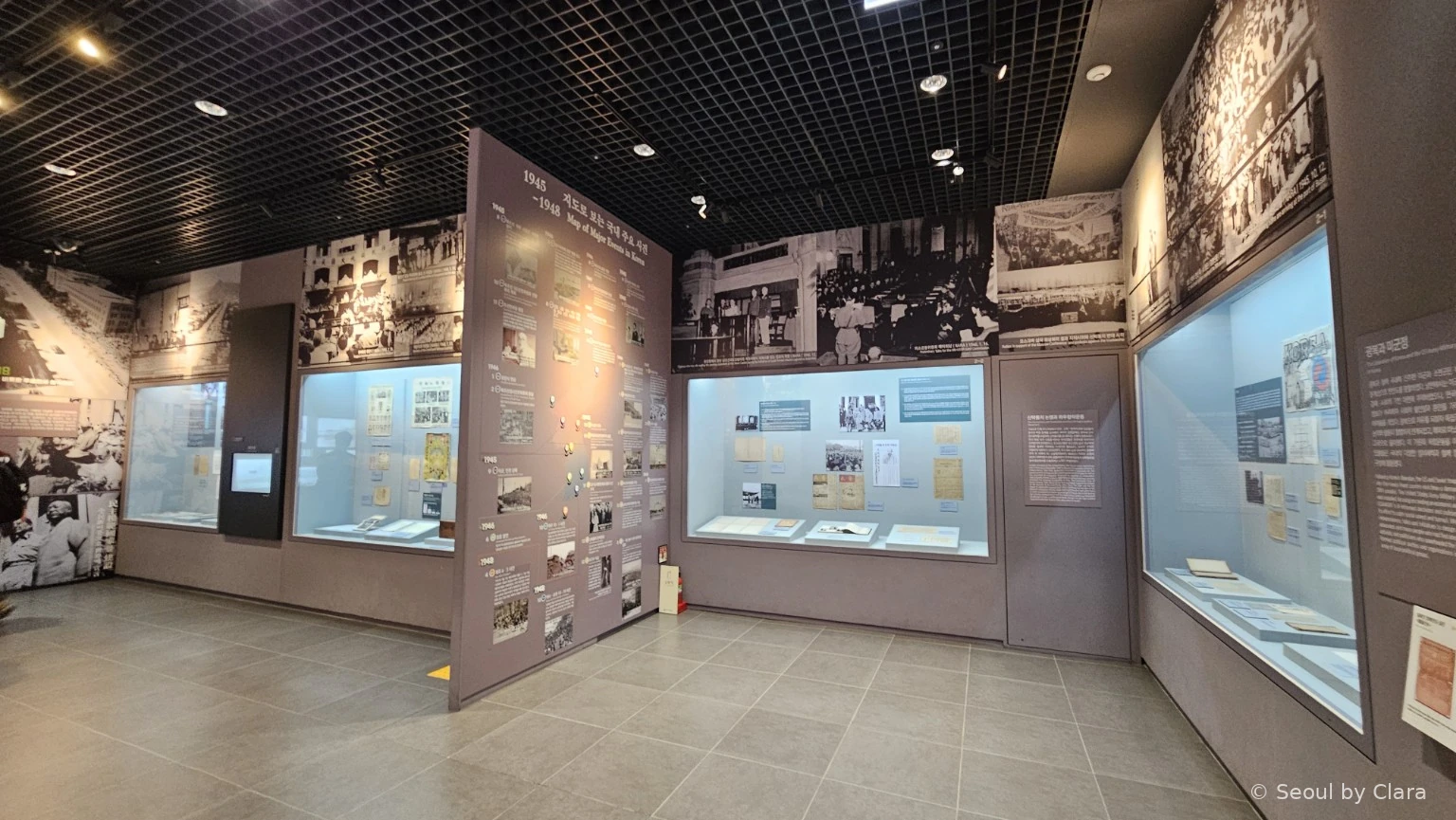
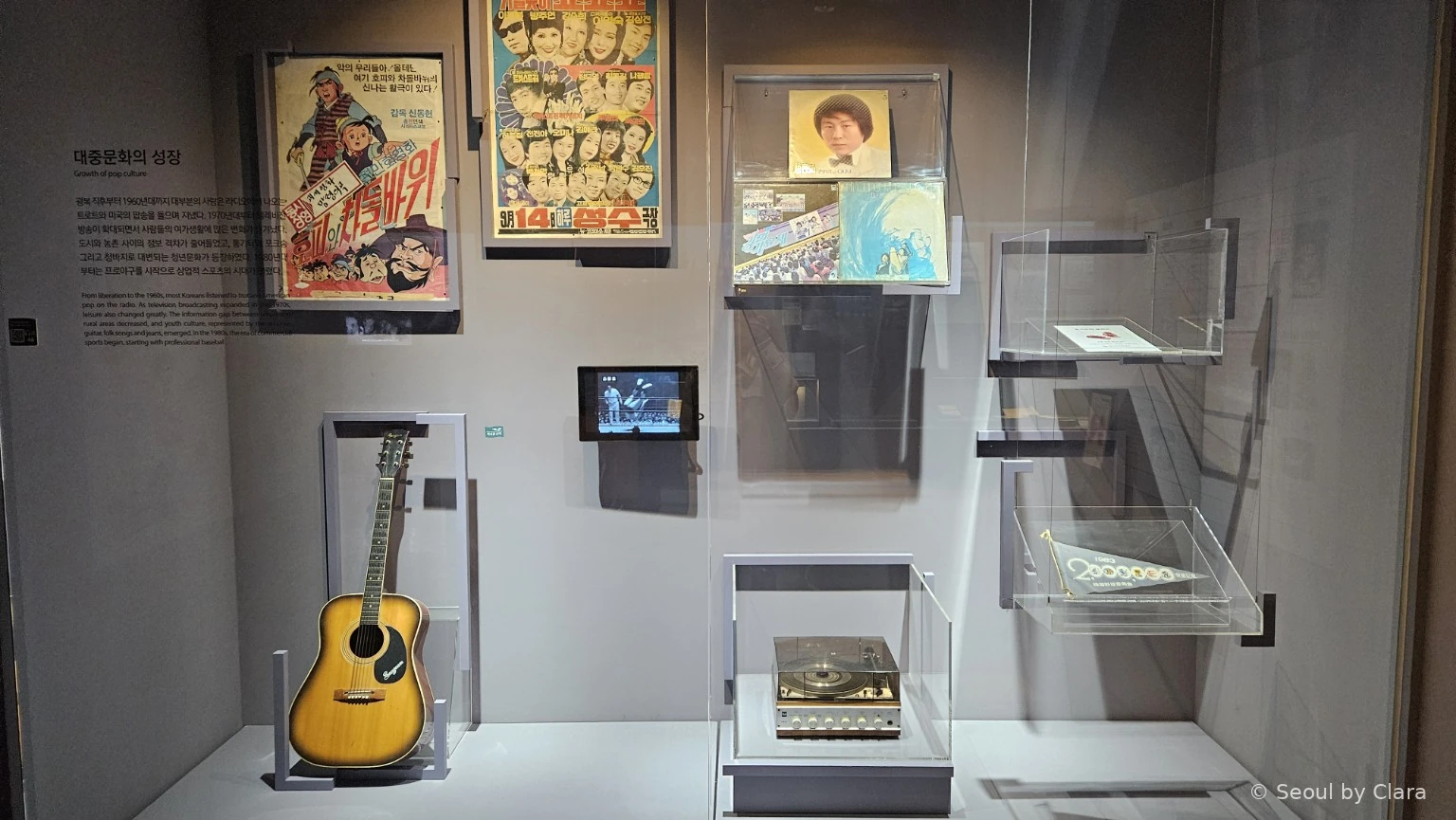
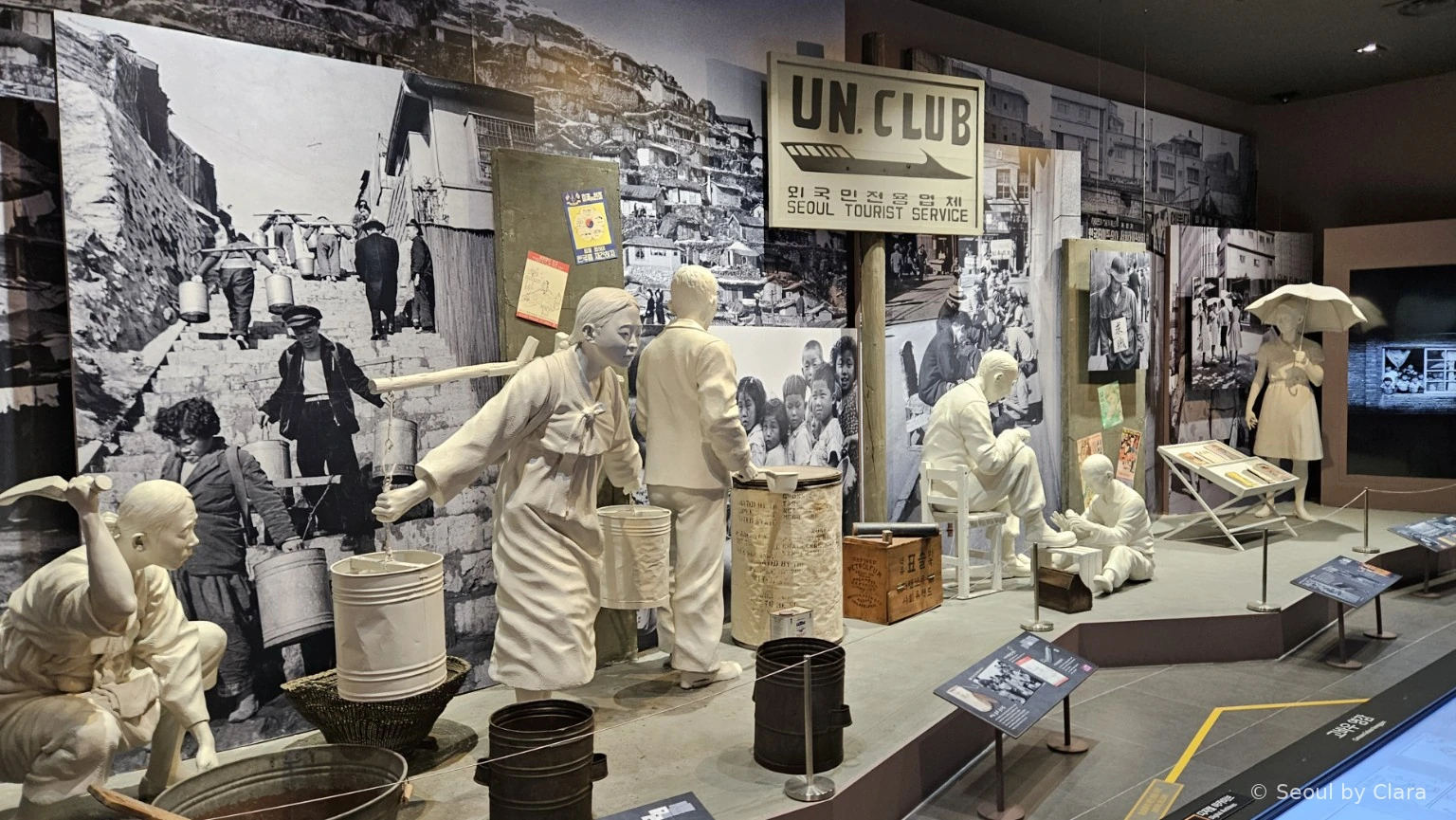
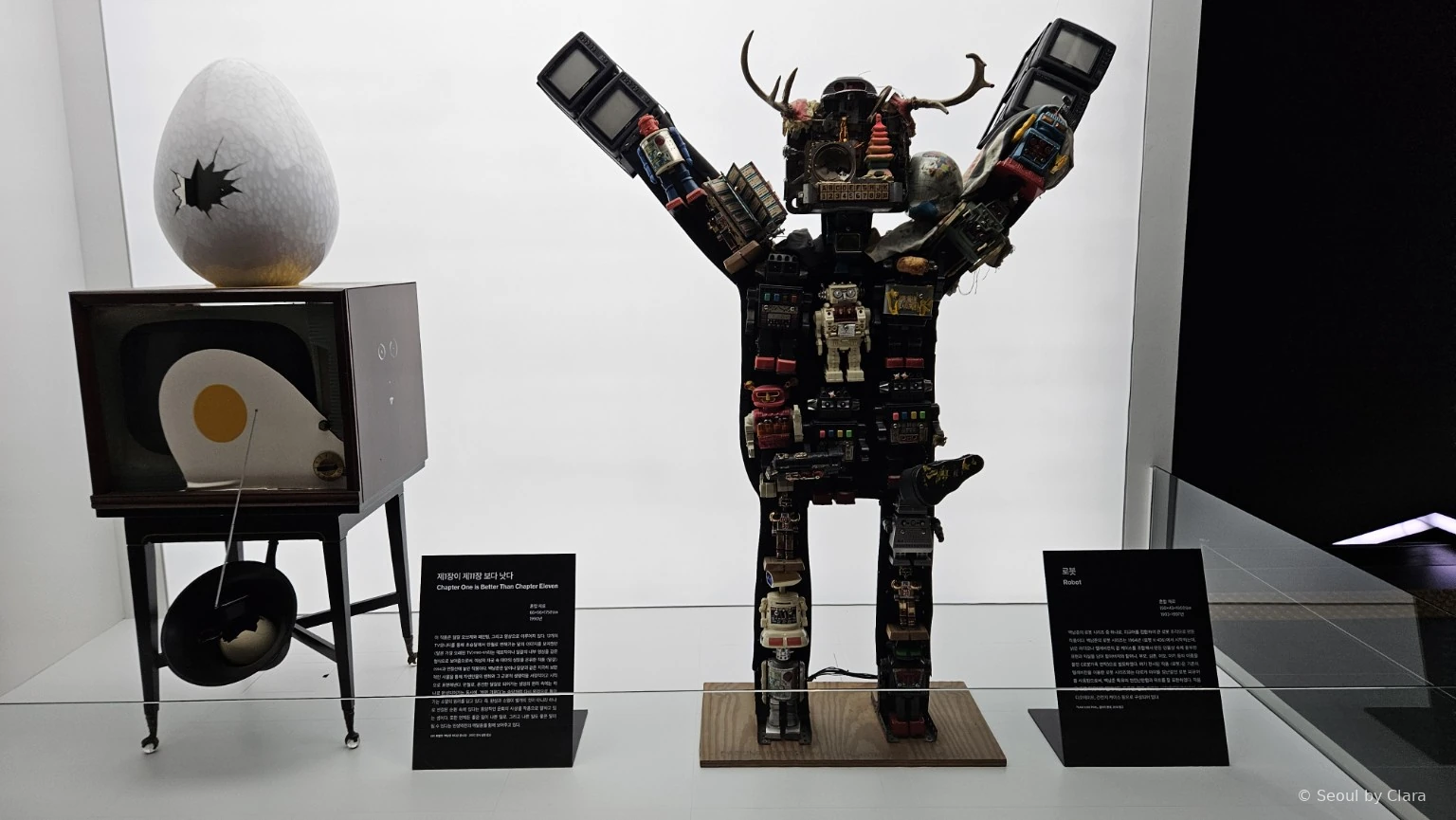
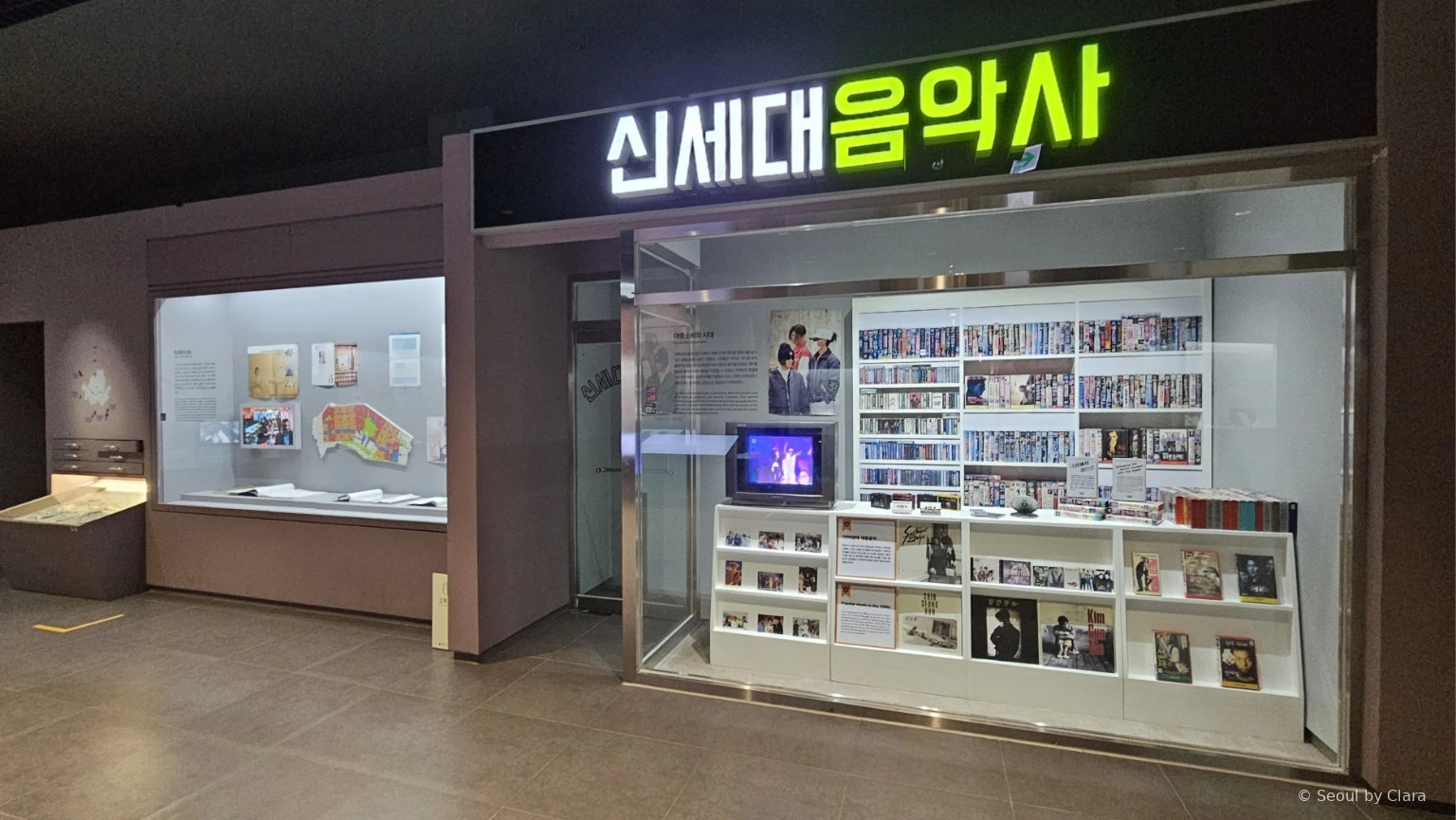
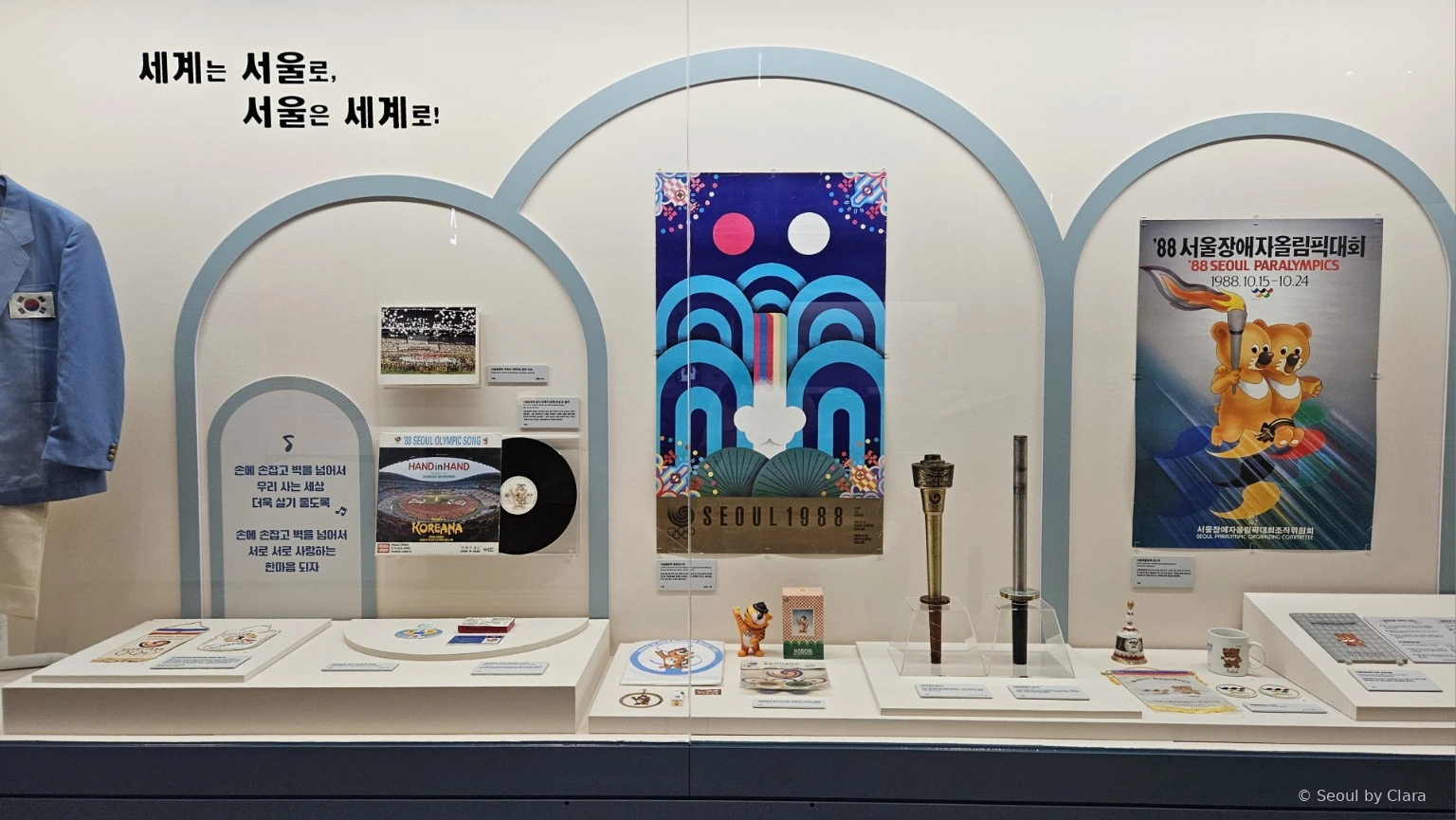
Unlike museums that focus mainly on ancient history or the Joseon Dynasty, this one takes you through Korea's modern and contemporary history. There are so many photographs, historical documents, and objects from different periods, and I found myself spending quite a lot of time looking through them.
What struck me most was just how dramatically Korea has changed in such a relatively short period of time.
Looking at the exhibitions, you can see how different the country was from one decade to the next. The changes in people's lives, the cities, the economy, and society itself are quite remarkable. It's one thing to know that Korea developed rapidly, but seeing all those photographs and historical records together really puts that transformation into perspective.
And I have to say, some parts were quite heartbreaking.
Korea's modern history includes some incredibly painful chapters, and seeing those stories through actual photographs and records made them feel much more real to me. There were moments when I felt genuinely sad.
But at the same time, it was fascinating to see how Korea went through so much hardship and eventually became the country it is today. I think this museum does a wonderful job of showing both the difficult parts of our history and the extraordinary changes that followed.
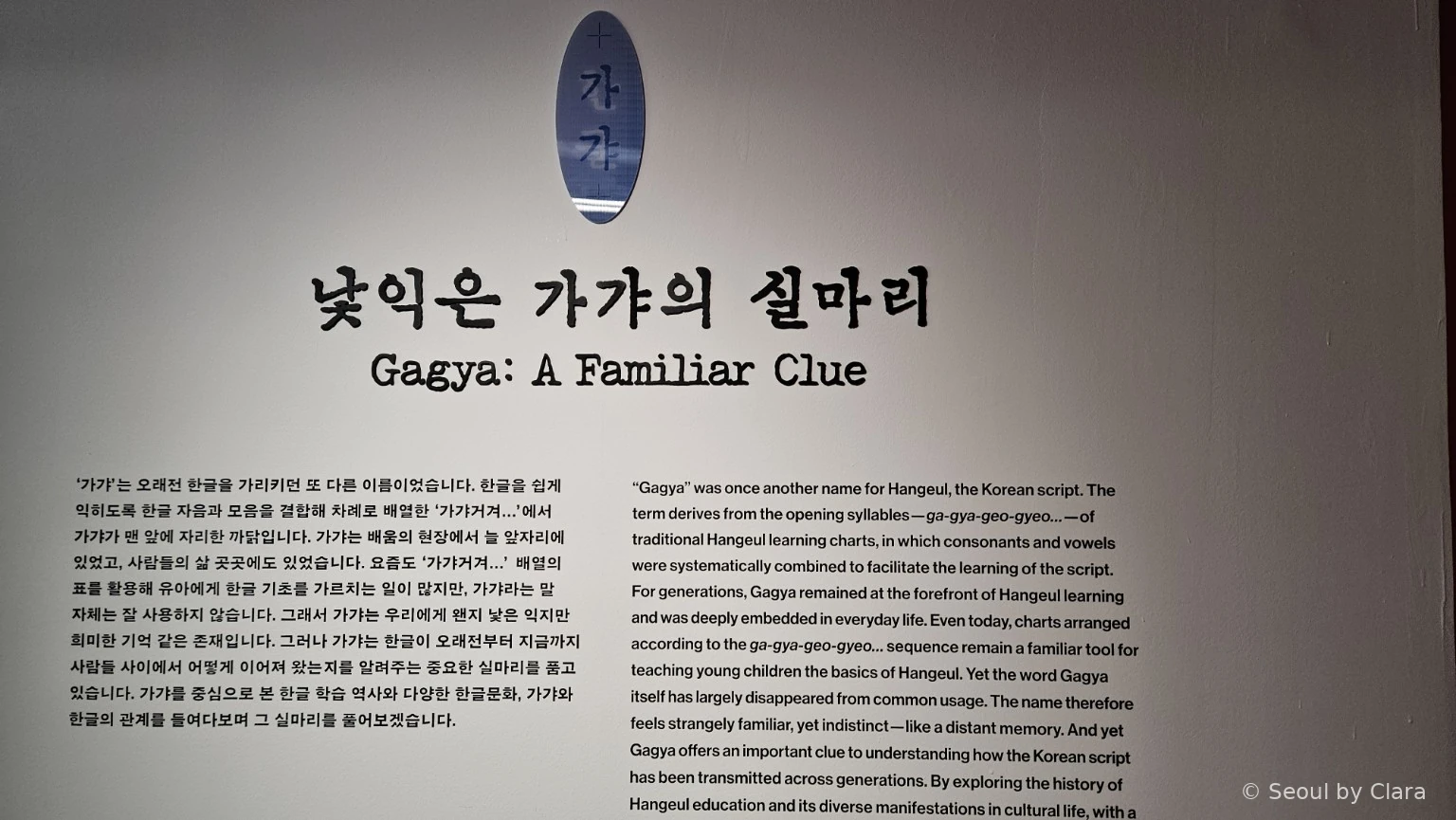
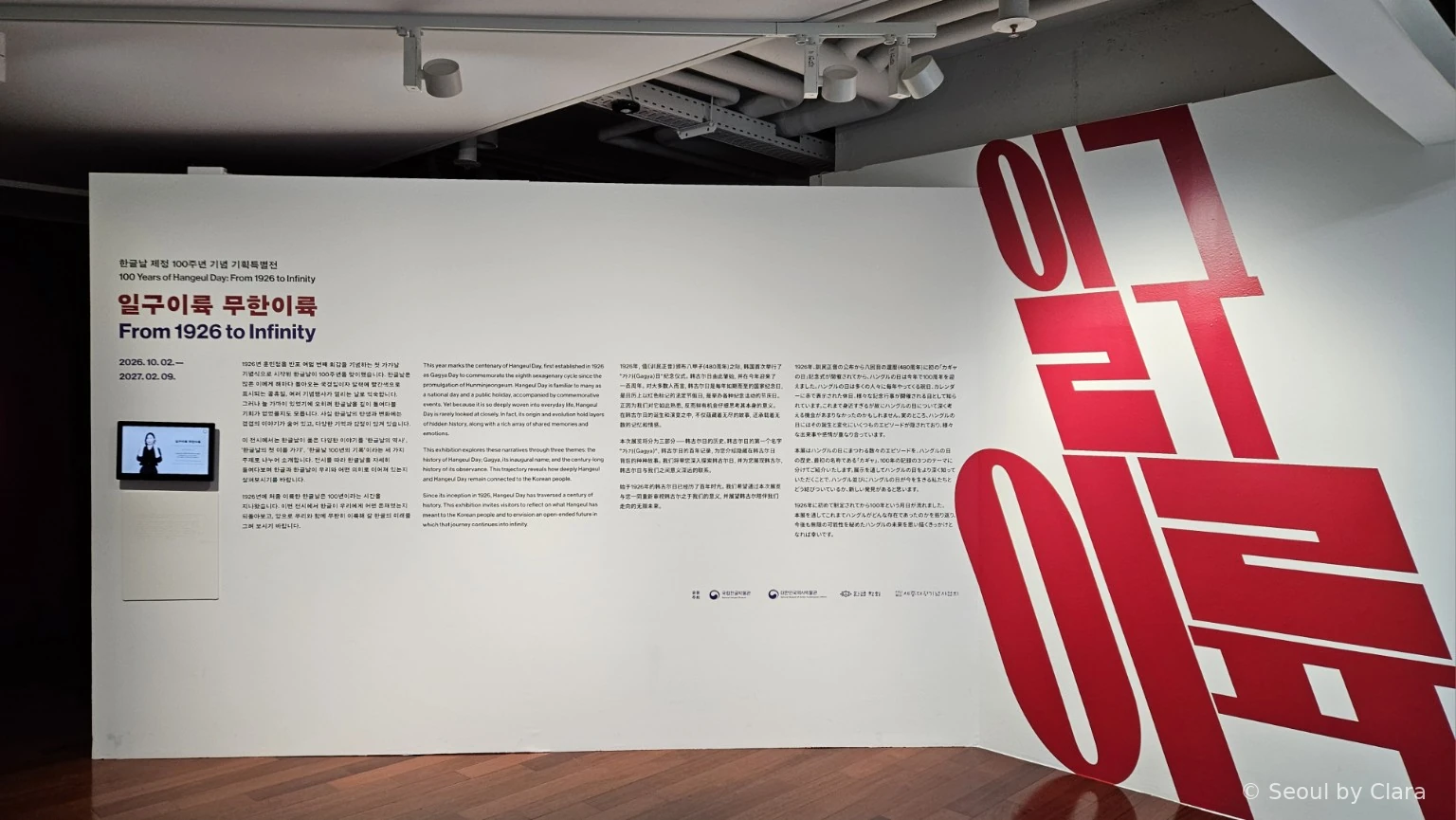
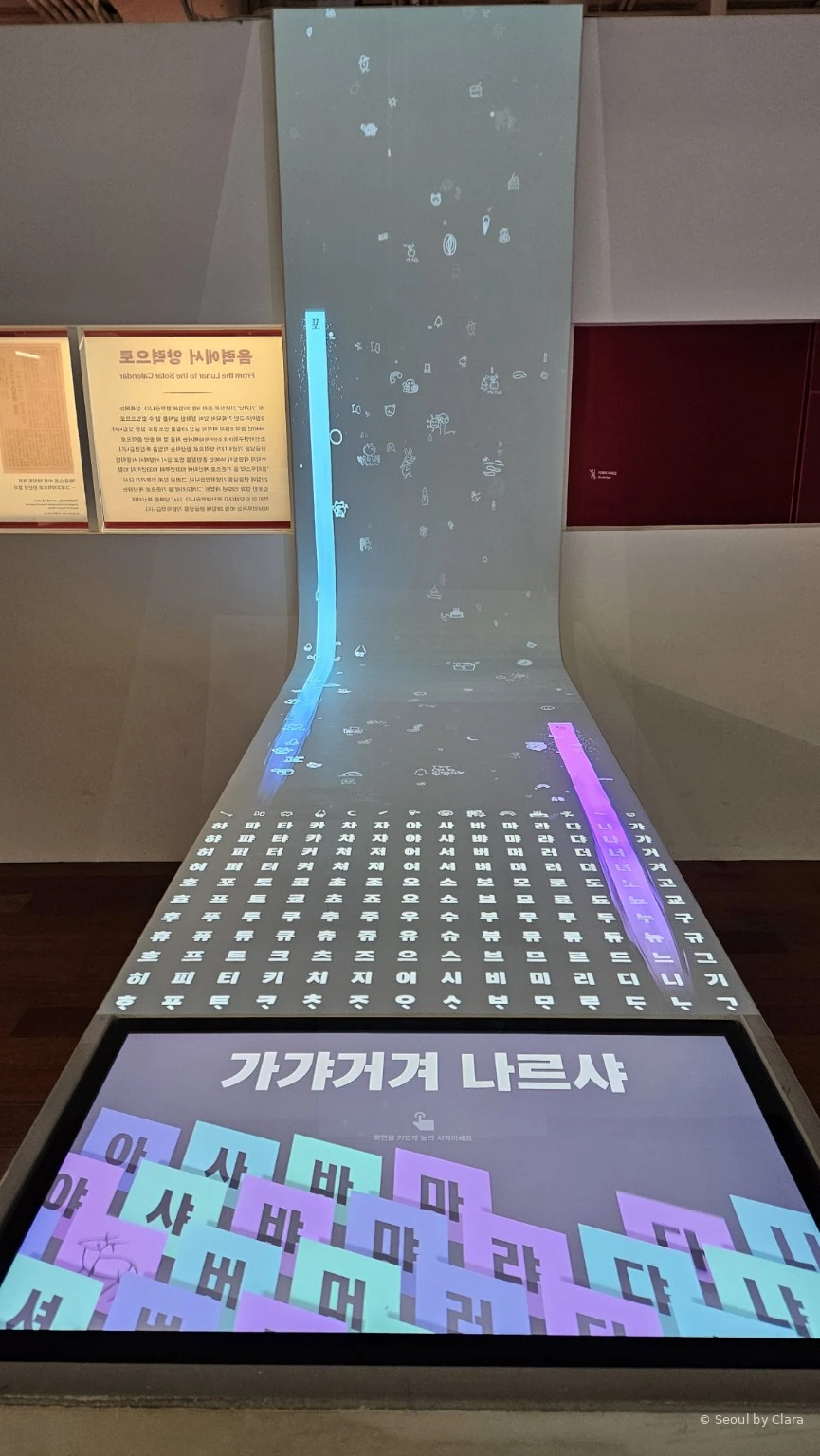
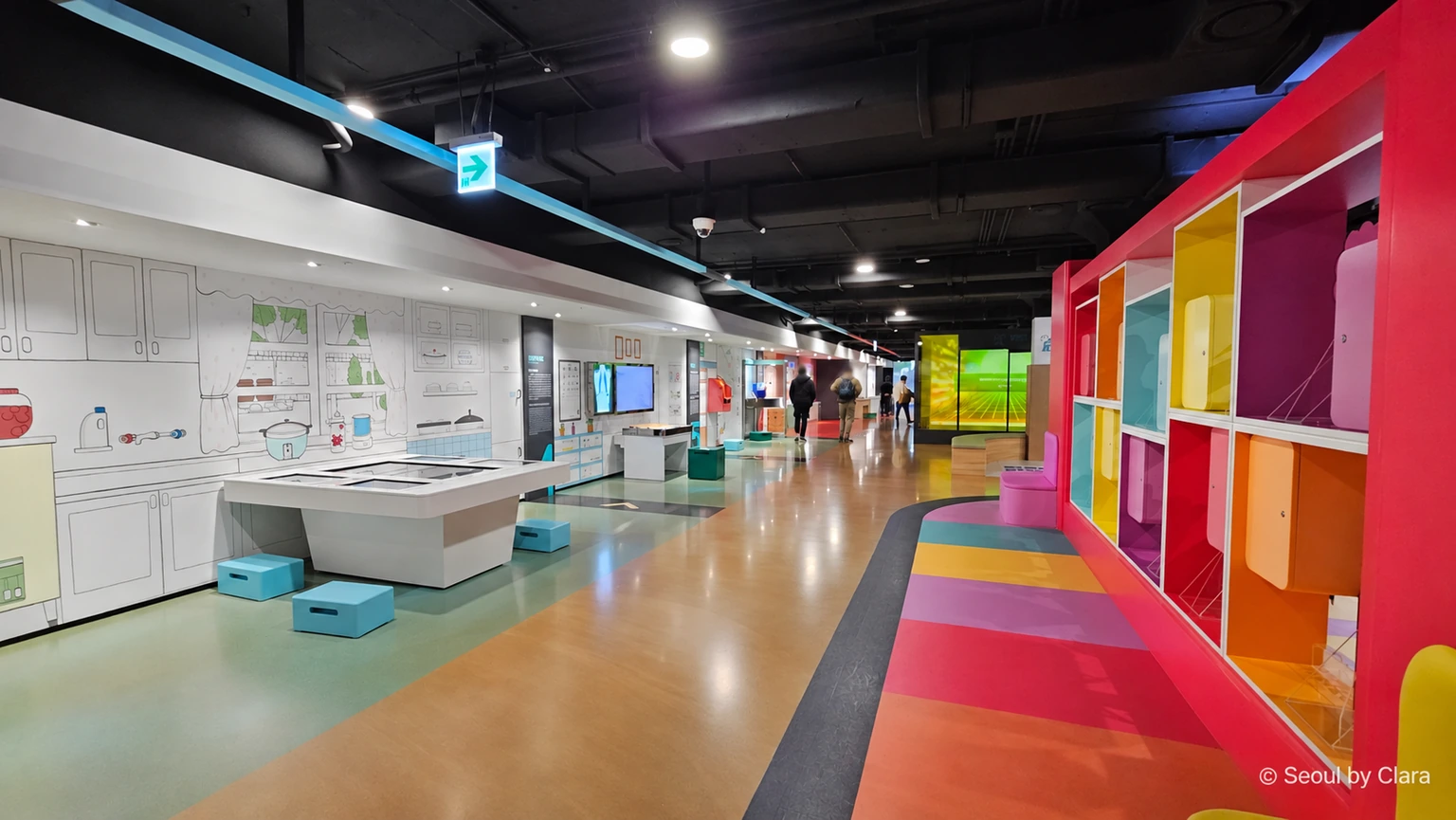
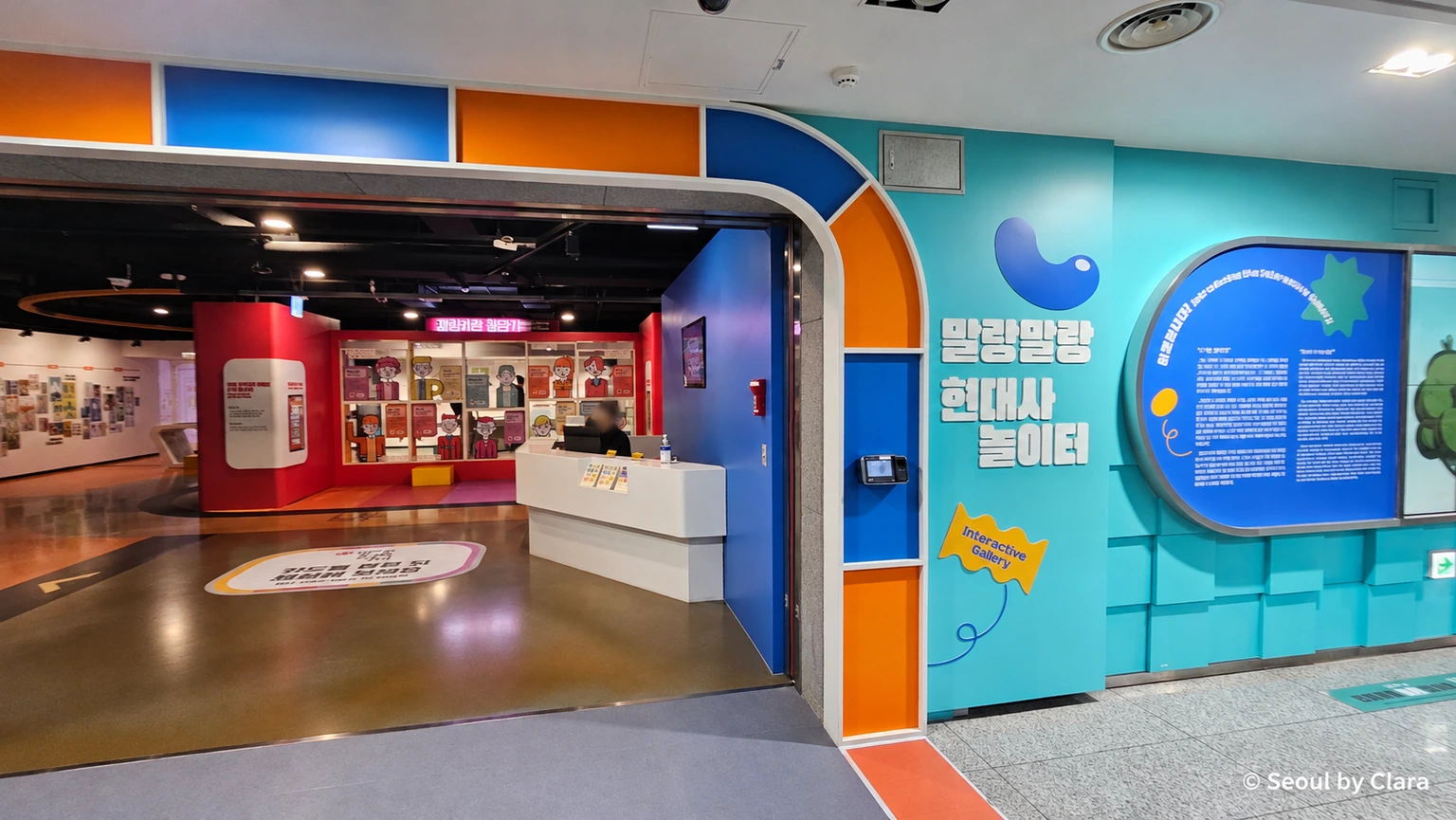
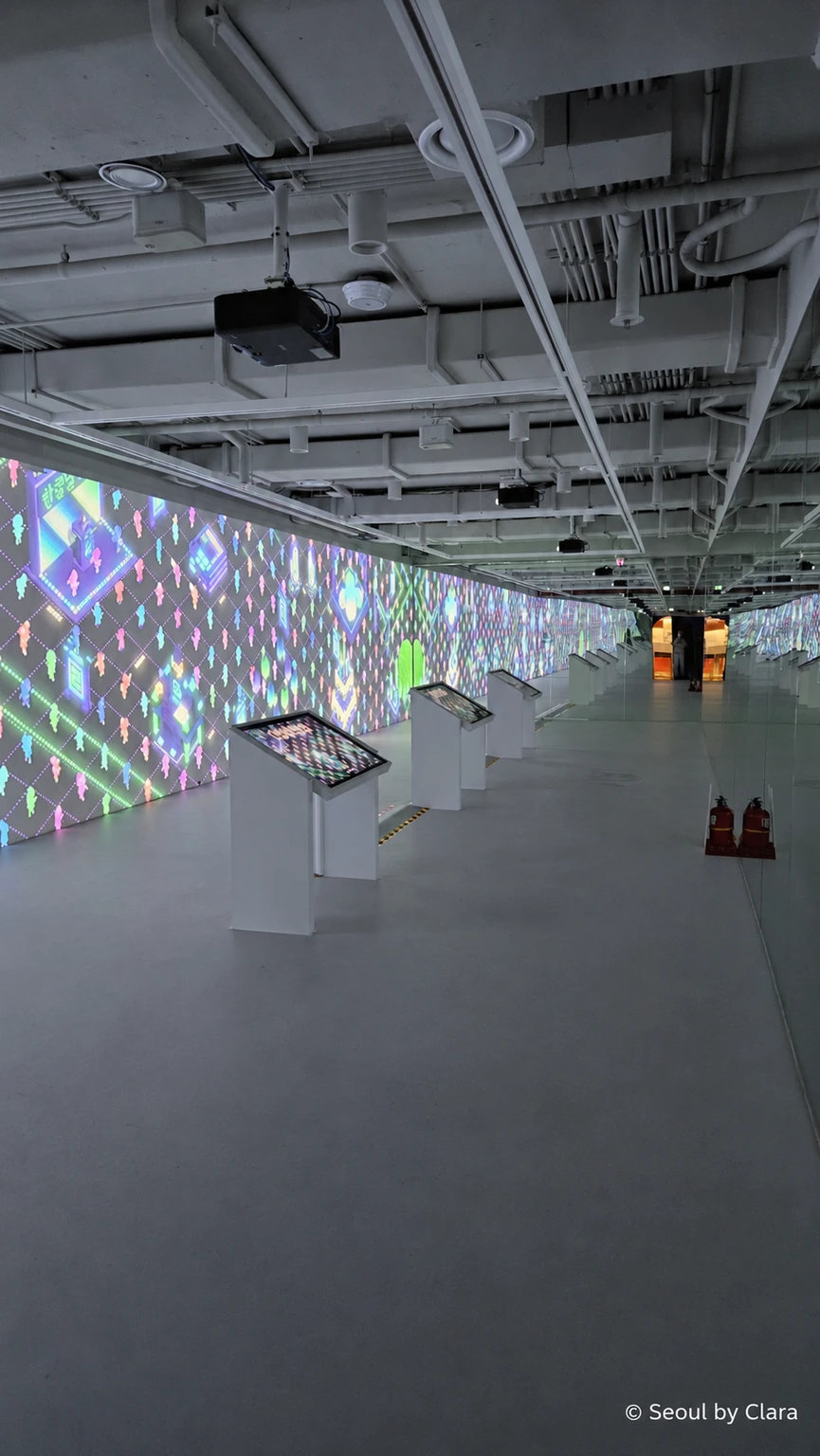
The third floor also has temporary exhibitions, so what you see there might be completely different from the photos I've included below. But the fifth-floor History Gallery is a permanent exhibition, so that's the part I'd especially recommend.
And even if you're not planning to spend much time exploring the exhibitions, there's another reason to stop by!
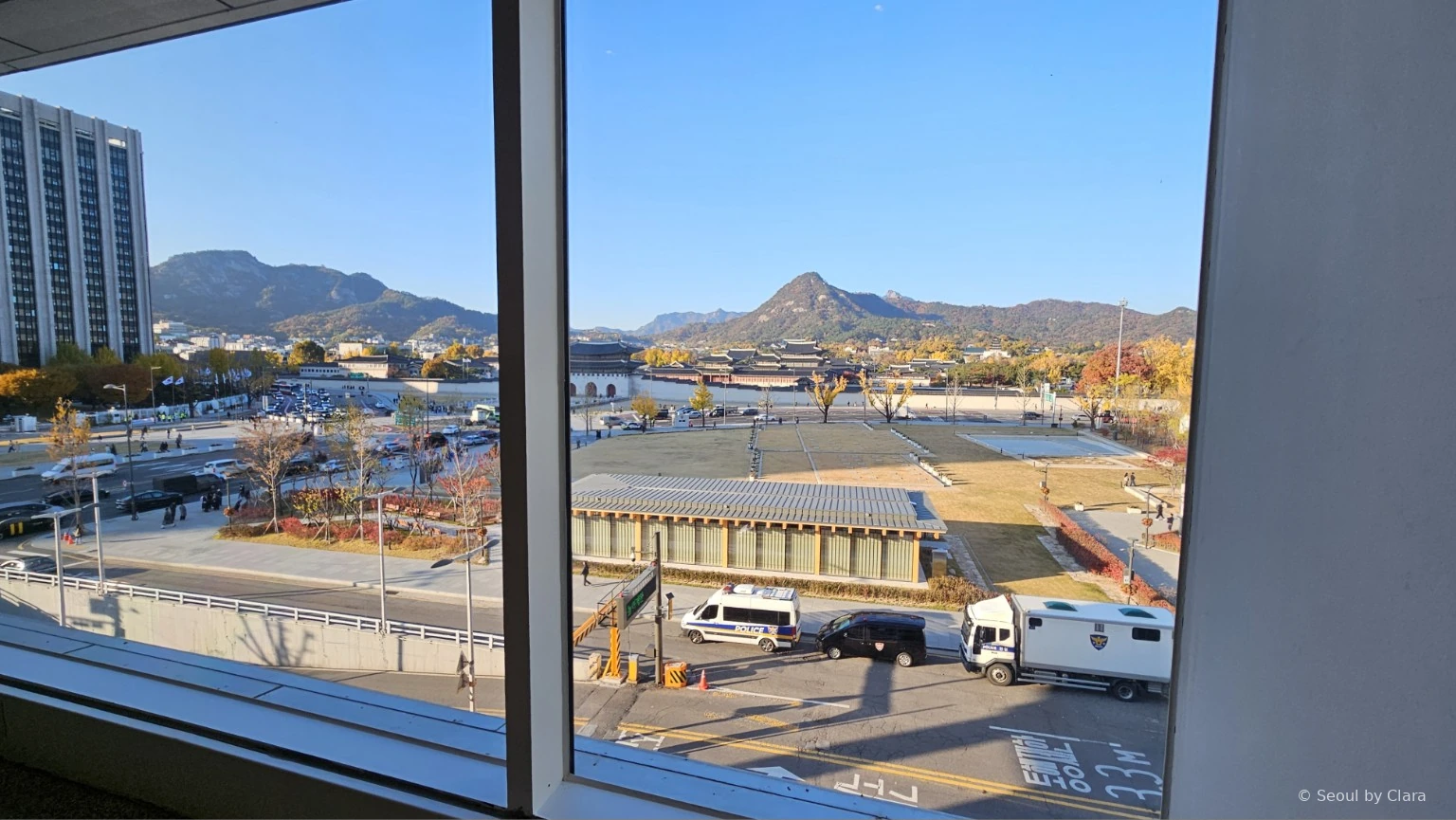
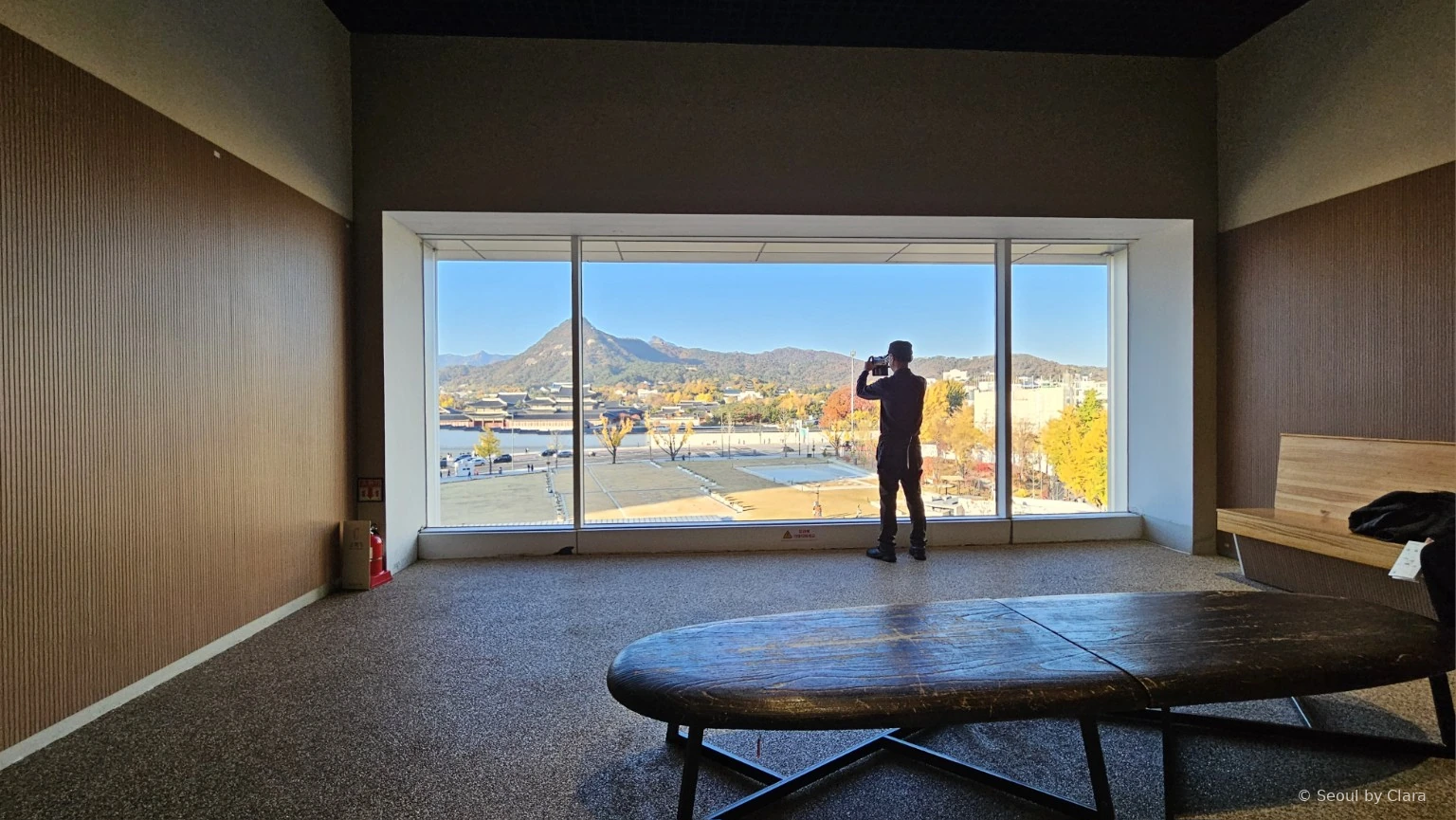
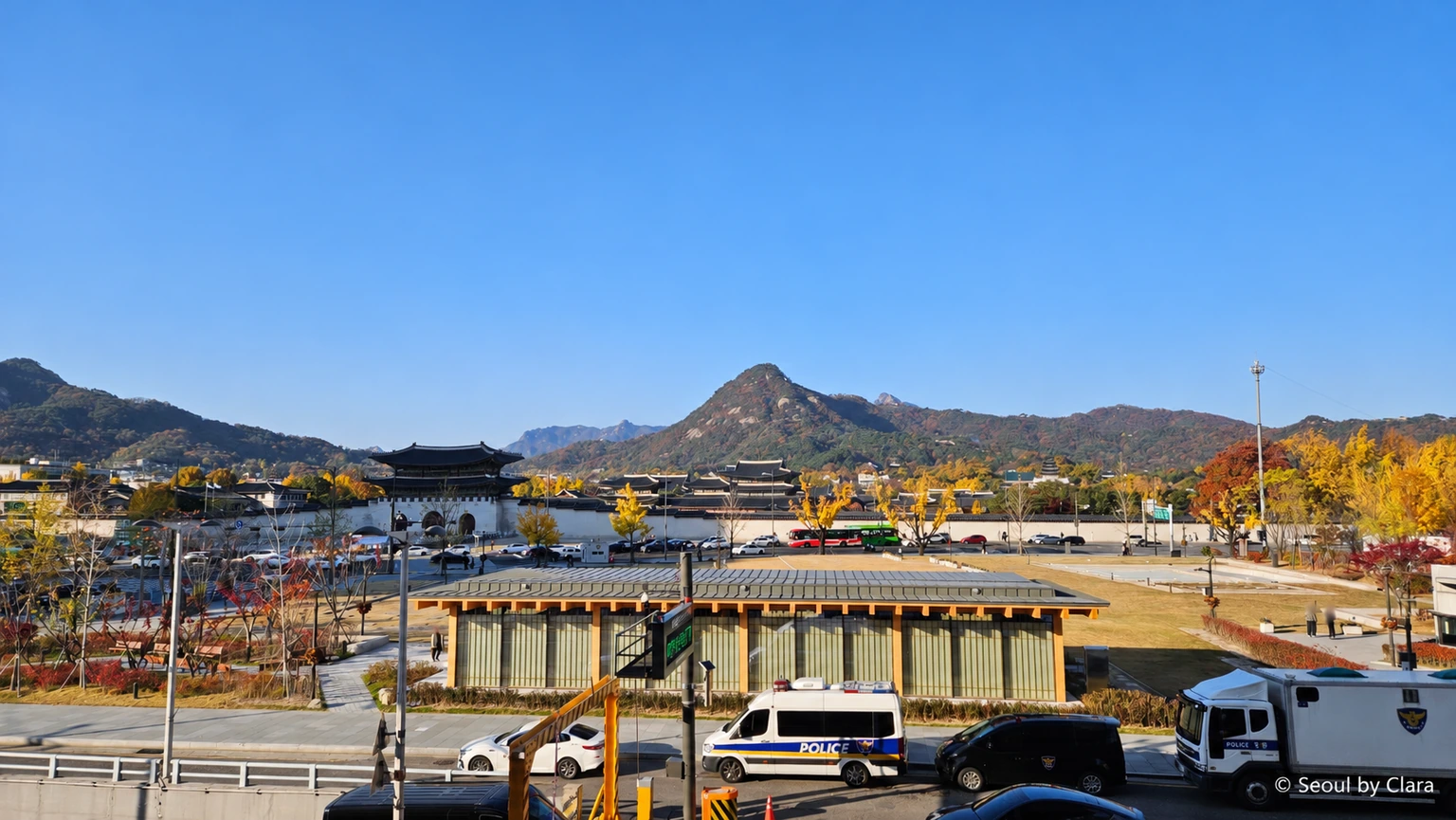
There's a rooftop garden on the eighth floor with a lovely view of Gyeongbokgung Palace and Gwanghwamun Square. It's a great little spot to look out over this historic part of Seoul.
What I find funny is that I'd passed this building so many times without realizing what was inside. And now that I've finally visited, I'm really glad I did.
If you're interested in understanding how Korea became the country you see today, I really recommend spending some time here. It's not just a collection of historical facts and photographs. For me, it was a chance to see how much this country has been through, how quickly it has changed, and how much of that history still shapes our lives today.
Nearby
- A third-floor museum café with terrace seating and a view toward Gyeongbokgung.Photo coming soon
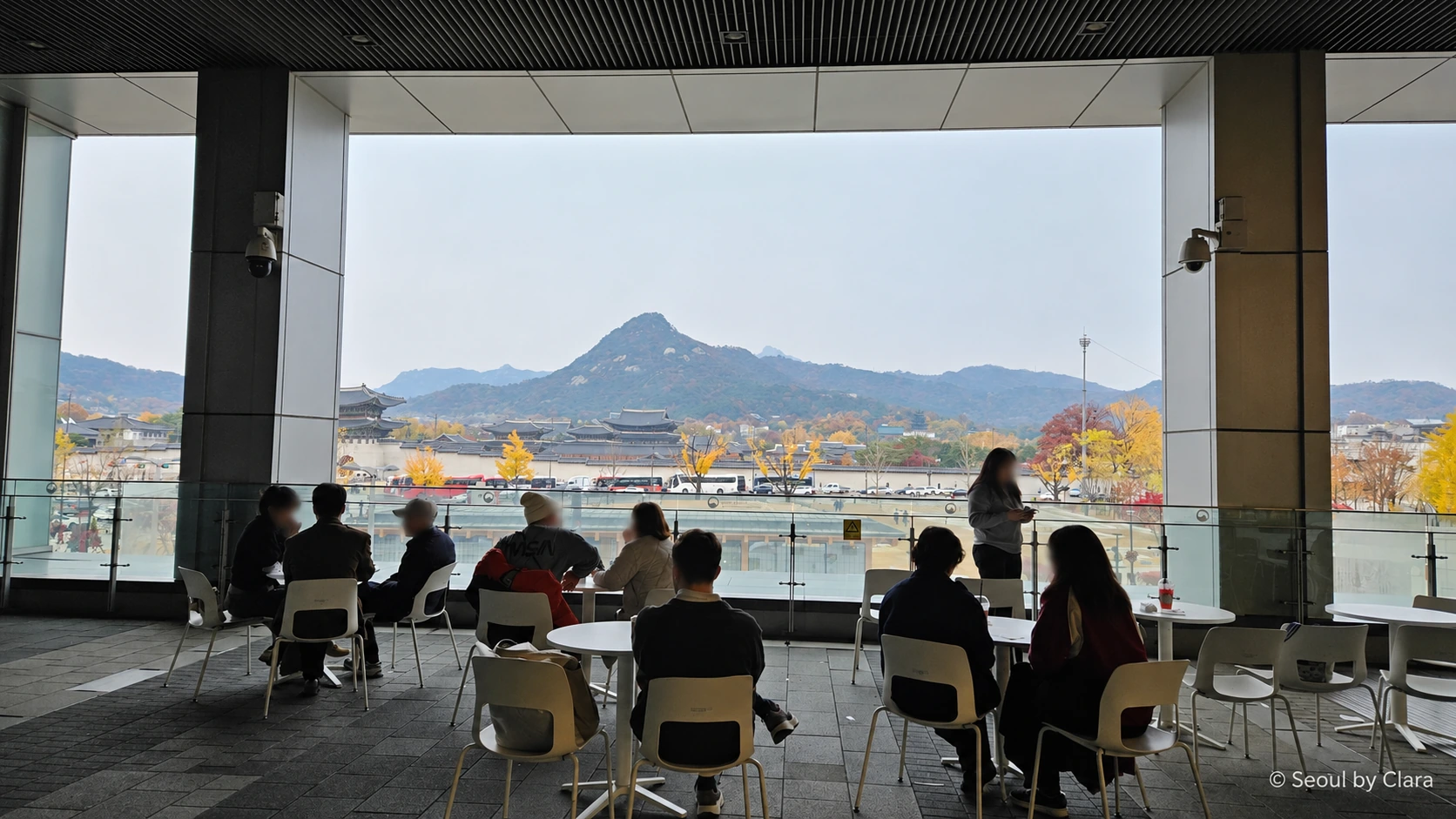
I Got Everything Café (Korean History Museum)
- An eighth-floor terrace looking out over Gyeongbokgung and Gwanghwamun.Photo coming soon
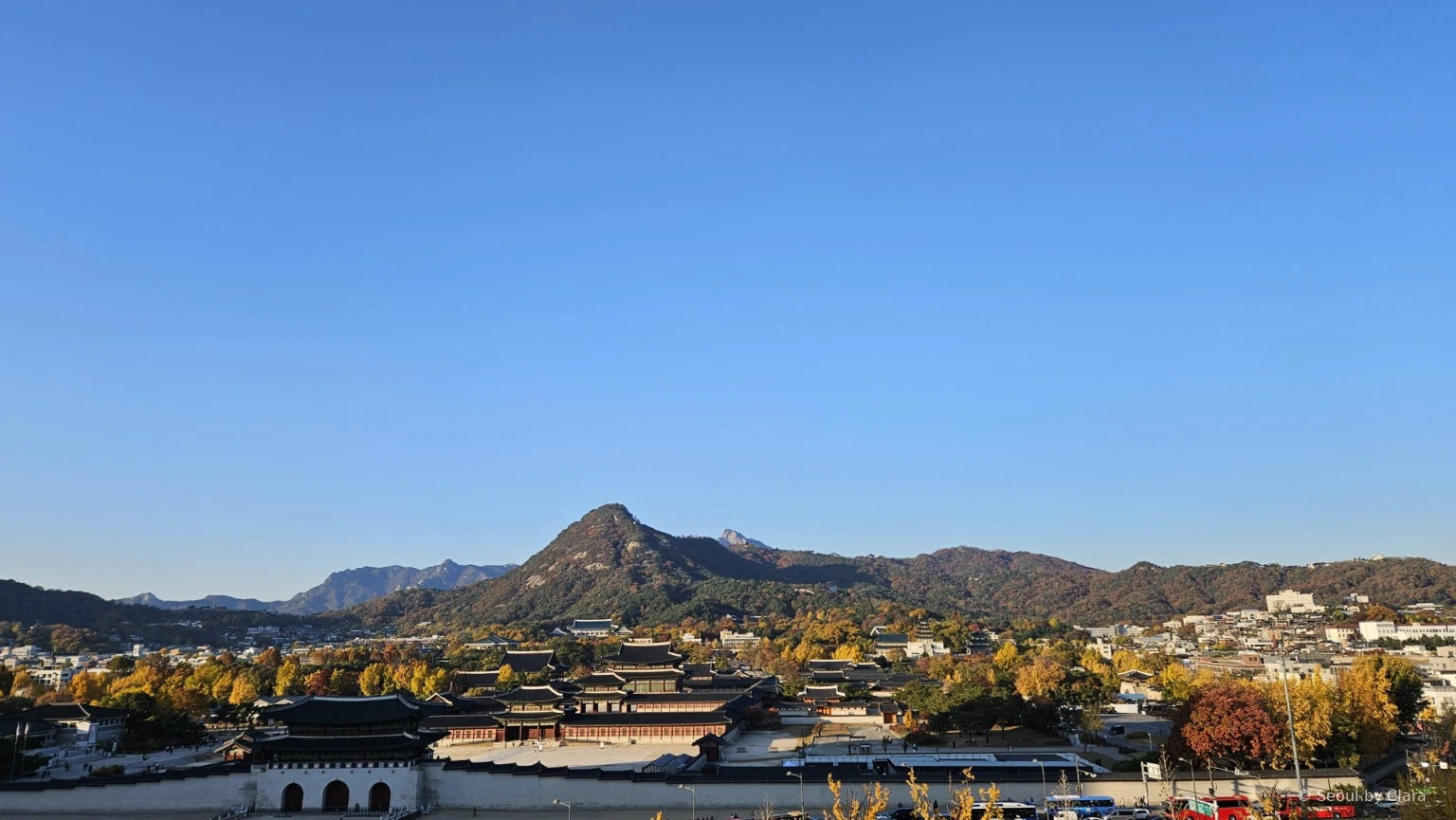
Korean History Museum Rooftop Garden
- King Sejong and Admiral Yi Sun-sin anchor a broad civic square, with palace gates and Bugaksan lining up beyond the city buildings.Photo coming soon
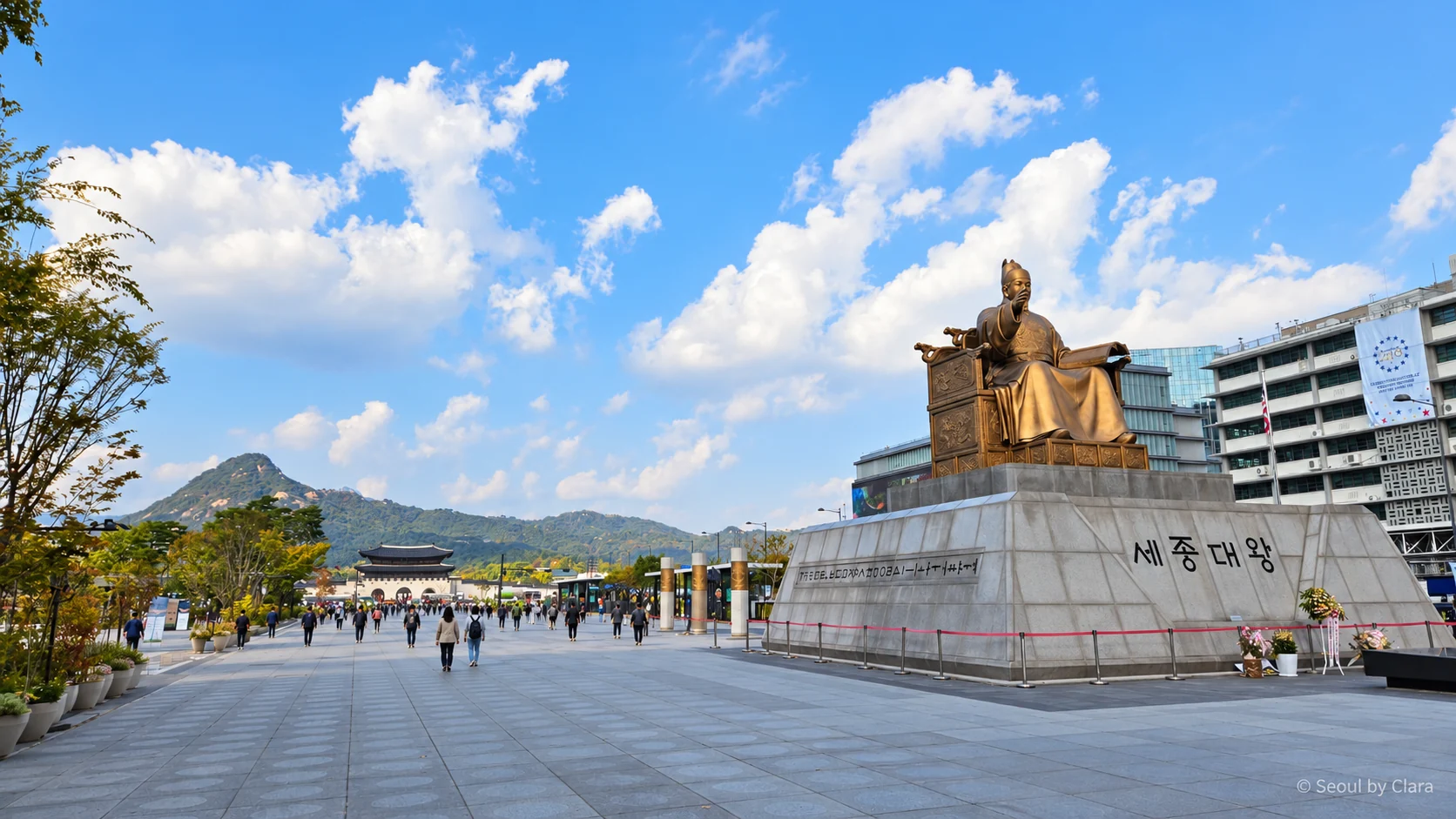
Gwanghwamun Square