Jogyesa Temple
Overview
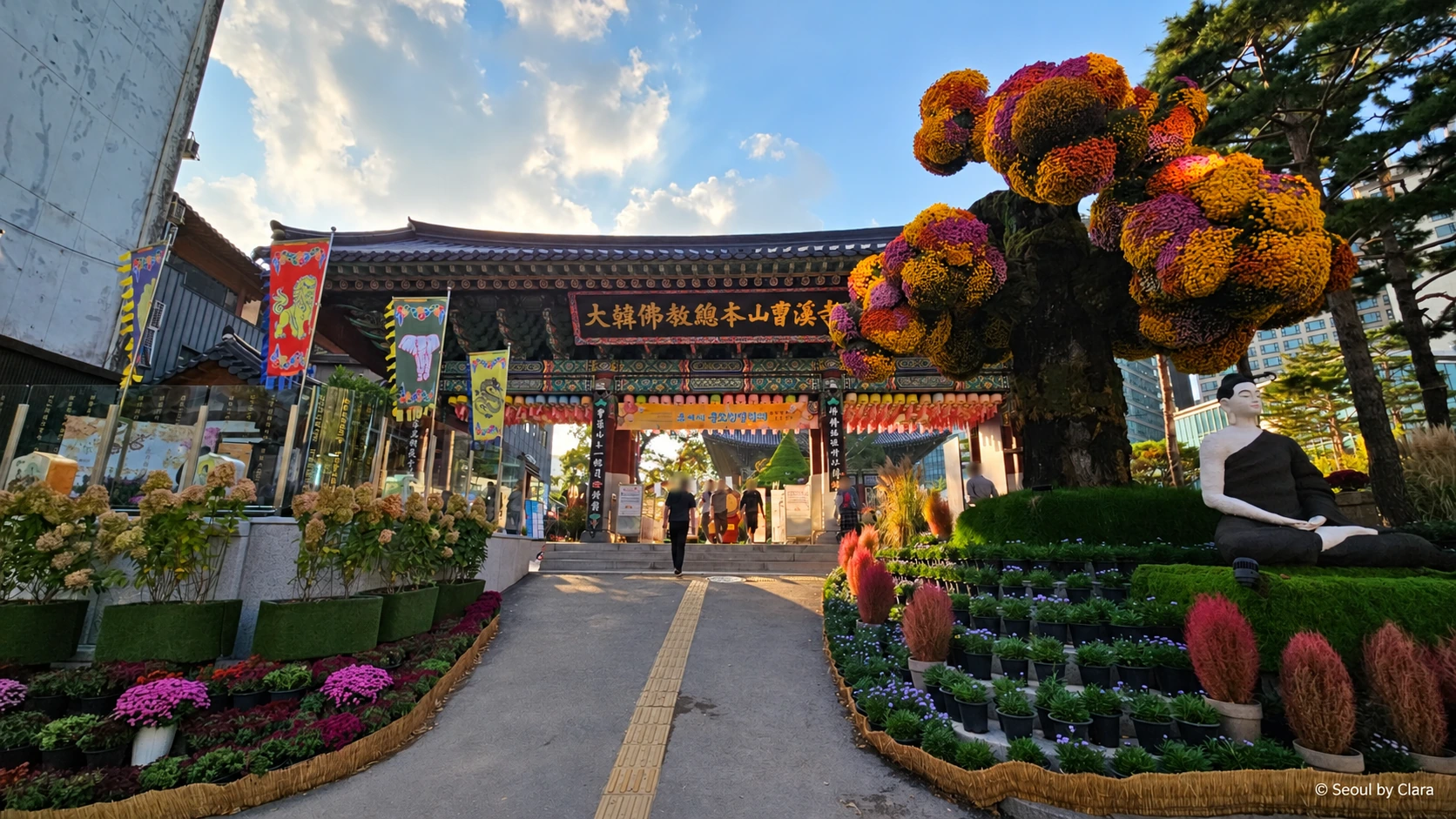
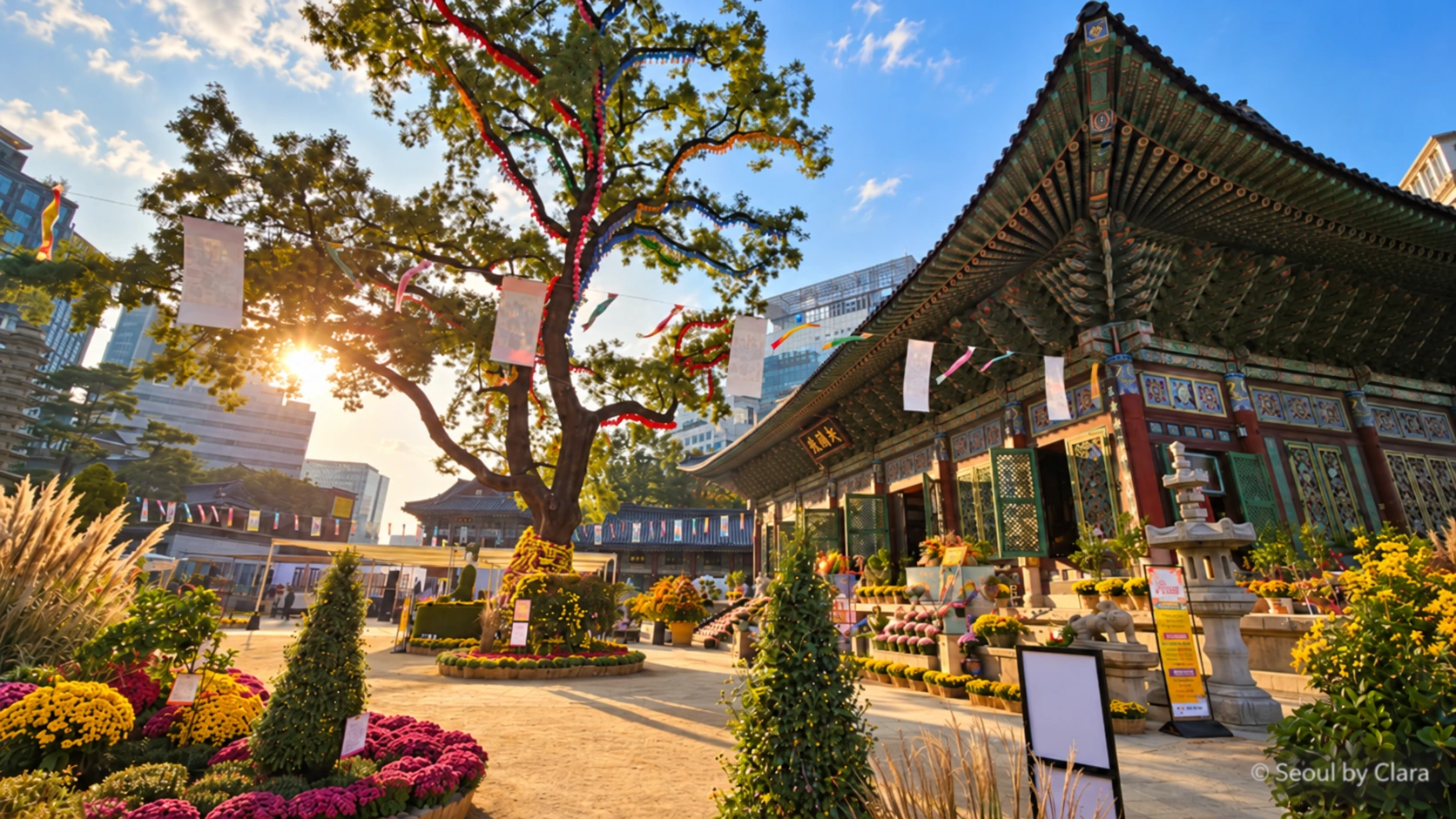
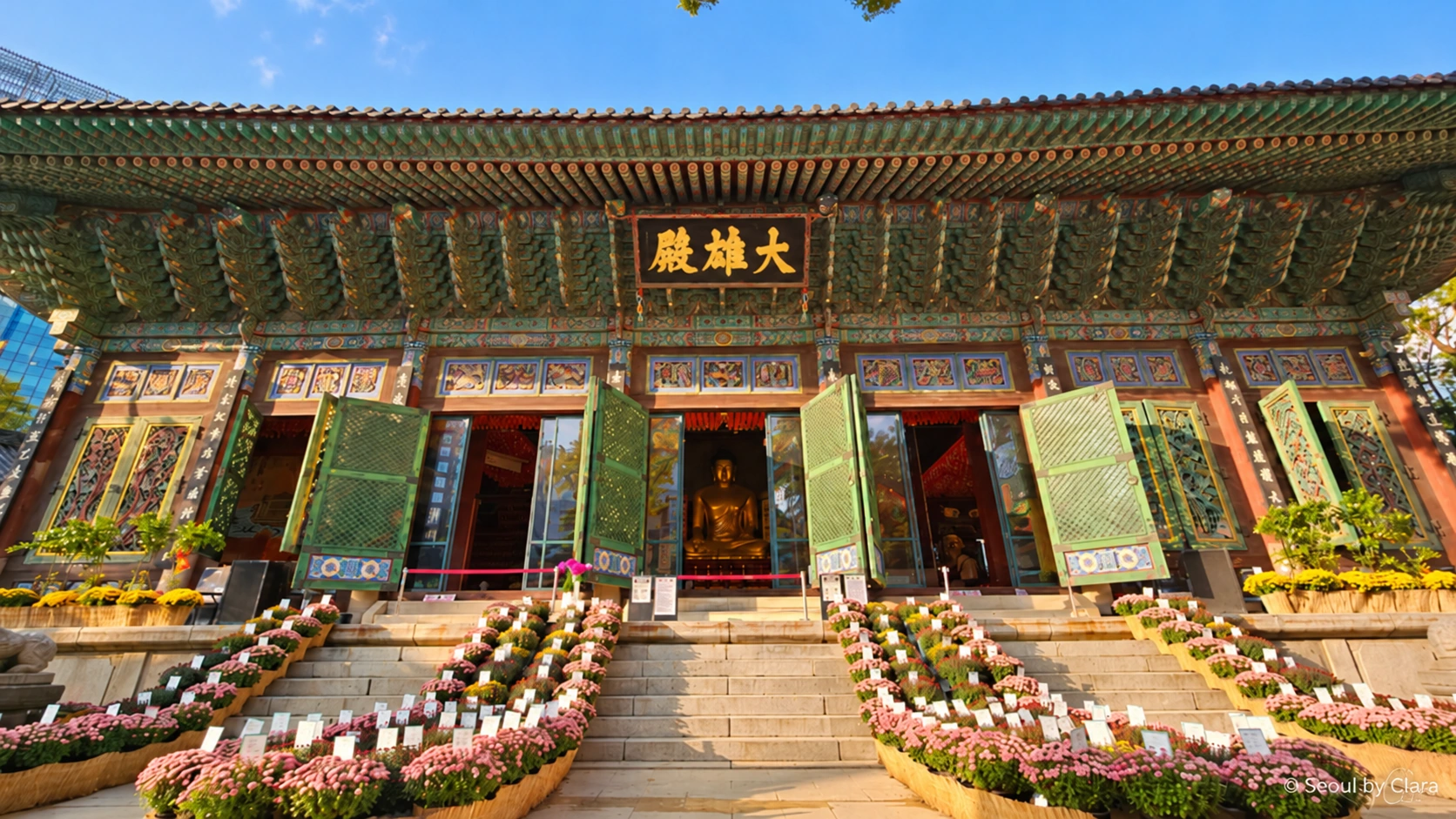
Jogyesa is the headquarters temple of the Jogye Order of Korean Buddhism in Jongno. Its main hall, Daeungjeon, has painted wooden eaves and houses three large Buddha statues. The temple grounds include a courtyard shaded by mature trees.
Clara's Note
Jogyesa Temple is actually one of my favorite temples in Seoul. I've always been interested in Buddhism, and whenever I feel like visiting a temple, Jogyesa is one of the places I like to go.
One thing I really appreciate about this temple is how easy it is to visit.
Many Buddhist temples in Korea are tucked away in the mountains, which can make getting to them a bit of a journey. But Jogyesa is right in the middle of Jongno, in central Seoul. You don't have to travel far or hike up a mountain to enjoy the peaceful atmosphere of a Buddhist temple.
And Jogyesa isn't just any temple. It's the headquarters of the Jogye Order, the largest order of Korean Buddhism. So when I say it's an important temple, I don't necessarily mean that it's the biggest in terms of physical size. I mean that it holds a particularly significant position in Korean Buddhism.
I've actually attended Dharma talks here a couple of times through the temple's young adult Buddhist community. On some weekends, well-known monks come to give talks in the main hall, and I remember leaving with so many good things to think about. I really appreciated the wisdom they shared.
But here's something I want you to know: you don't have to be Buddhist to enjoy visiting Jogyesa.
The temple often has different displays and activities in its courtyard. I remember seeing beautiful lotus flowers during one visit, and when I went back more recently, there were displays featuring the twelve animals of the traditional East Asian zodiac.
So even if you're simply curious about Korean Buddhist culture, there's often something interesting to see.
And if you visit, I'd especially recommend taking a look at Daeungjeon, the temple's main Buddha hall.
Inside, there are three enormous Buddha statues, and they're genuinely impressive. The first time you see them, I think you'll be surprised by just how grand they are. There's something about the scale of the statues and the atmosphere of the hall that makes the space feel quite special.
You can step inside when it's open to visitors, as long as you're respectful of anyone praying or taking part in a religious service. I've even seen international visitors sitting quietly inside, simply taking in the atmosphere.
But if you don't feel comfortable going into the main hall, that's perfectly fine, too.
There are benches in the courtyard facing Daeungjeon, and I think sitting there for a while is lovely in its own way. You can admire the temple buildings, watch what's happening around you, or just enjoy a quiet moment.
For me, Jogyesa is a place I like to return to, not just because of its importance in Korean Buddhism, but because I genuinely enjoy spending time there.
So whether you're Buddhist, interested in Korean culture, or simply looking for somewhere peaceful in the middle of Seoul, I'd really recommend stopping by Jogyesa.
You don't need to know much about Buddhism to appreciate the atmosphere. Just come in, take a look around, and enjoy the space in your own way.
Nearby
- Korean crafts, tea houses, and small galleries fill the street and its alleys, with Ssamzi-gil’s winding courtyard walkway adding another layer.Photo coming soon
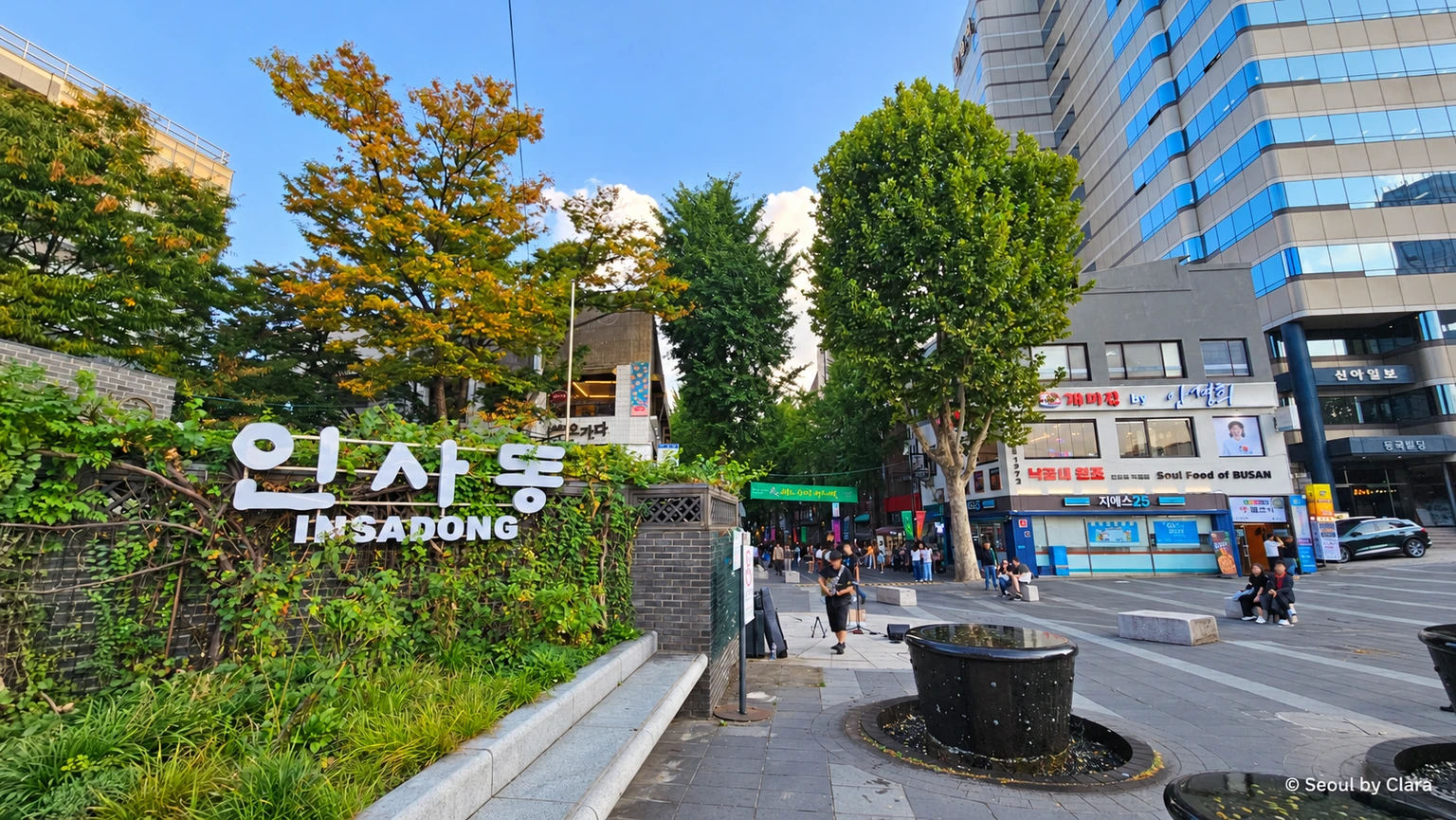
Insadong Cultural Street
- Seasonal flower beds and open lawns leave room for mountain views between Gyeongbokgung and Anguk, amid central Jongno’s dense streets.Photo coming soon
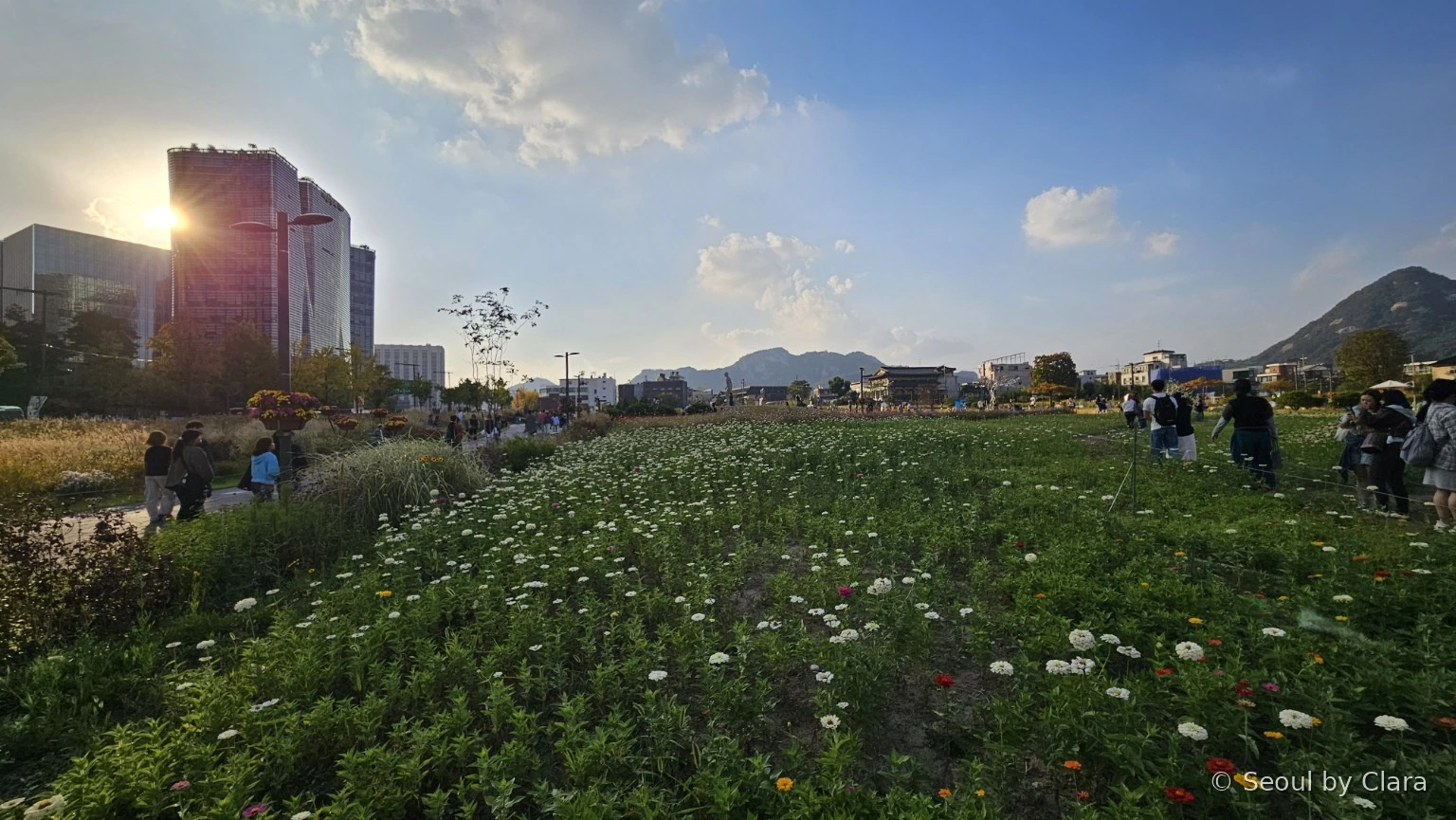
Songhyeon Green Plaza
- Documents, photographs, and everyday objects tracing modern Korean history.Photo coming soon
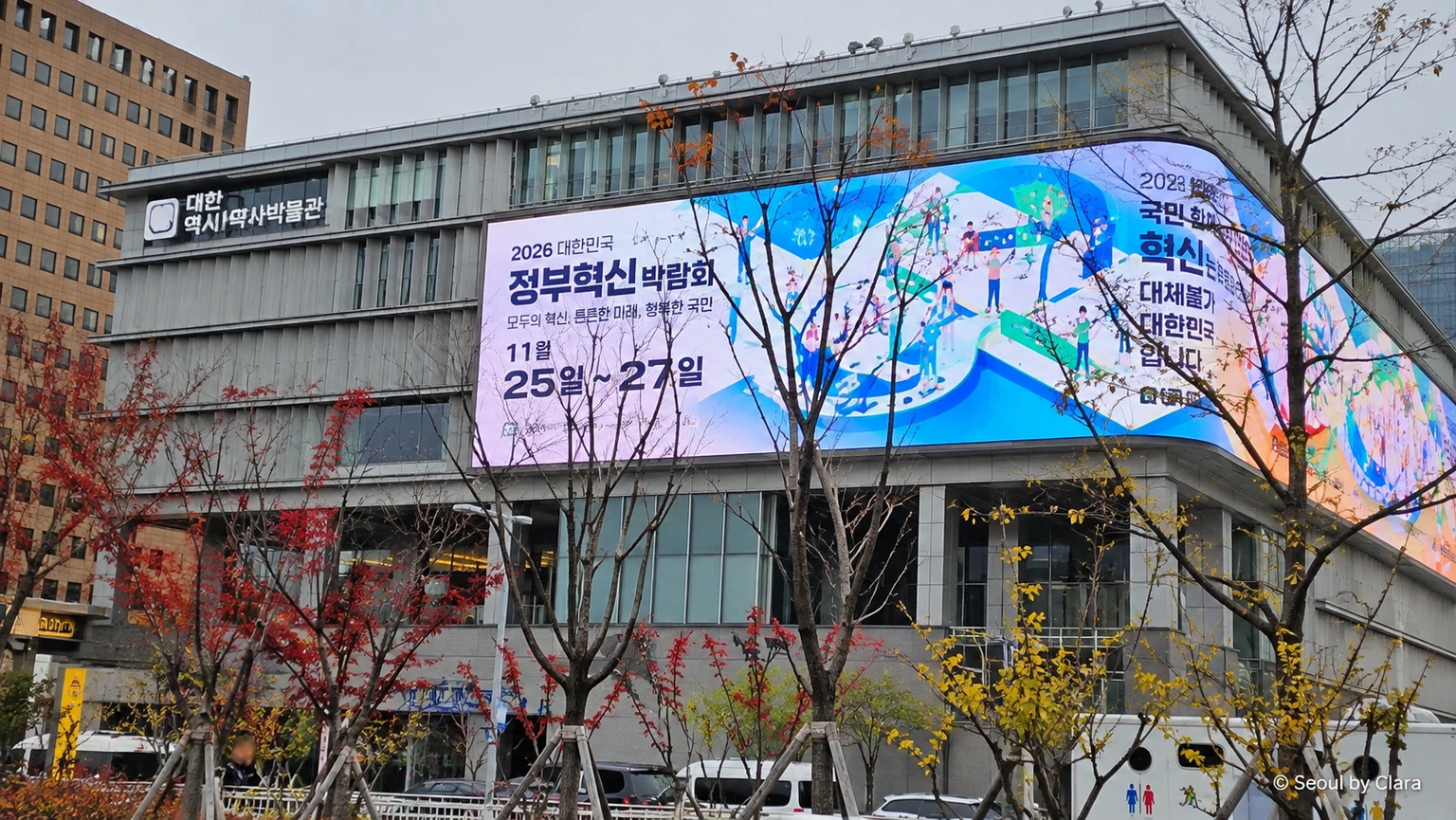
National Museum of Korean Contemporary History