Changgyeonggung Palace
Overview
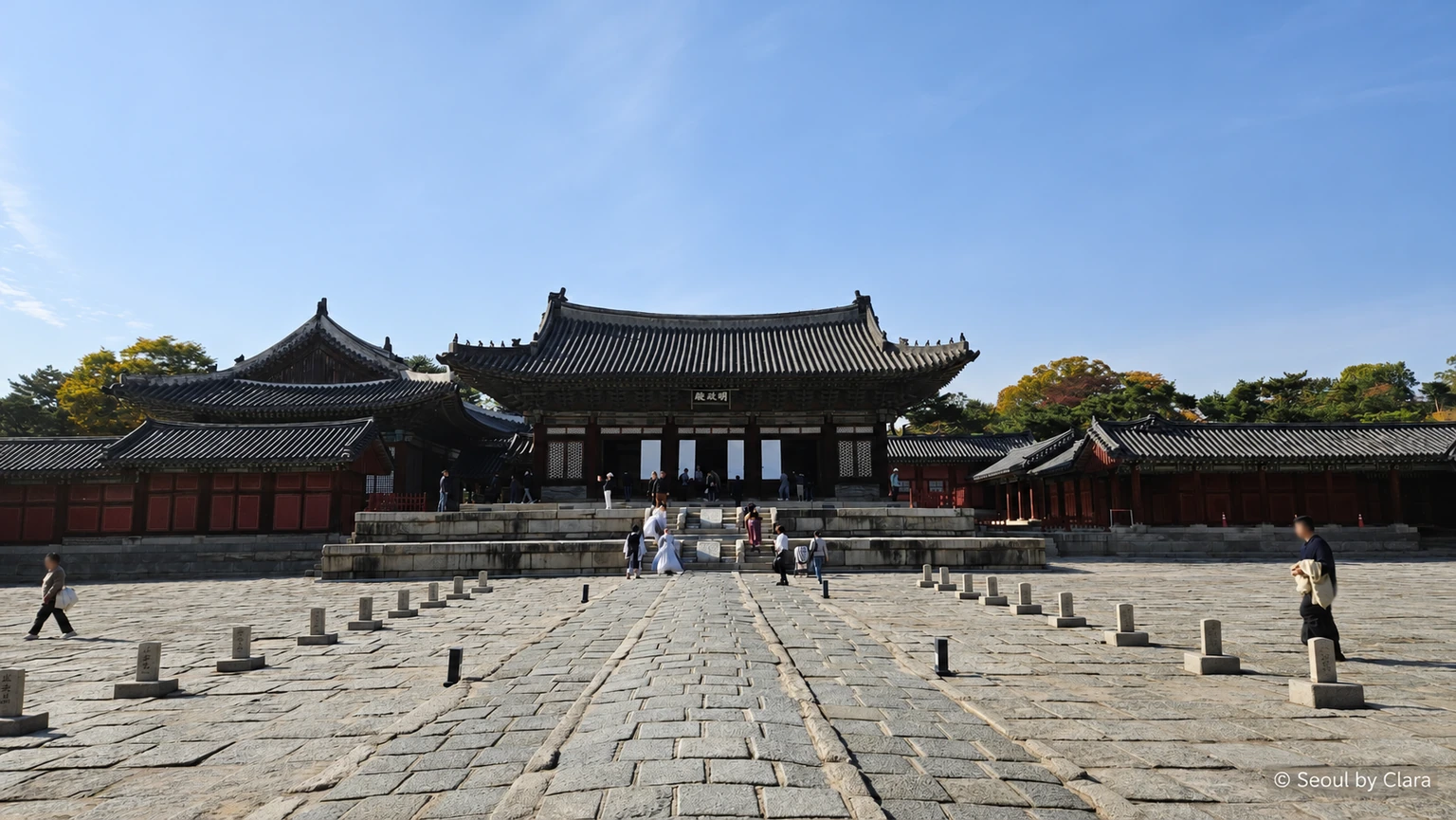
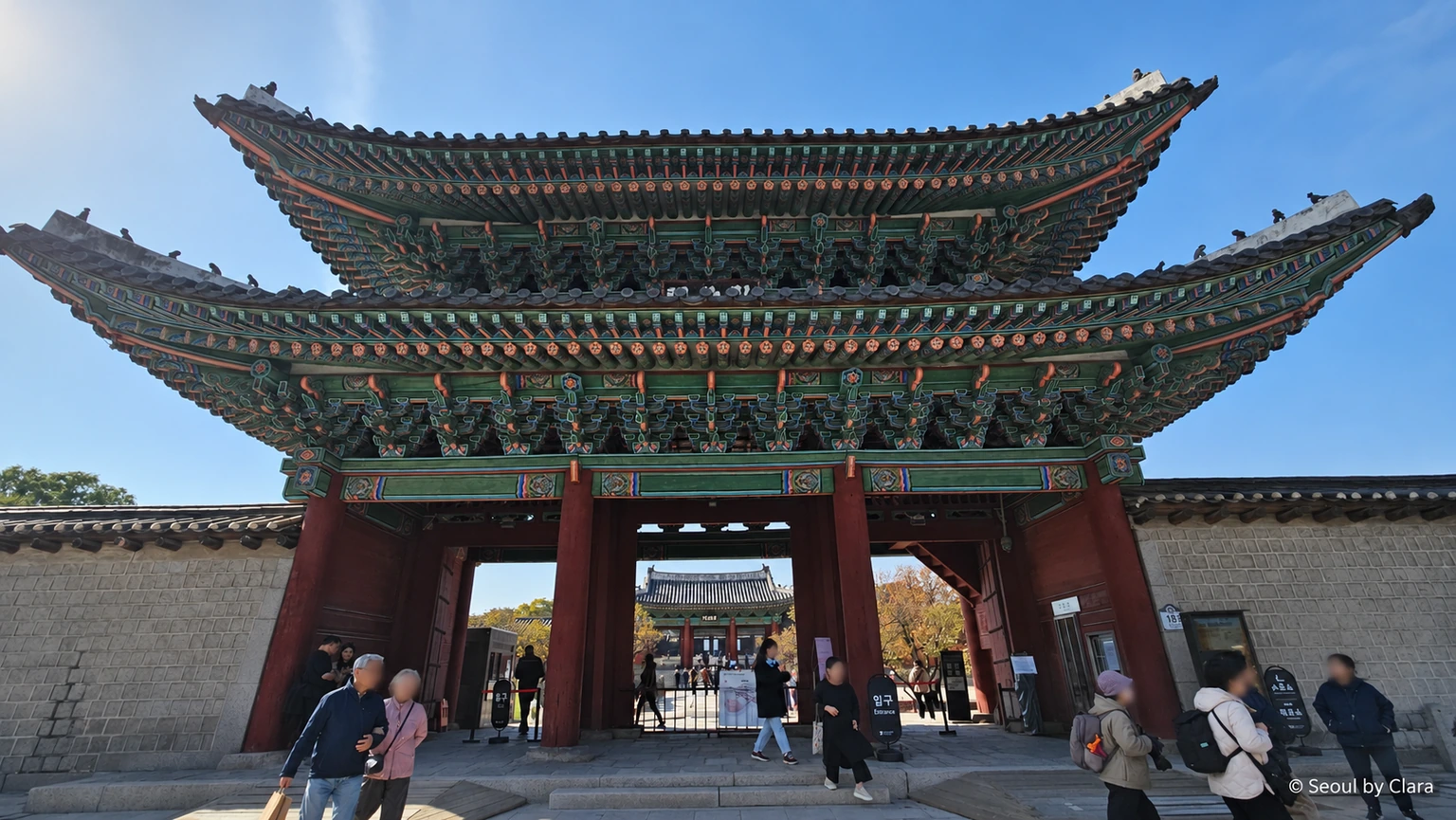
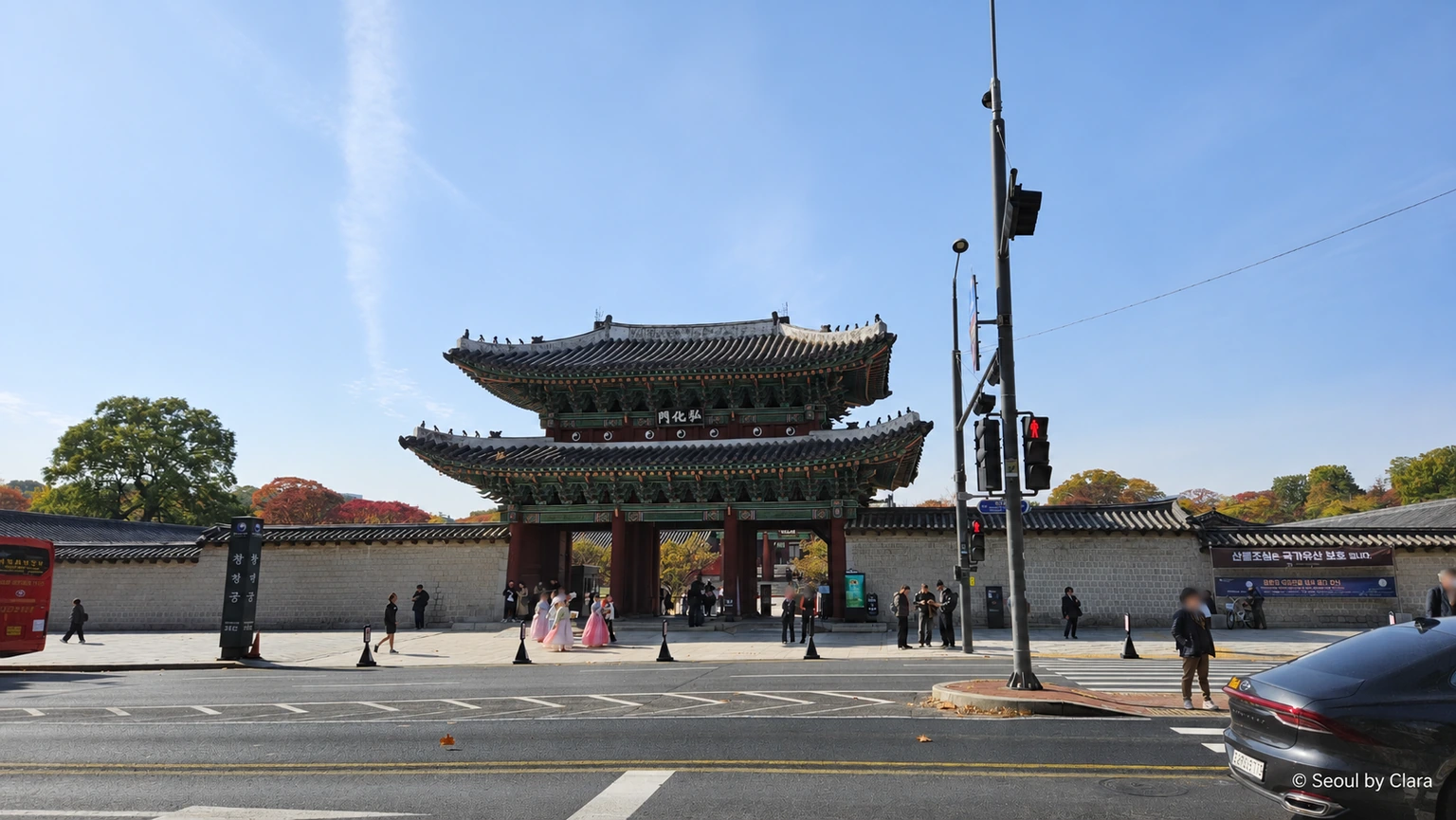
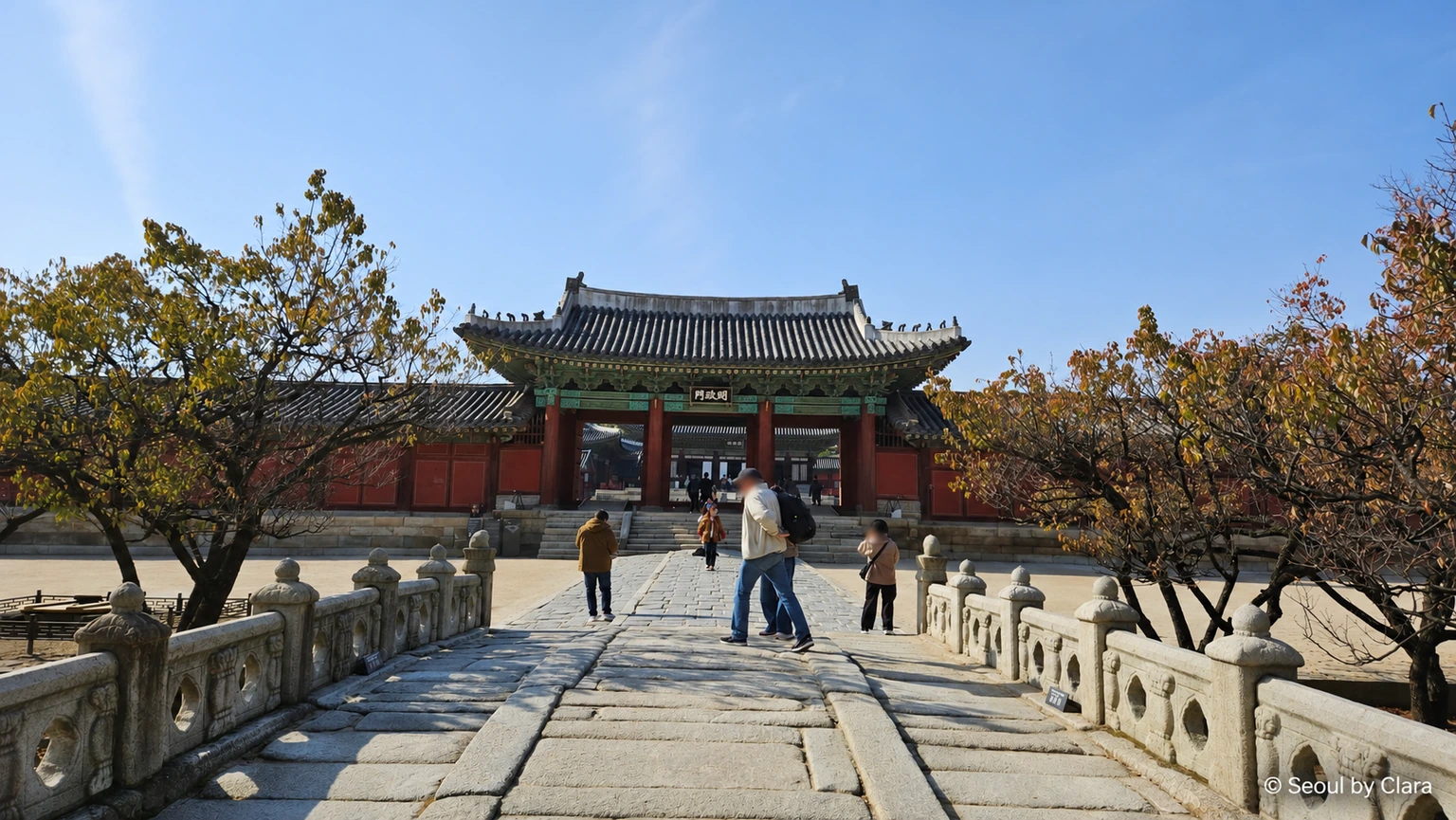
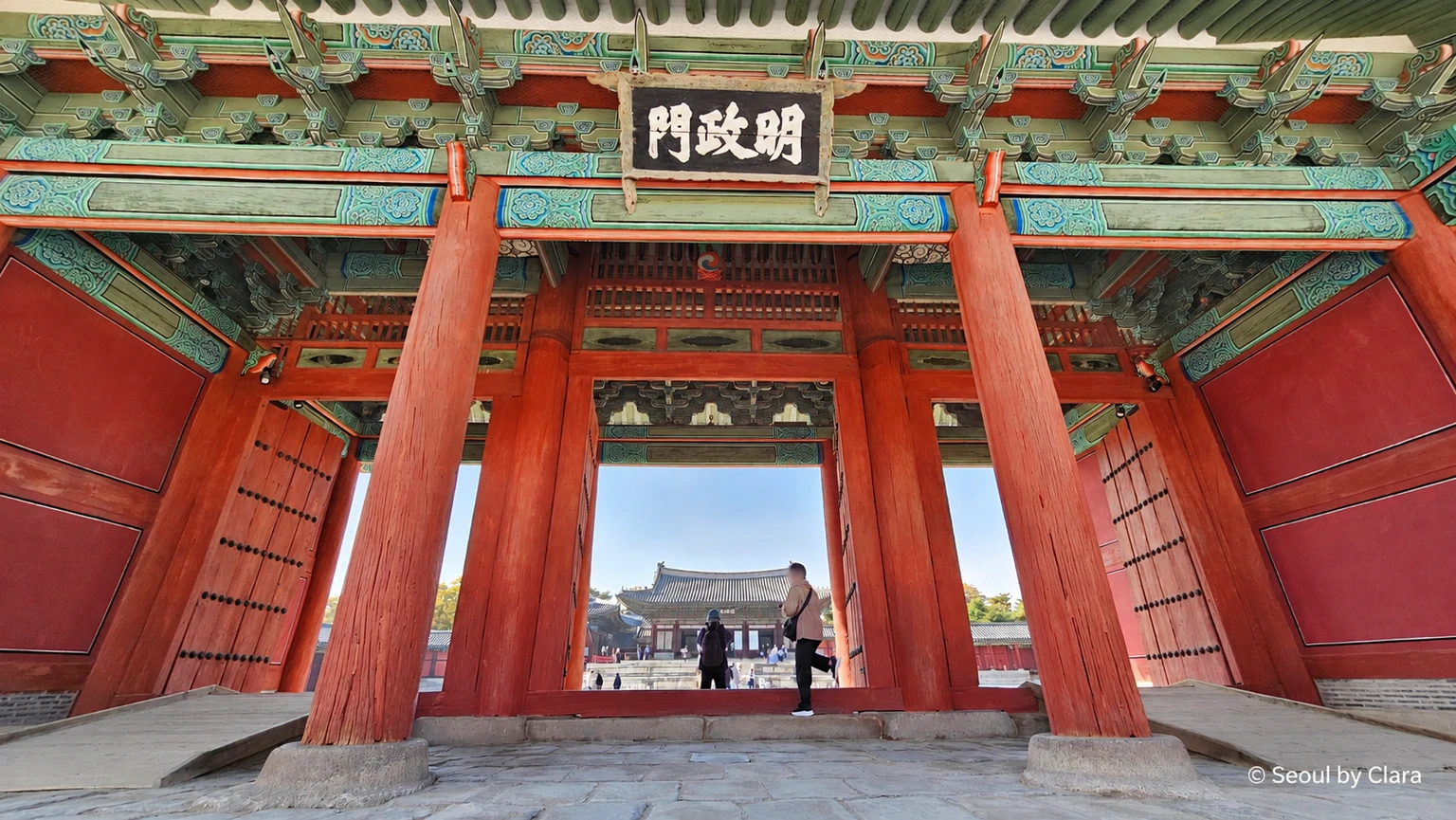
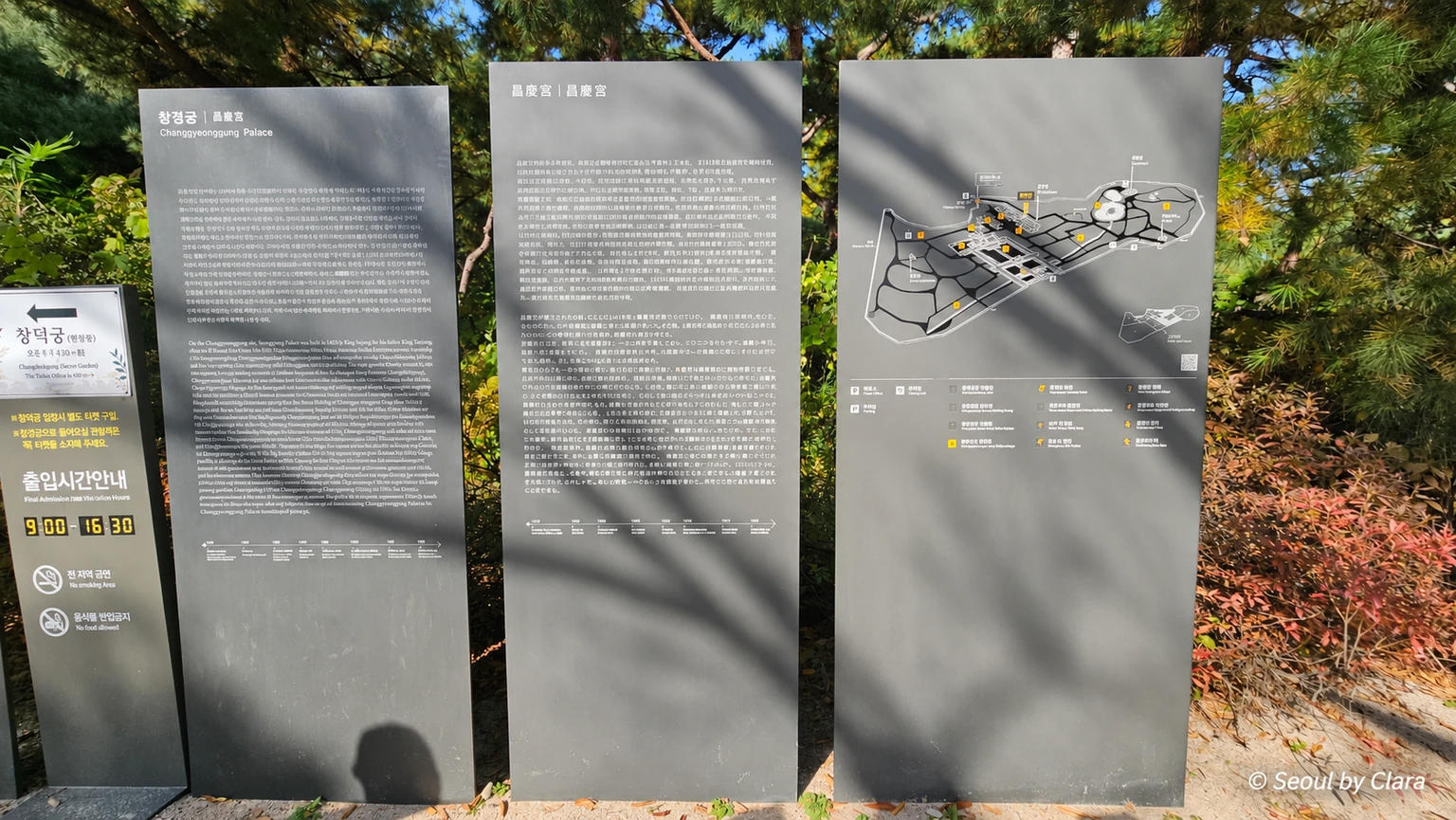
Changgyeonggung is a Joseon palace in Jongno built for members of the royal family. A stone bridge leads from Honghwamun toward the courtyard of Myeongjeongjeon. Chundangji Pond and a glass-and-metal greenhouse stand farther inside the grounds.
Clara's Note
Changgyeonggung Palace is located near Daehangno, and it's also connected to Changdeokgung Palace, so you can easily visit both on the same day. That's actually what I did!
What I found interesting about Changgyeonggung is that it feels a little more like a place where the royal family actually lived, rather than just a grand palace for official ceremonies.
Of course, there were spaces for royal affairs and government business, too. But Changgyeonggung was especially known for its residential role, with many buildings used by queens, royal family members, and their households.
And I think you can actually feel that difference when you walk around.
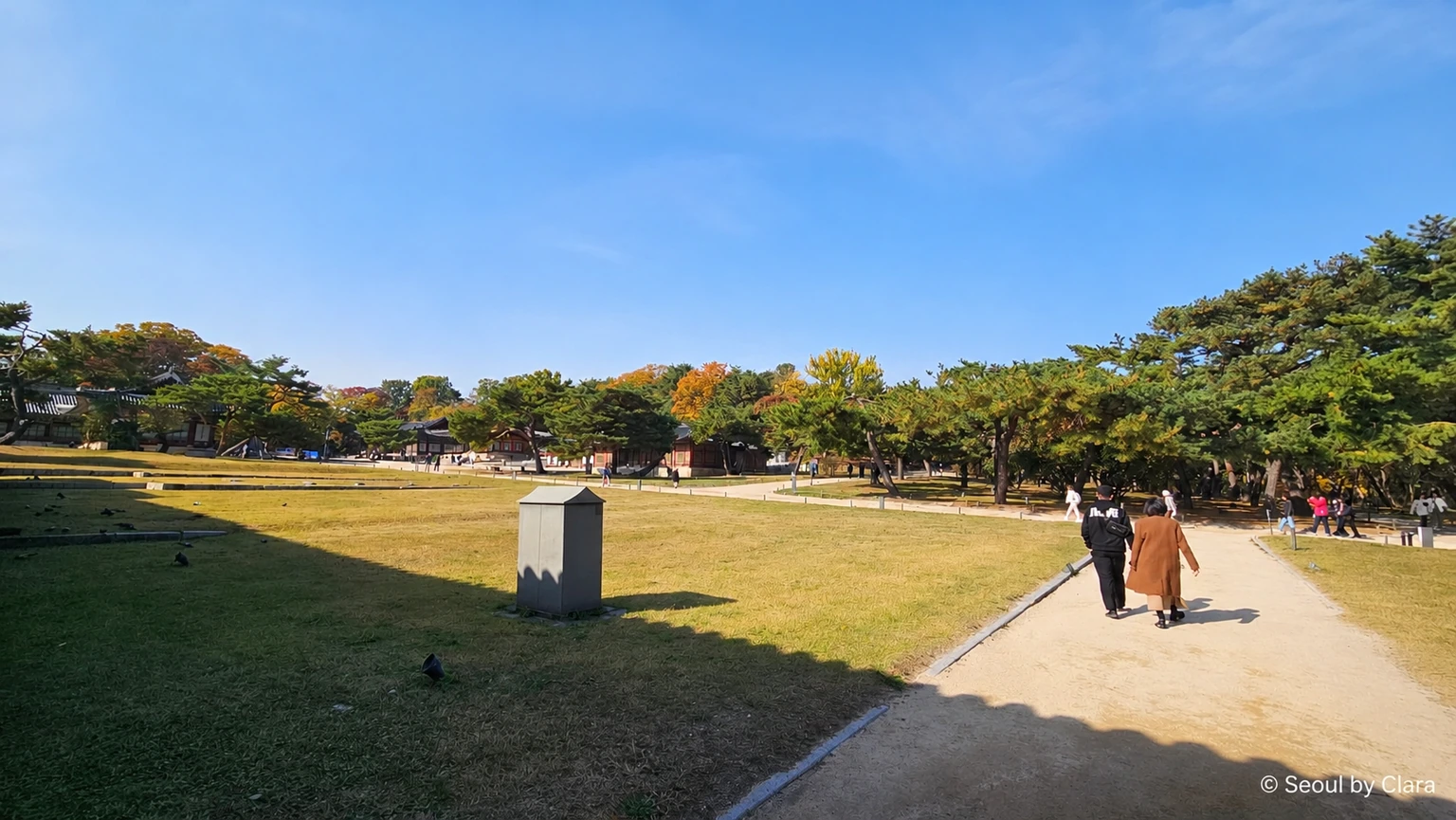
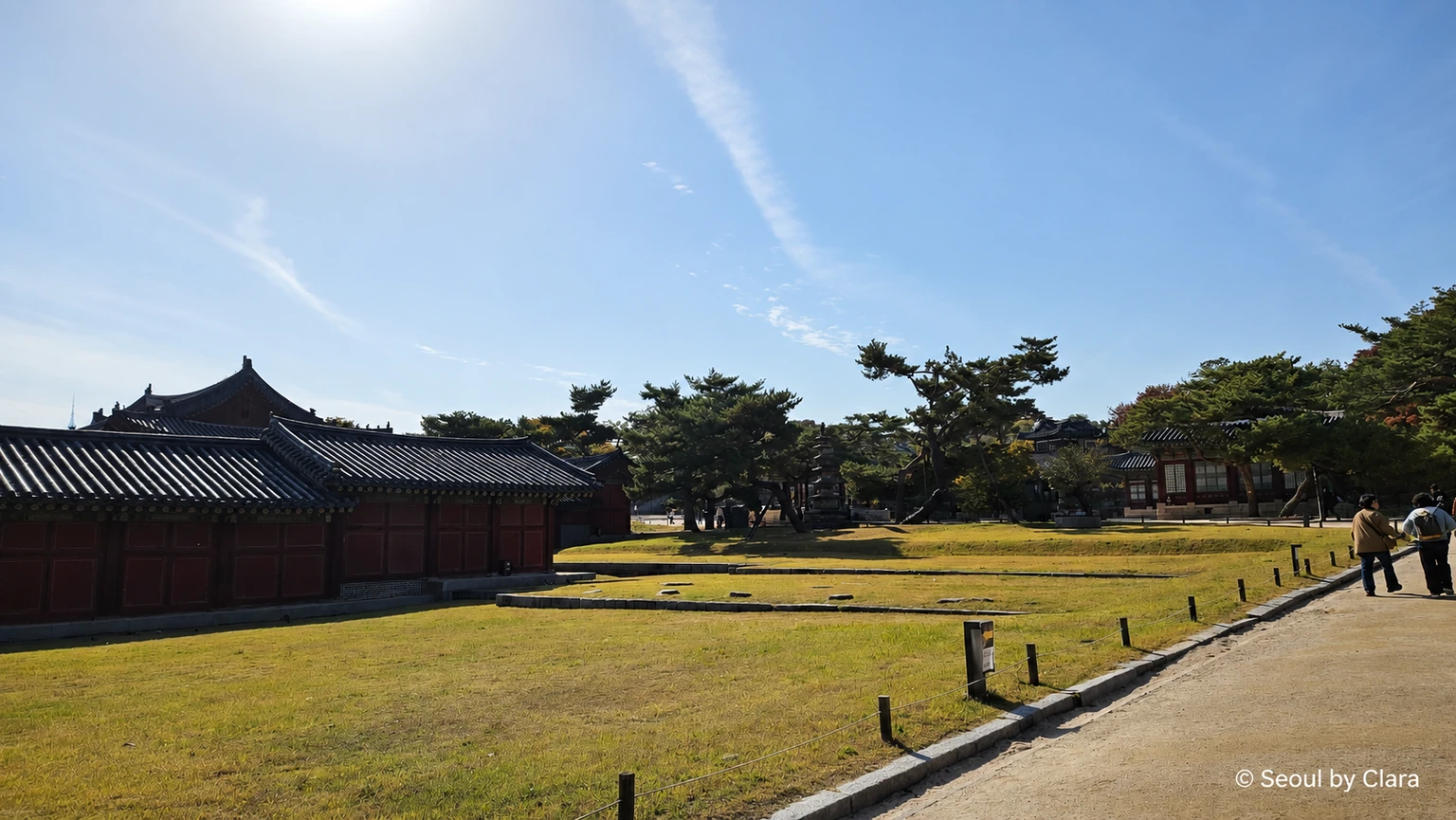
Compared to the grand, open spaces of Gyeongbokgung, Changgyeonggung felt a little more intimate to me. The buildings and courtyards gave me a sense of everyday life within the palace, rather than just the formal side of royal life.
There's also something quite unusual about its layout. Unlike most Joseon palaces, which face south, Changgyeonggung's main gate and main hall face east. I thought that was an interesting little detail!
But Changgyeonggung also has a rather sad history.
During the Japanese colonial period, the palace was stripped of much of its royal character and turned into a public park with a zoo and botanical garden. In 1911, it was even renamed Changgyeongwon, losing the word gung, which means palace.
I find that quite heartbreaking. Imagine a royal palace being transformed into a zoo and losing its original identity.
Thankfully, the palace regained its original name in 1983, and restoration work began to bring back its historic appearance. The zoo was relocated, and the restored palace reopened in 1986.
So when you visit today, you're also seeing a place that has gone through a long process of recovering its history.
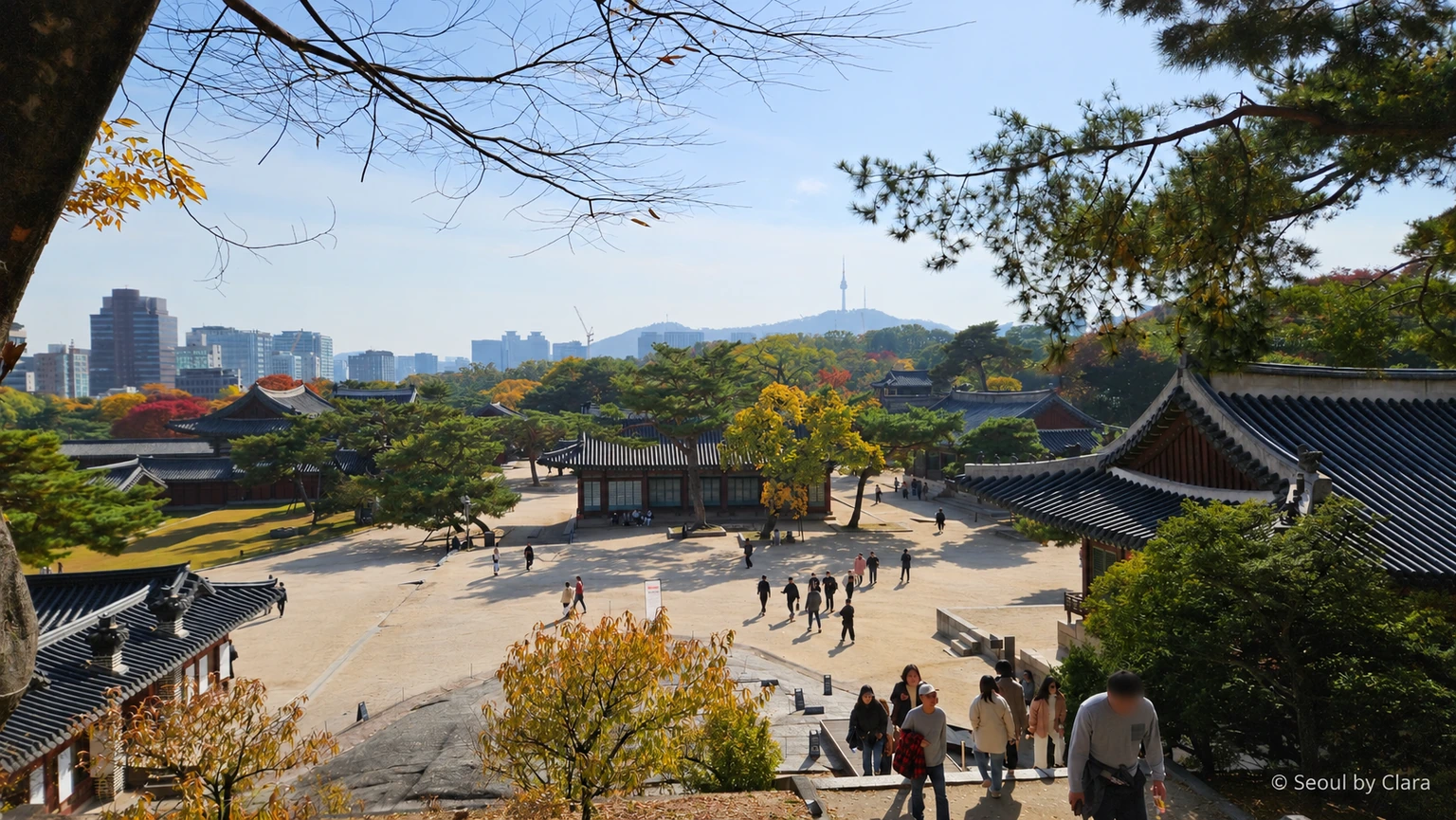
And there's one more thing I really want to tell you about: the view from the higher parts of the palace grounds.
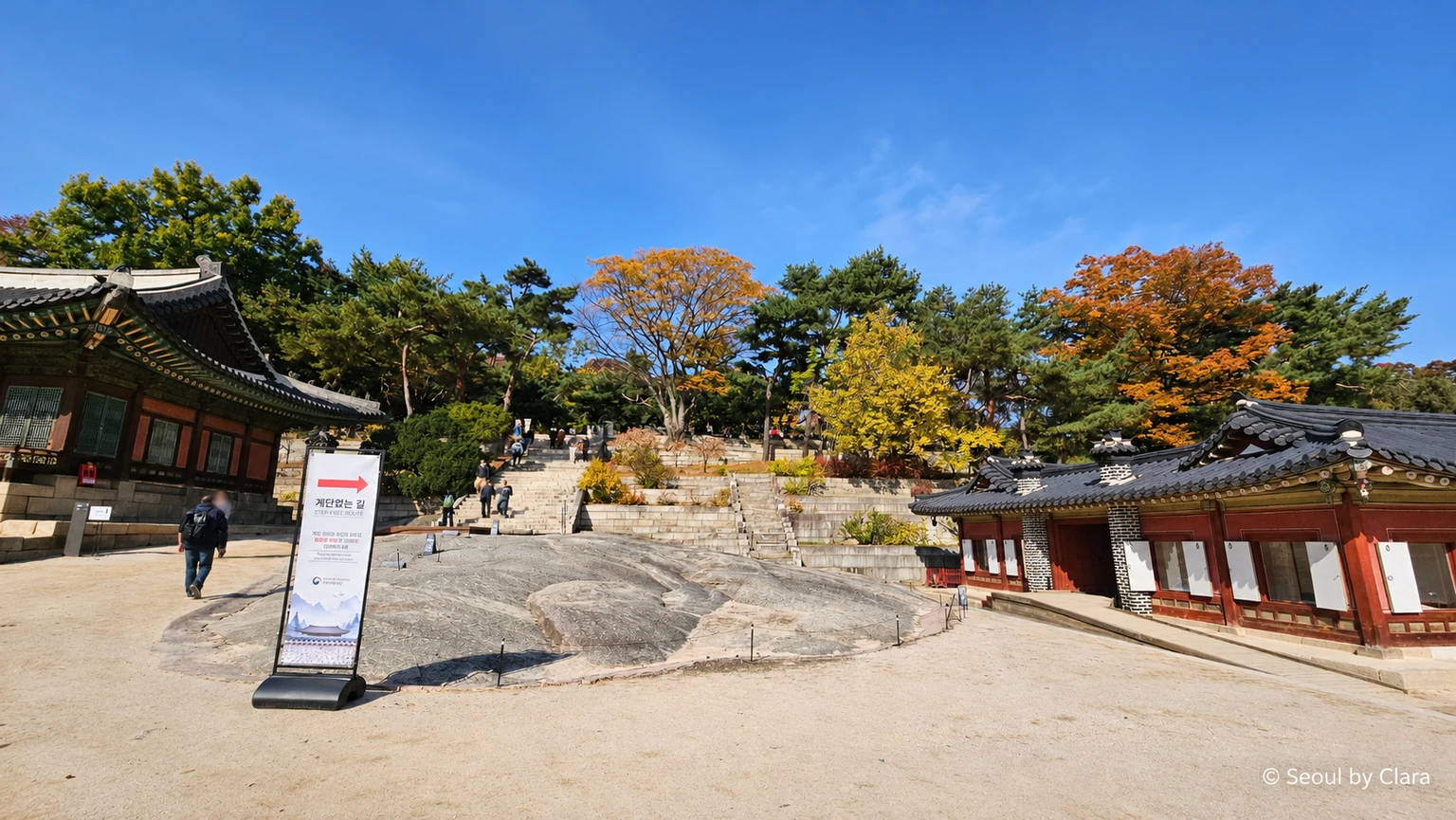
When I visited, I walked up a small hill and suddenly found myself looking out over Seoul. I could see N Seoul Tower in the distance, with traditional tiled rooftops, trees, and the city skyline all coming together.
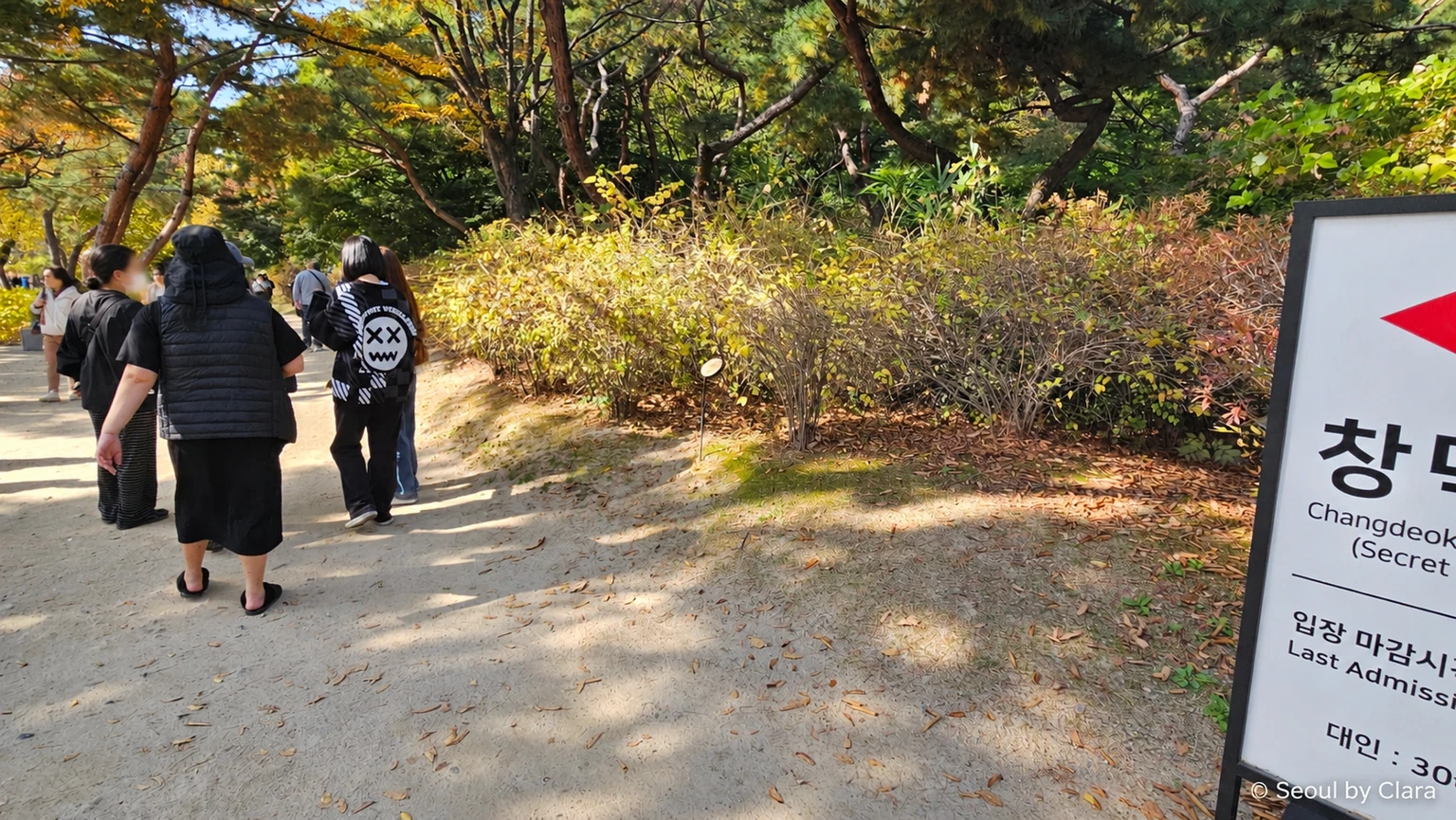
It was autumn when I visited, so the trees were turning all kinds of beautiful colors. The red, orange, and yellow leaves, the palace rooftops, and the modern city in the background made such a lovely scene.
I honestly hadn't expected that view, and it ended up being one of my favorite parts of the visit.
If you're planning to visit Changdeokgung Palace, I'd really recommend including Changgyeonggung as well. The two palaces are connected, although they have separate admission requirements, so it's worth checking before you go.
For me, Changgyeonggung has a different kind of charm from Seoul's more imposing royal palaces. It feels a little more personal, with spaces that remind you of the everyday lives of the people who once lived here.
And if you visit in autumn, I hope you'll get to enjoy that beautiful combination of colorful trees, traditional rooftops, and the Seoul skyline, just as I did.
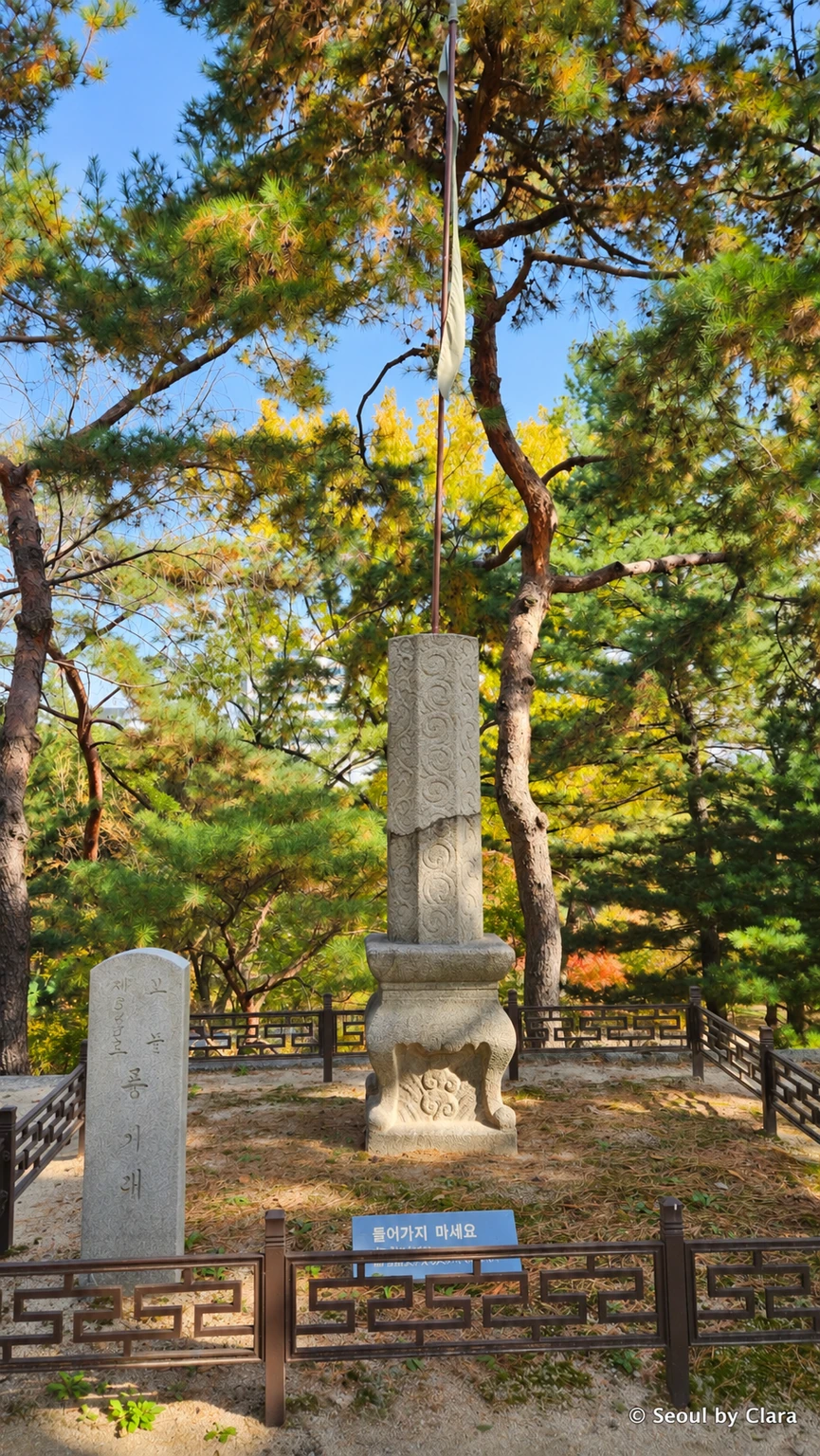
Nearby
- Paths, trees, and palace buildings unfold with the natural terrain, giving this royal complex and its garden a gradually changing rhythm.Photo coming soon
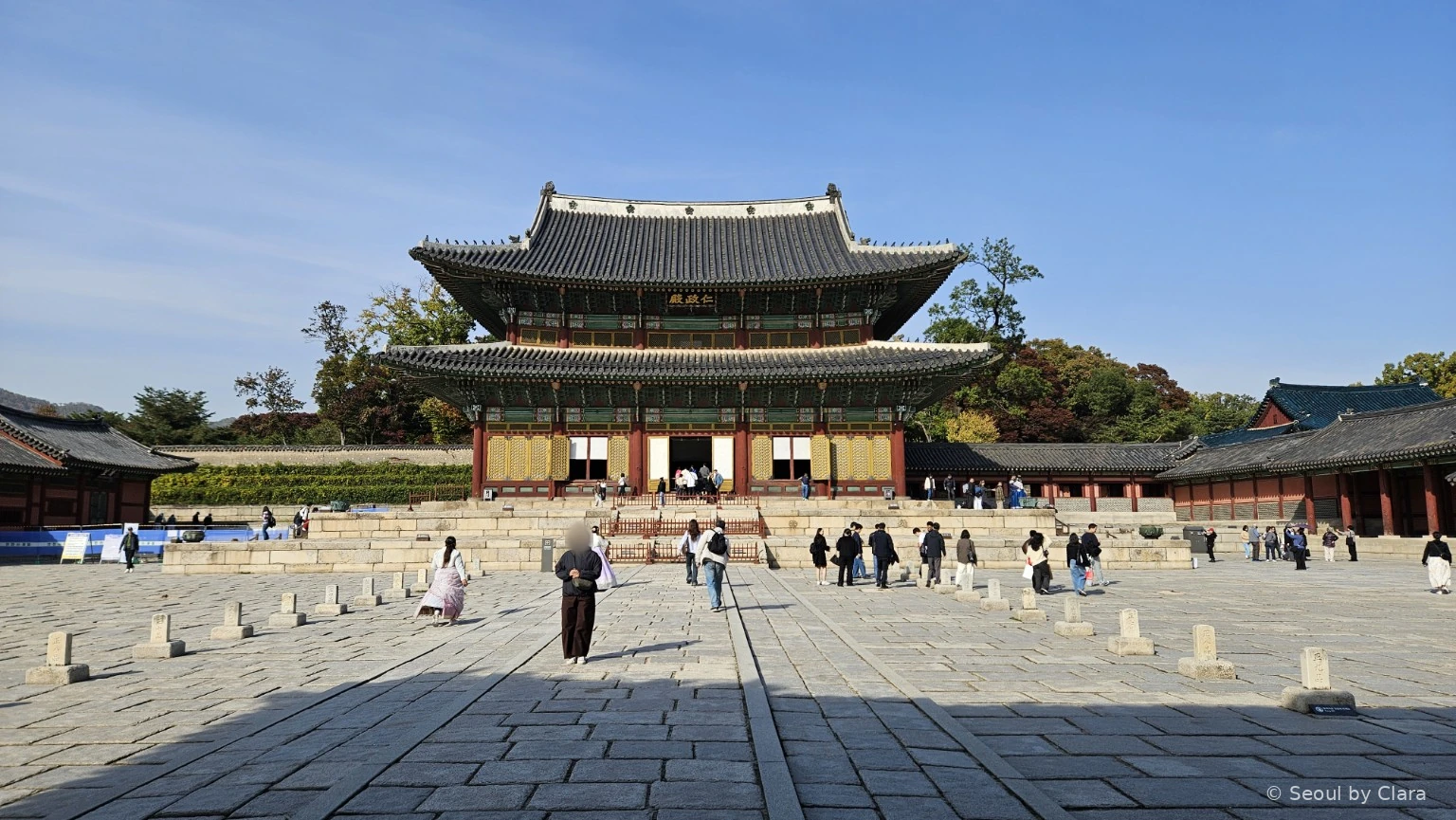
Changdeokgung Palace
- The Daehak-ro branch of Jungdon, a Japanese-style tonkatsu restaurant near Hyehwa.Photo coming soon
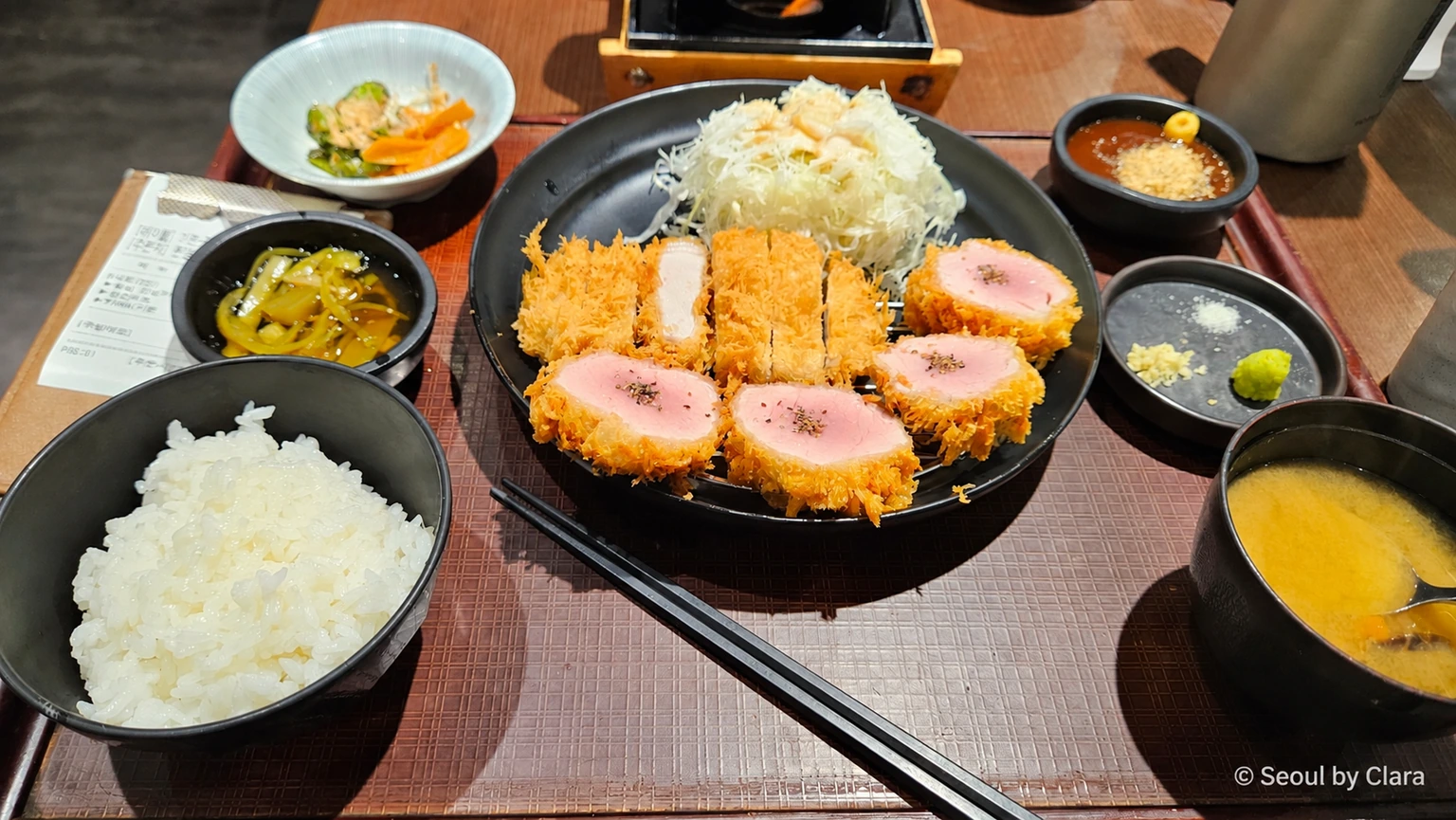
Jungdon Daehak-ro Main Branch