National Museum of Korea
Overview
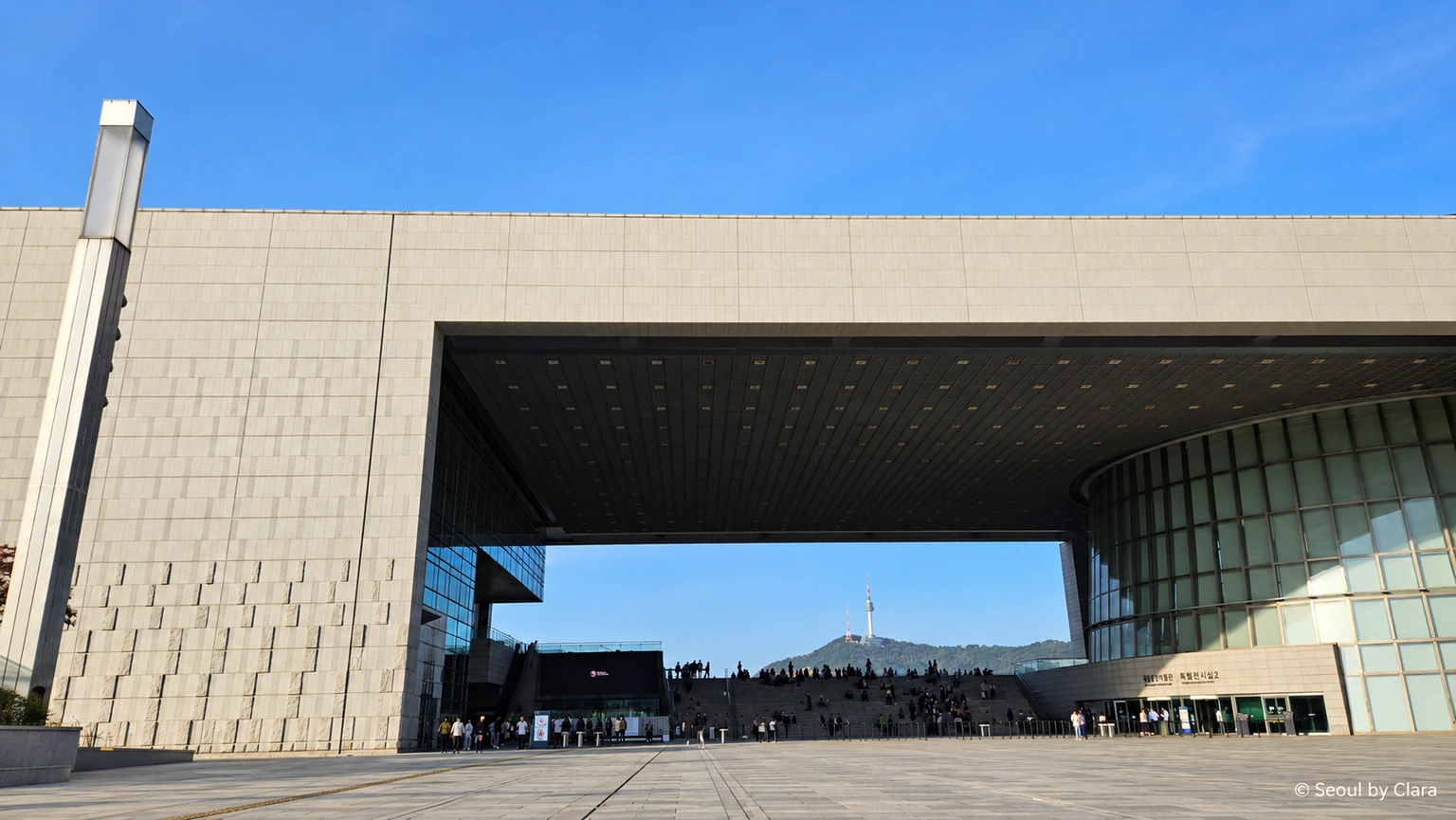
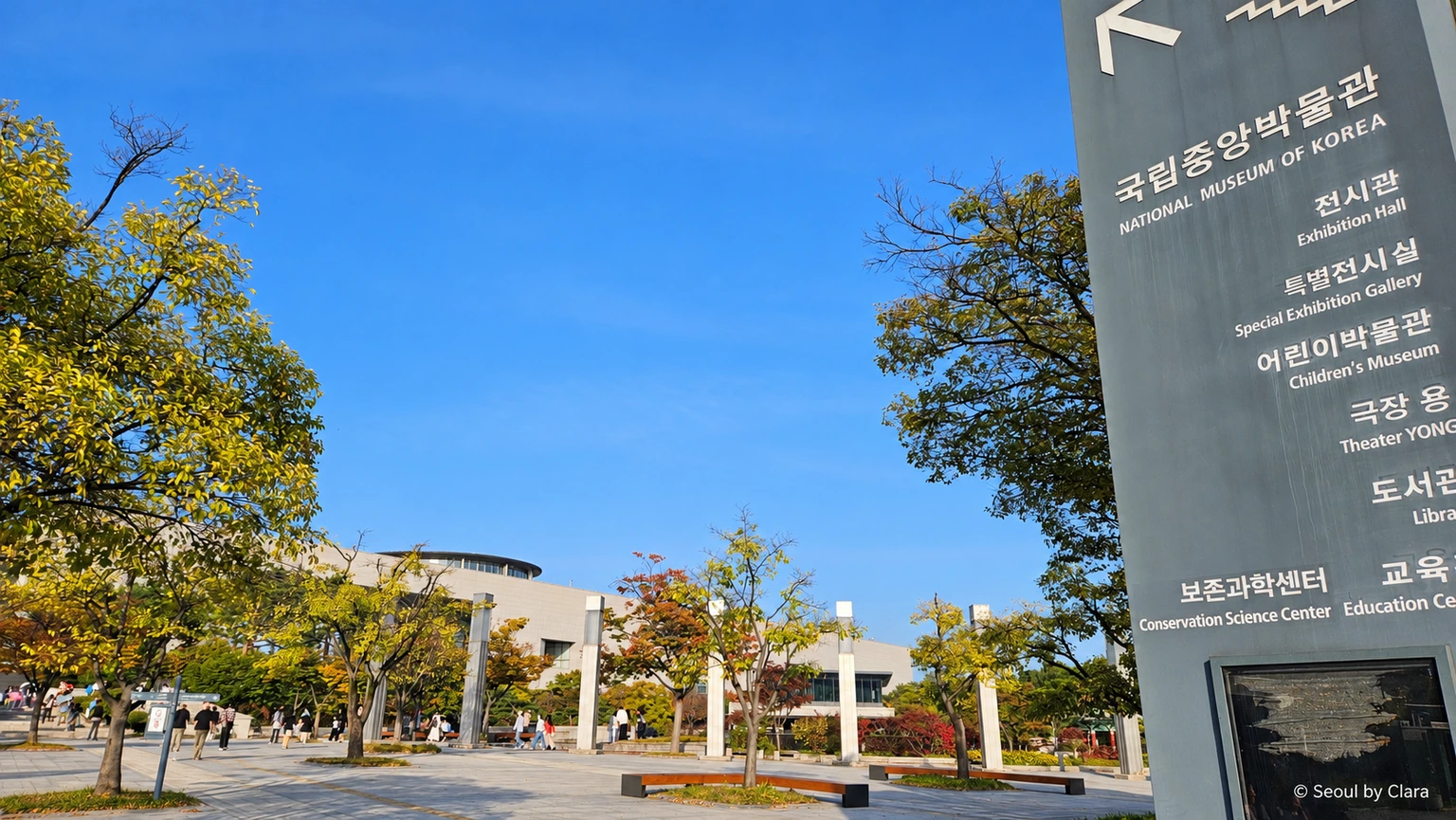
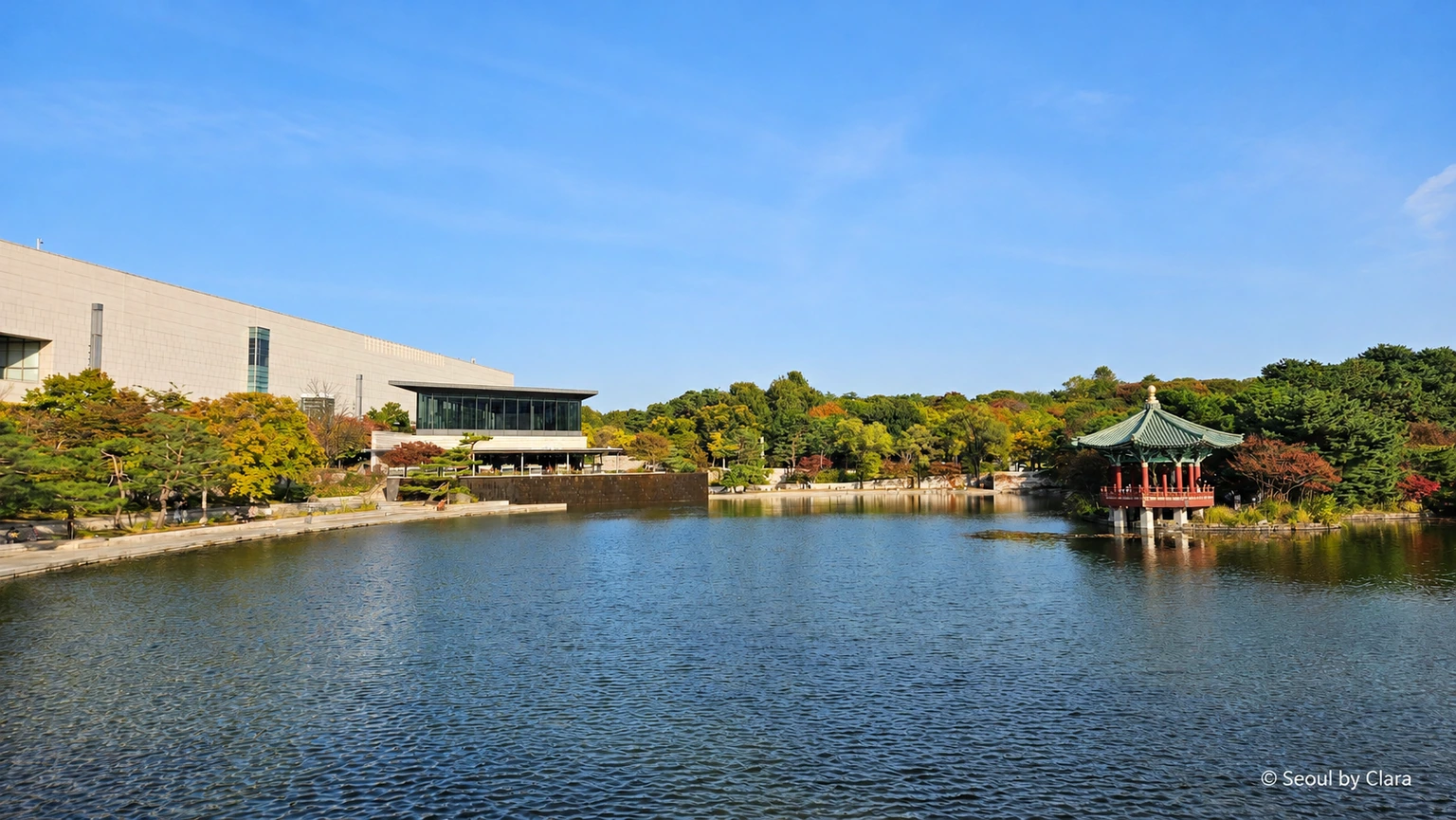
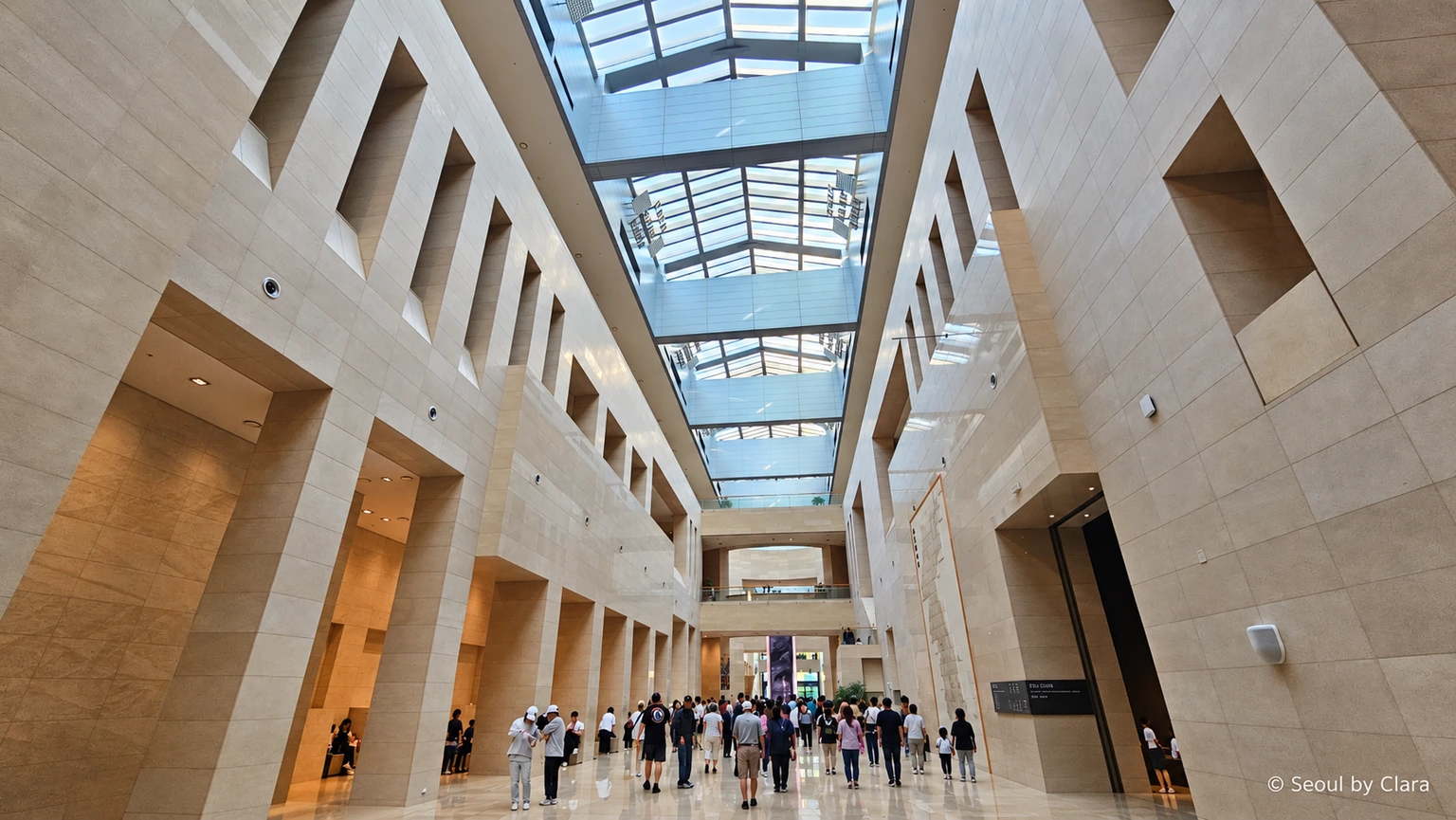
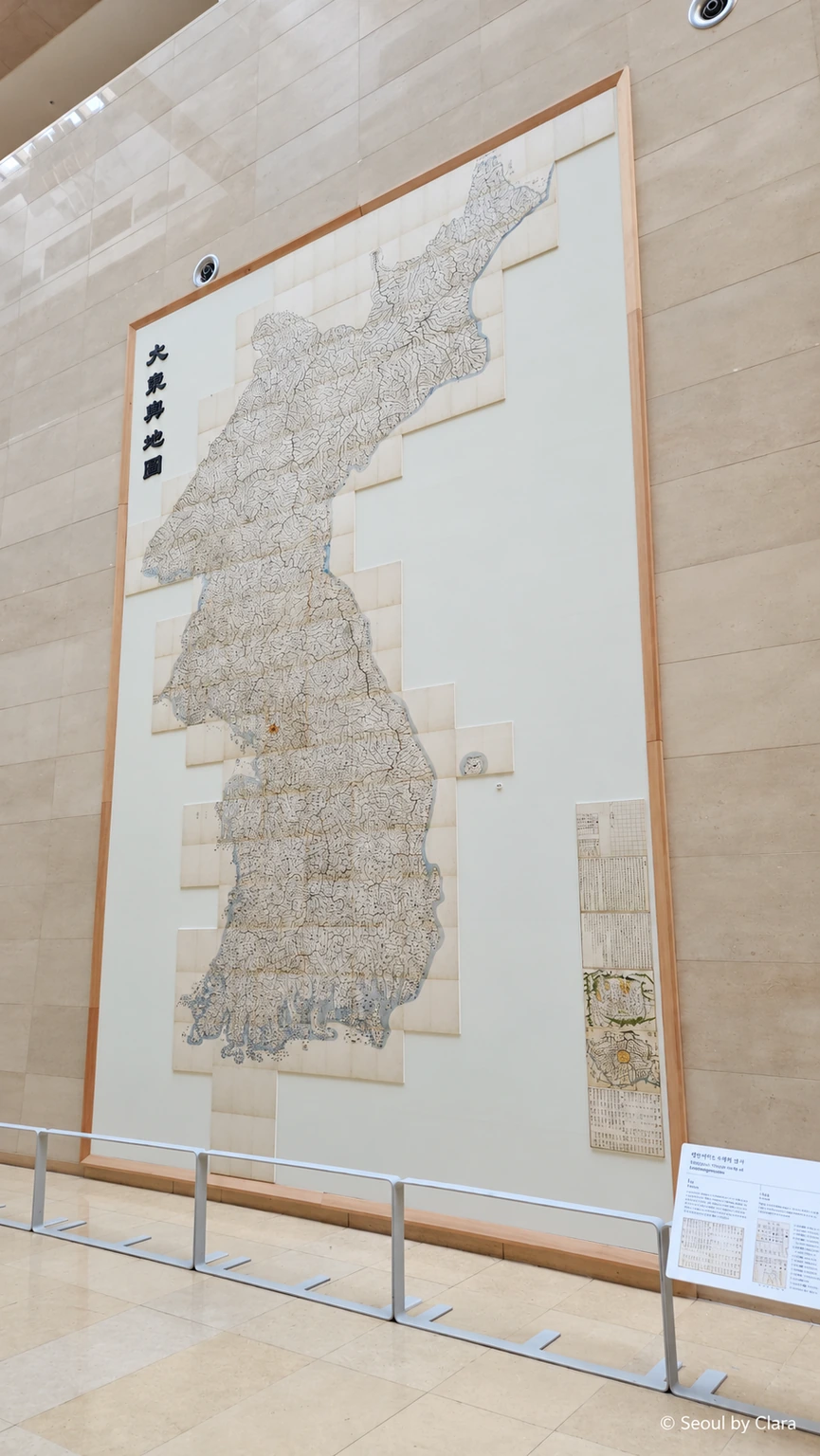
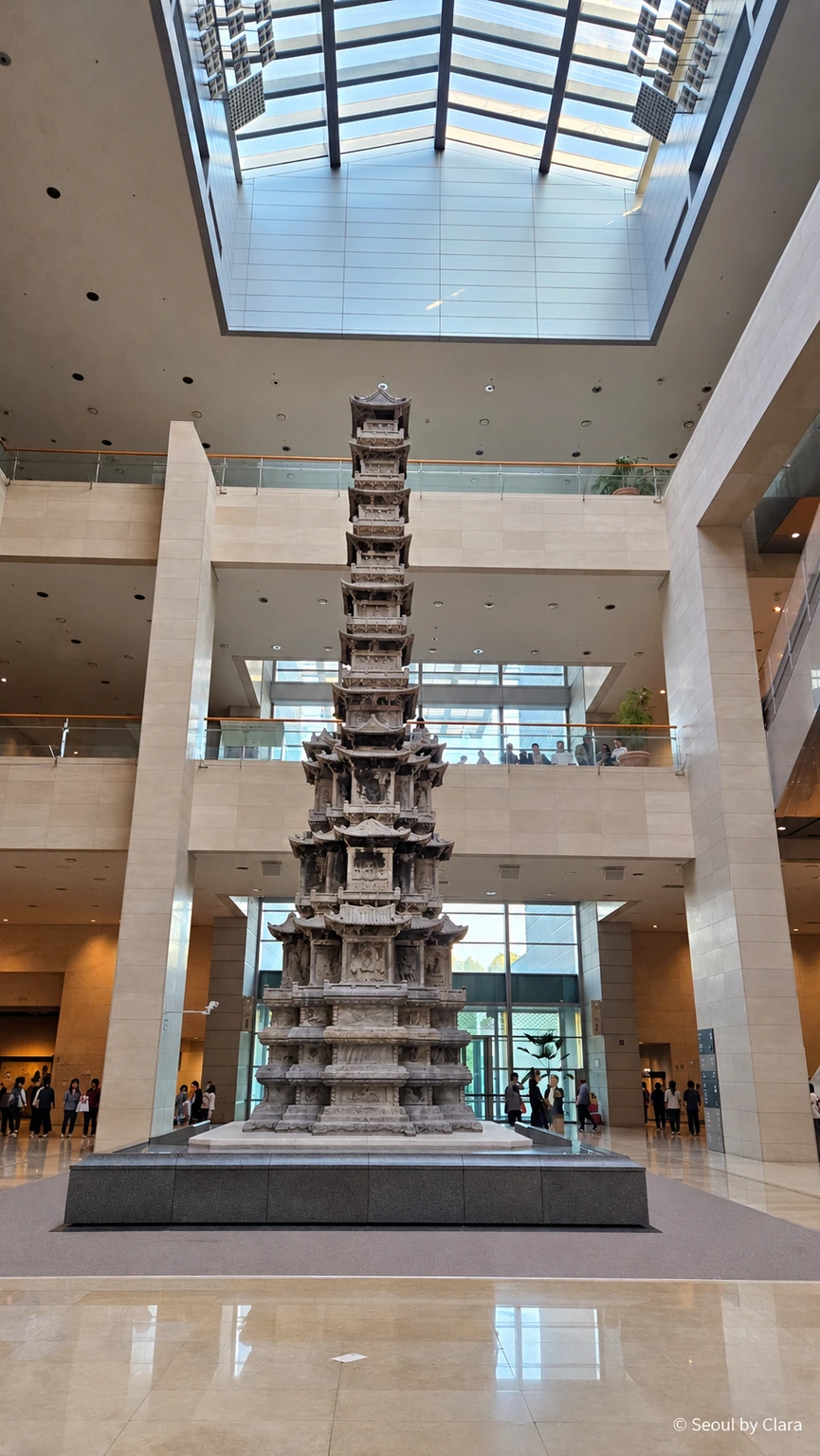
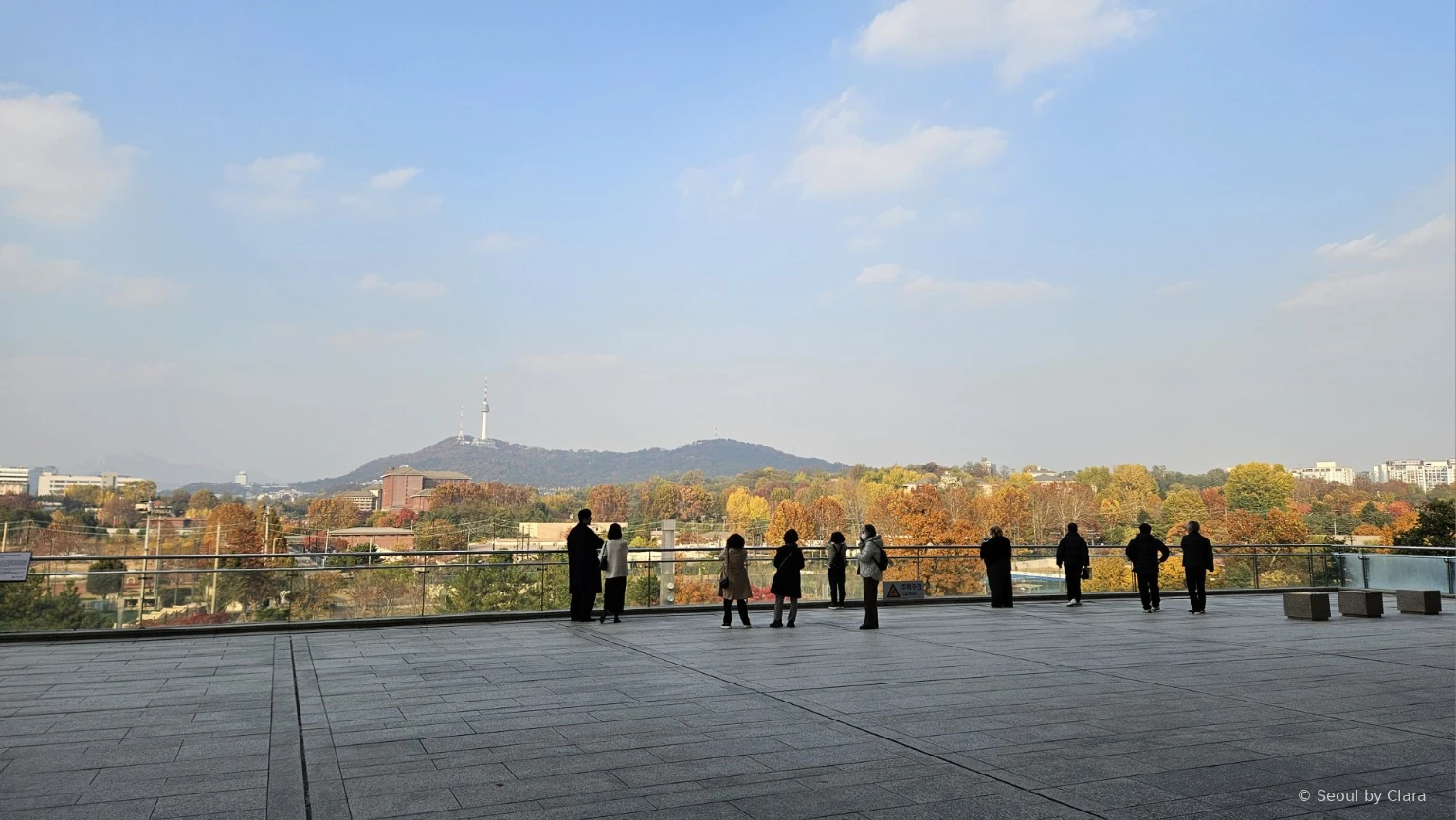
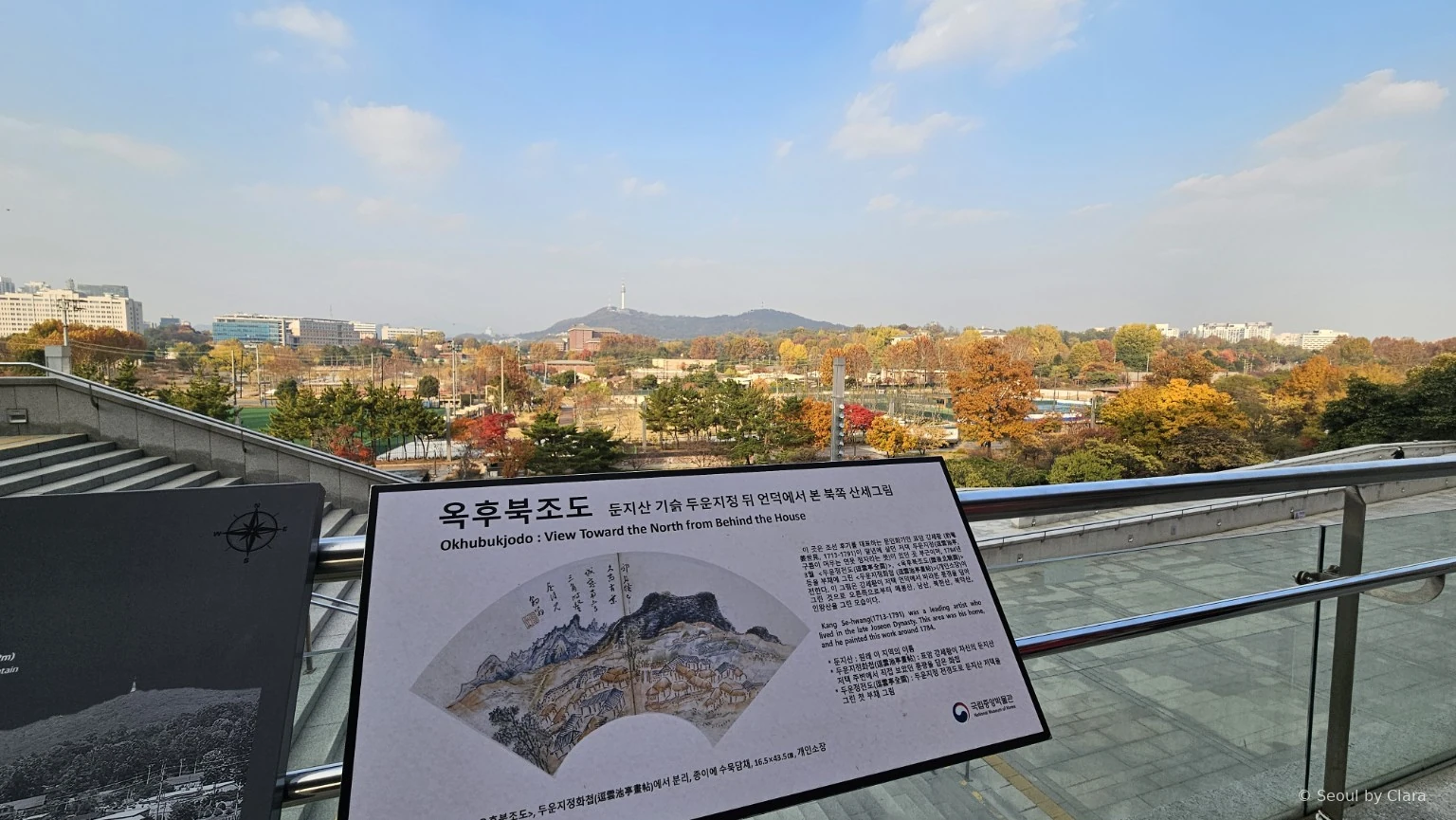
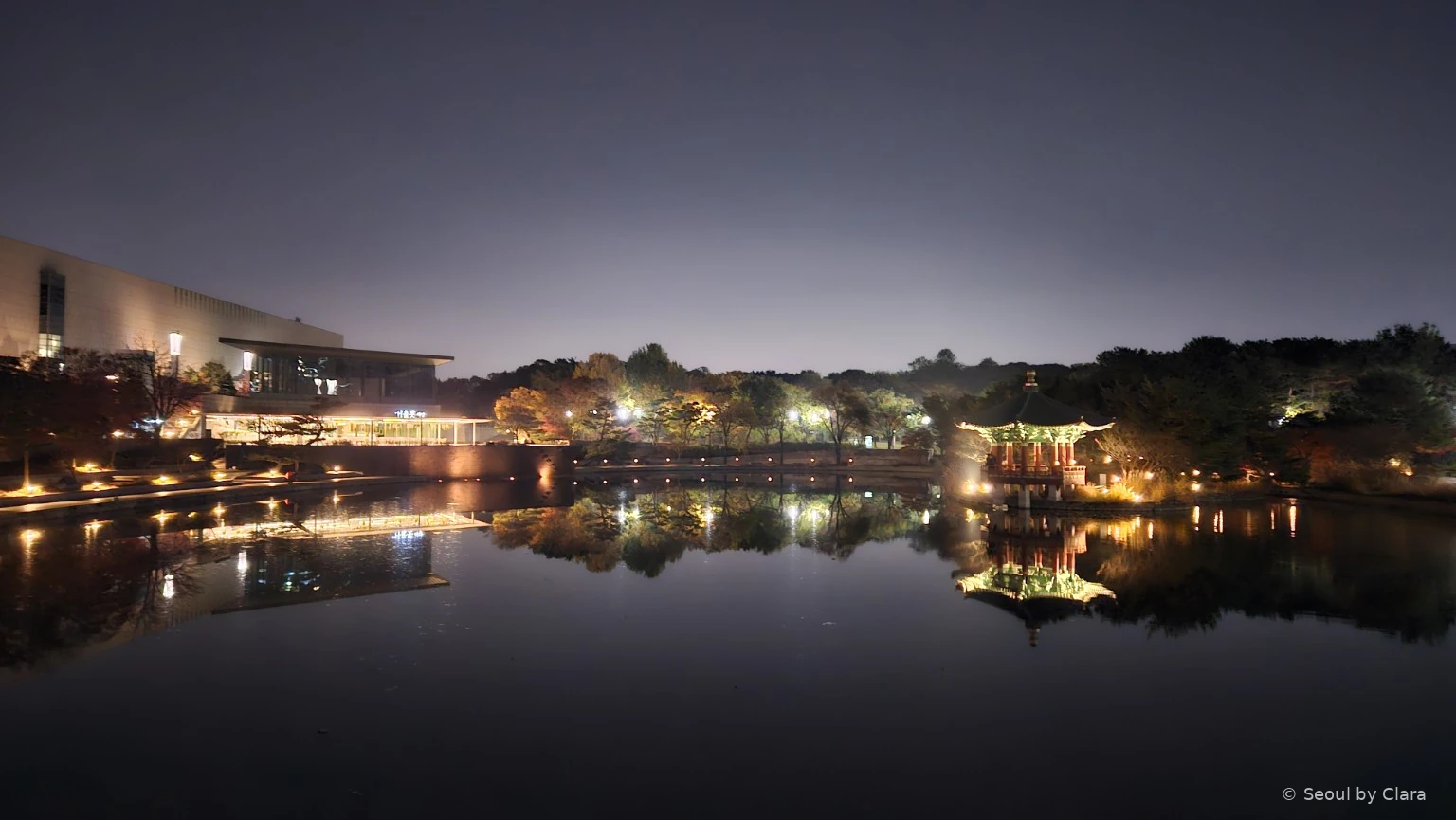
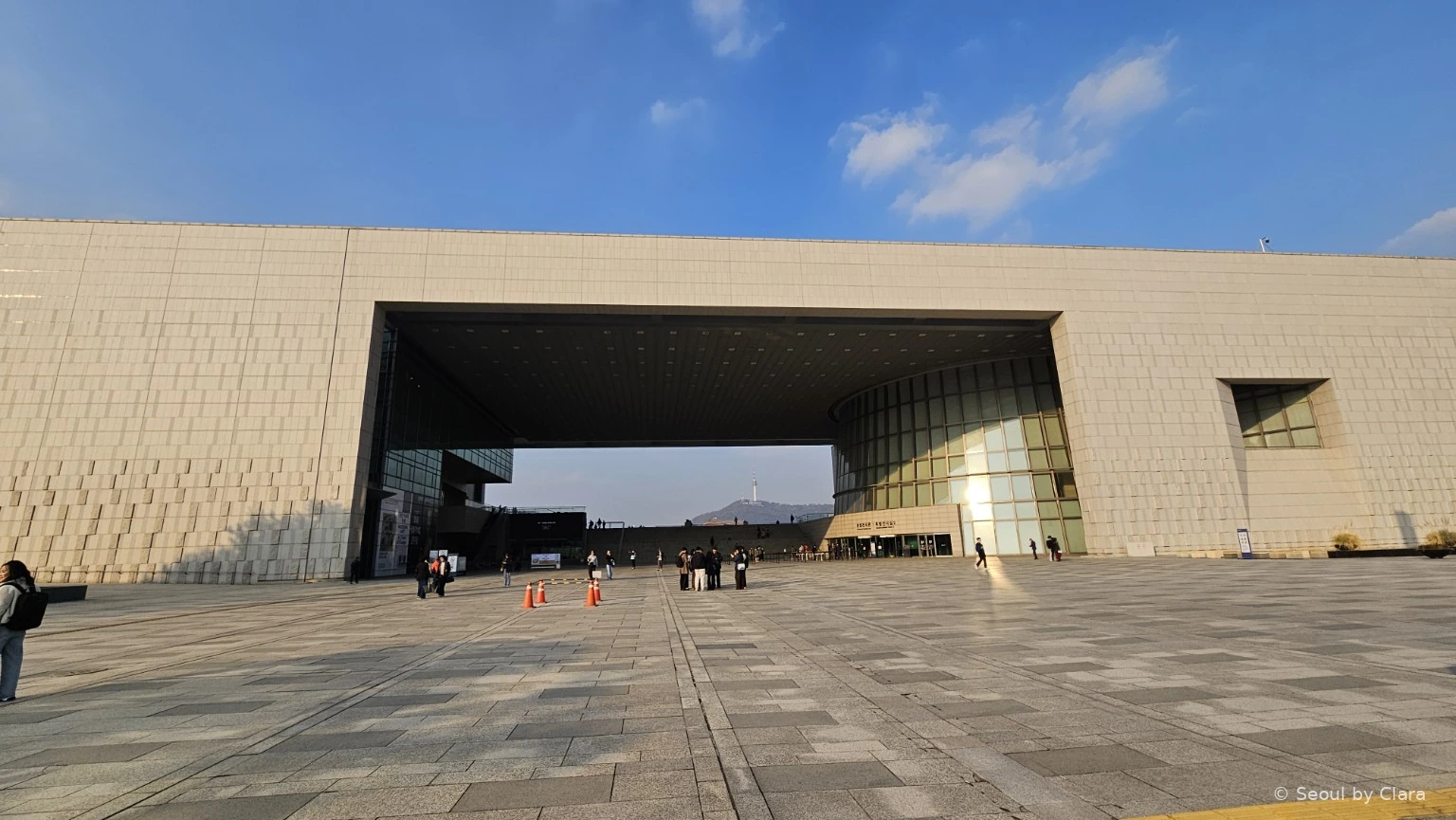
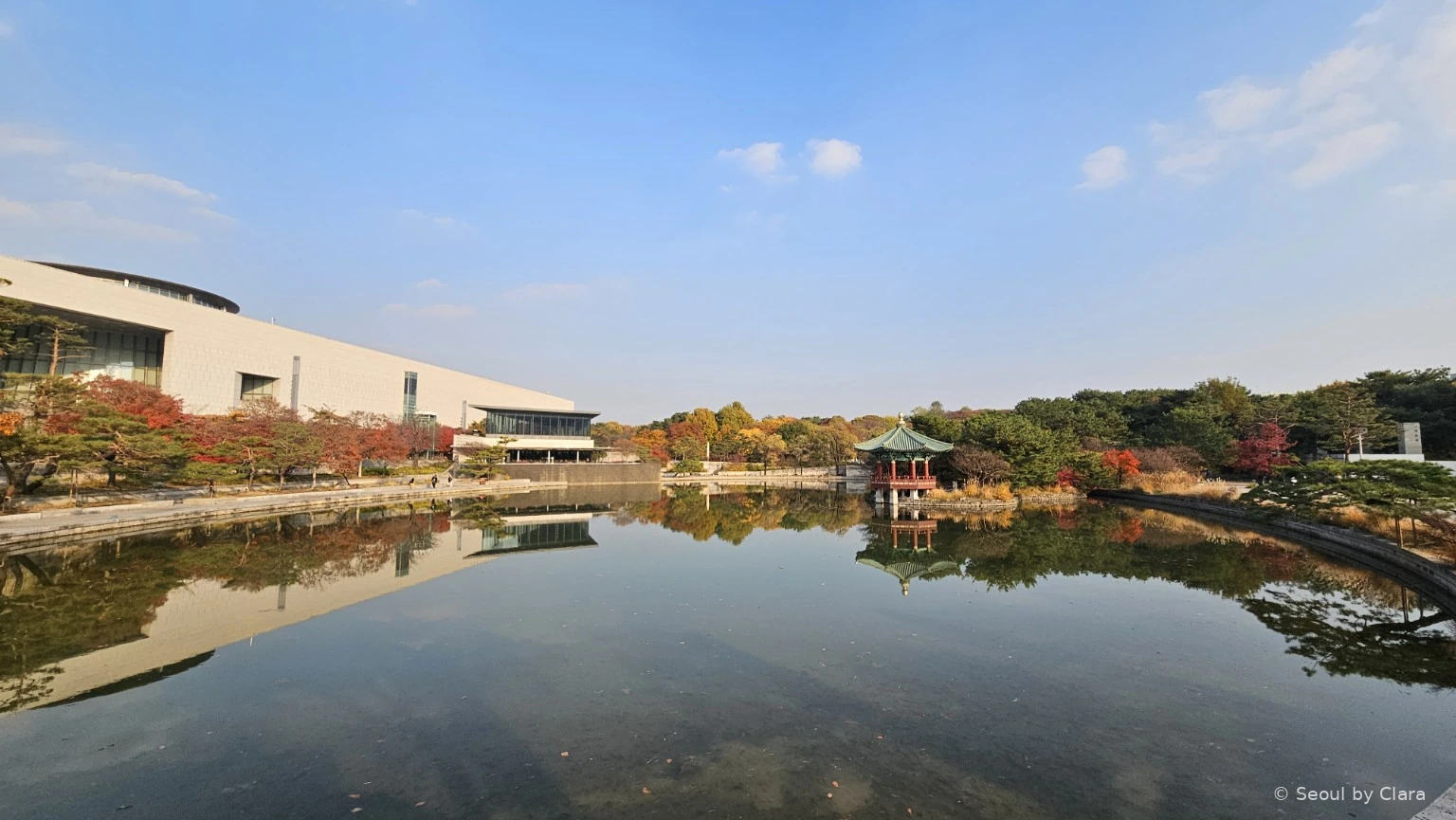
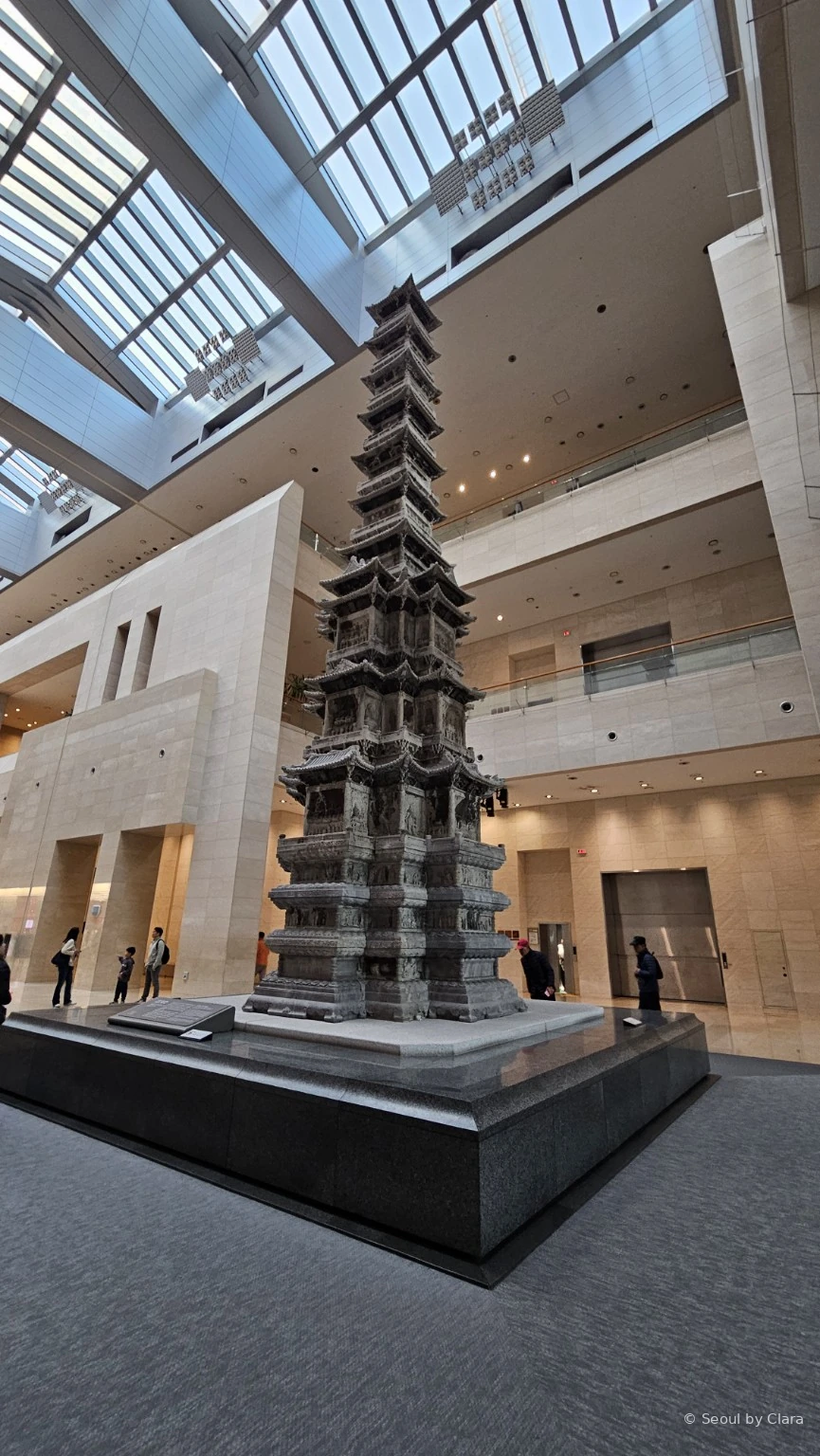
The National Museum of Korea in Yongsan holds collections of archaeology, ceramics, Buddhist sculpture, paintings, and other objects from Korean history. The ten-story stone pagoda from Gyeongcheonsa Temple stands in the central hall. Outside, Mirror Pond sits near the main building, whose central opening frames a view toward Namsan.
Clara's Note
The National Museum of Korea is one of those places that impresses you before you even step inside.
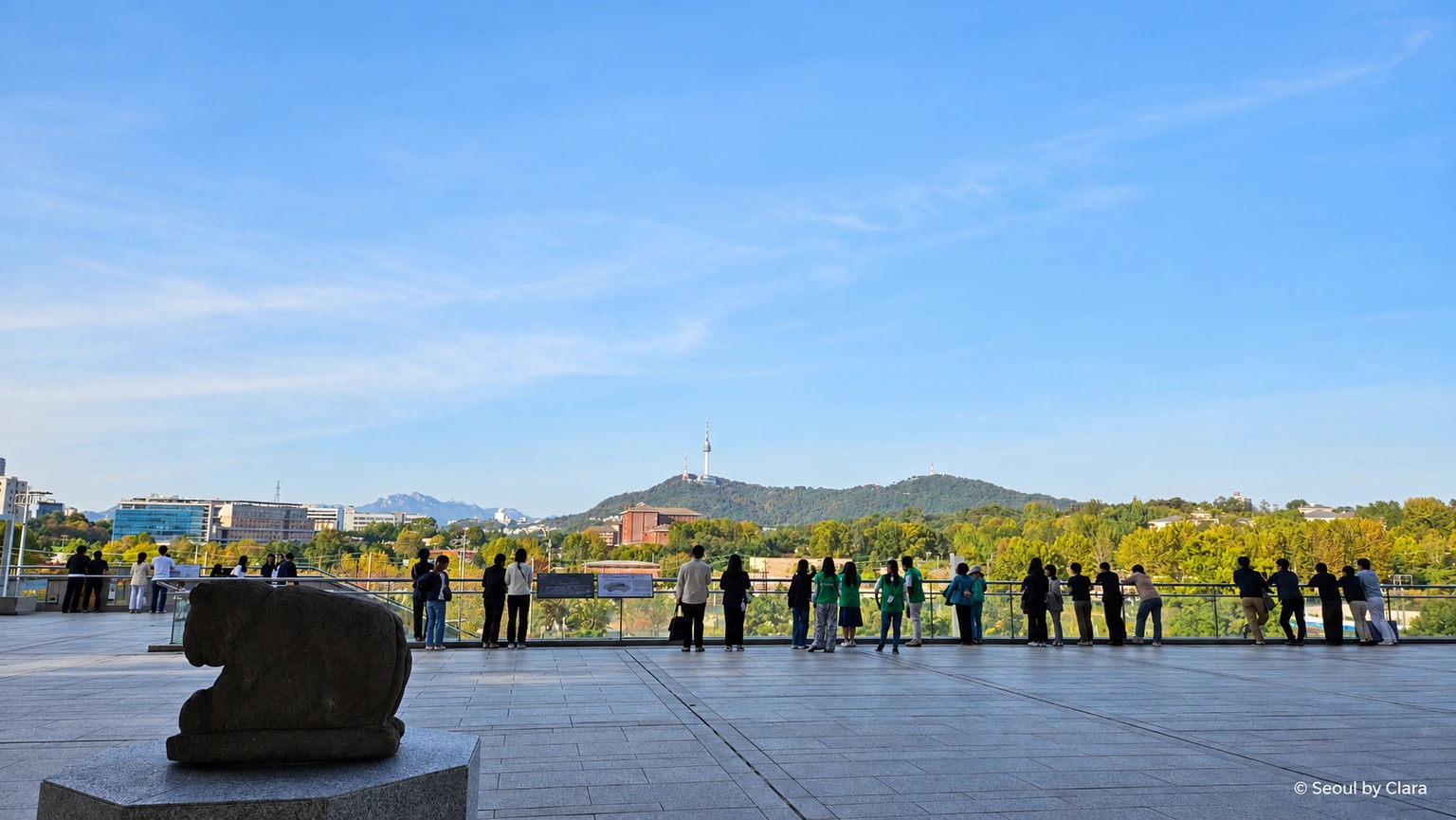
The museum building itself is enormous and beautiful, and there's a lovely reflecting pond called Mirror Pond (Geoulmot) in front of it. But what I especially love is the huge open space in the middle of the building. From there, you get a wonderful view of Namsan Mountain and the surrounding city. Honestly, the architecture and scenery alone are worth taking a moment to appreciate.
And once you step inside, the museum is just as impressive.
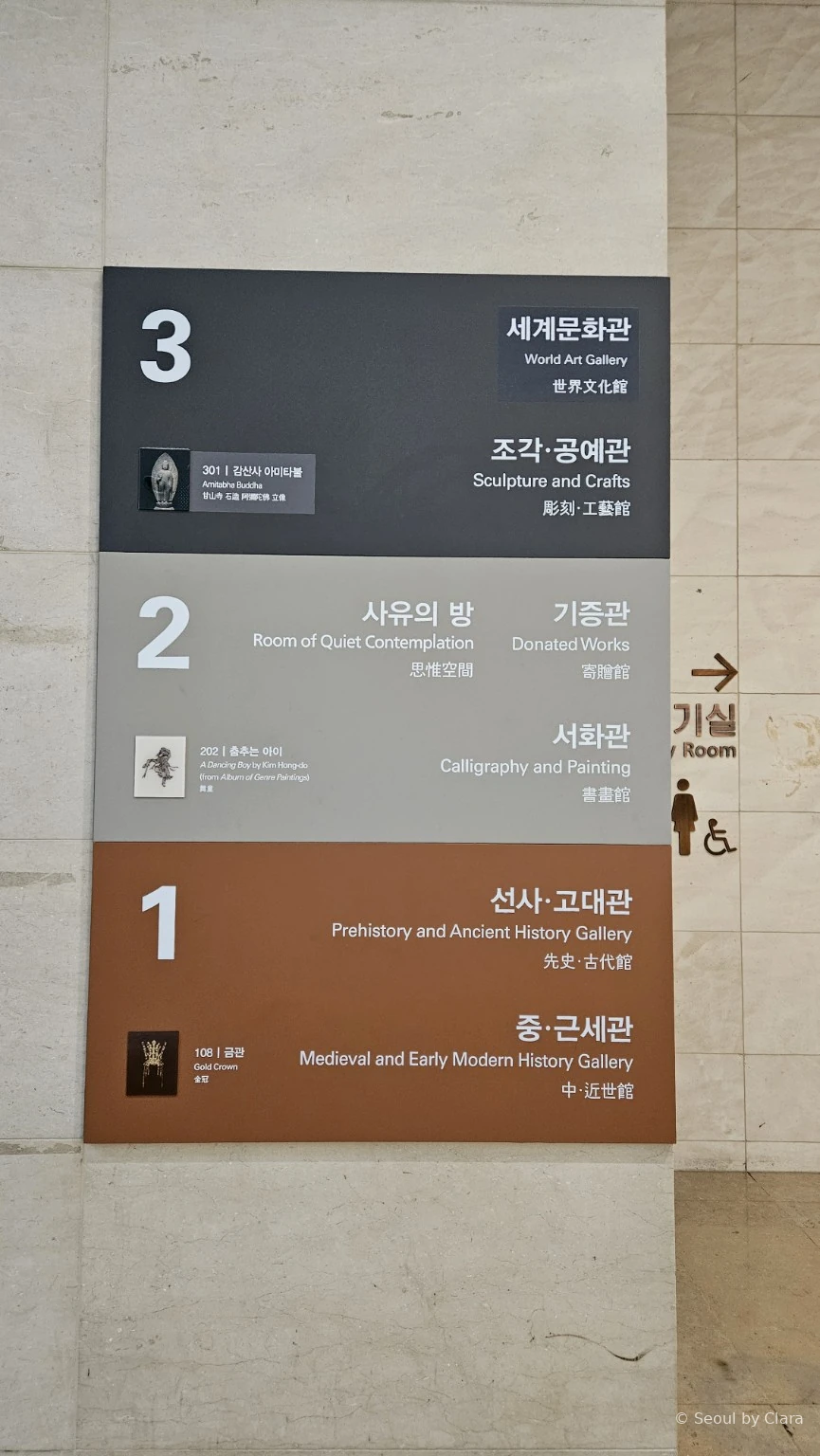
There are three floors of permanent exhibitions, and I think the way everything is organized is absolutely wonderful.
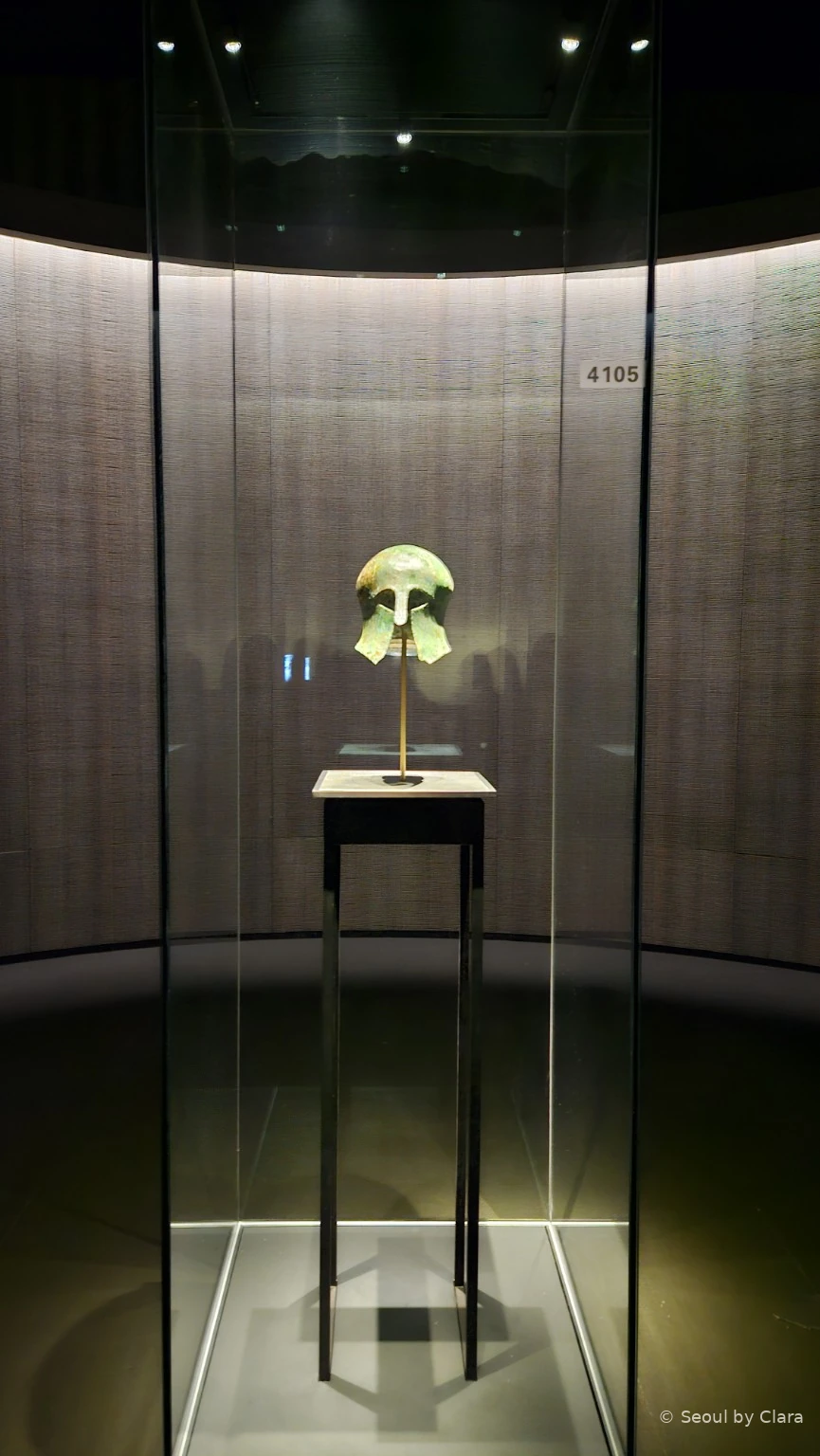
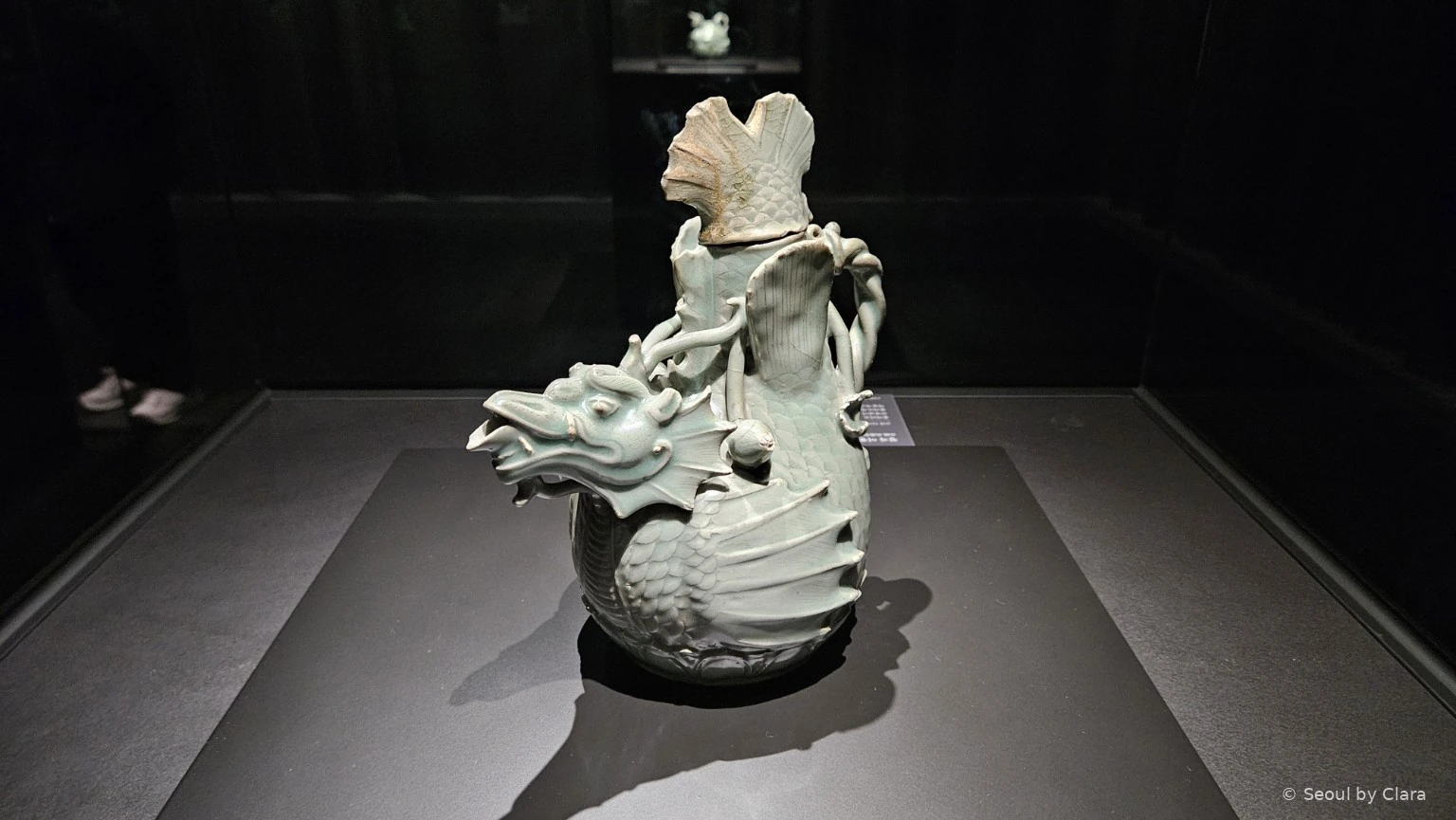
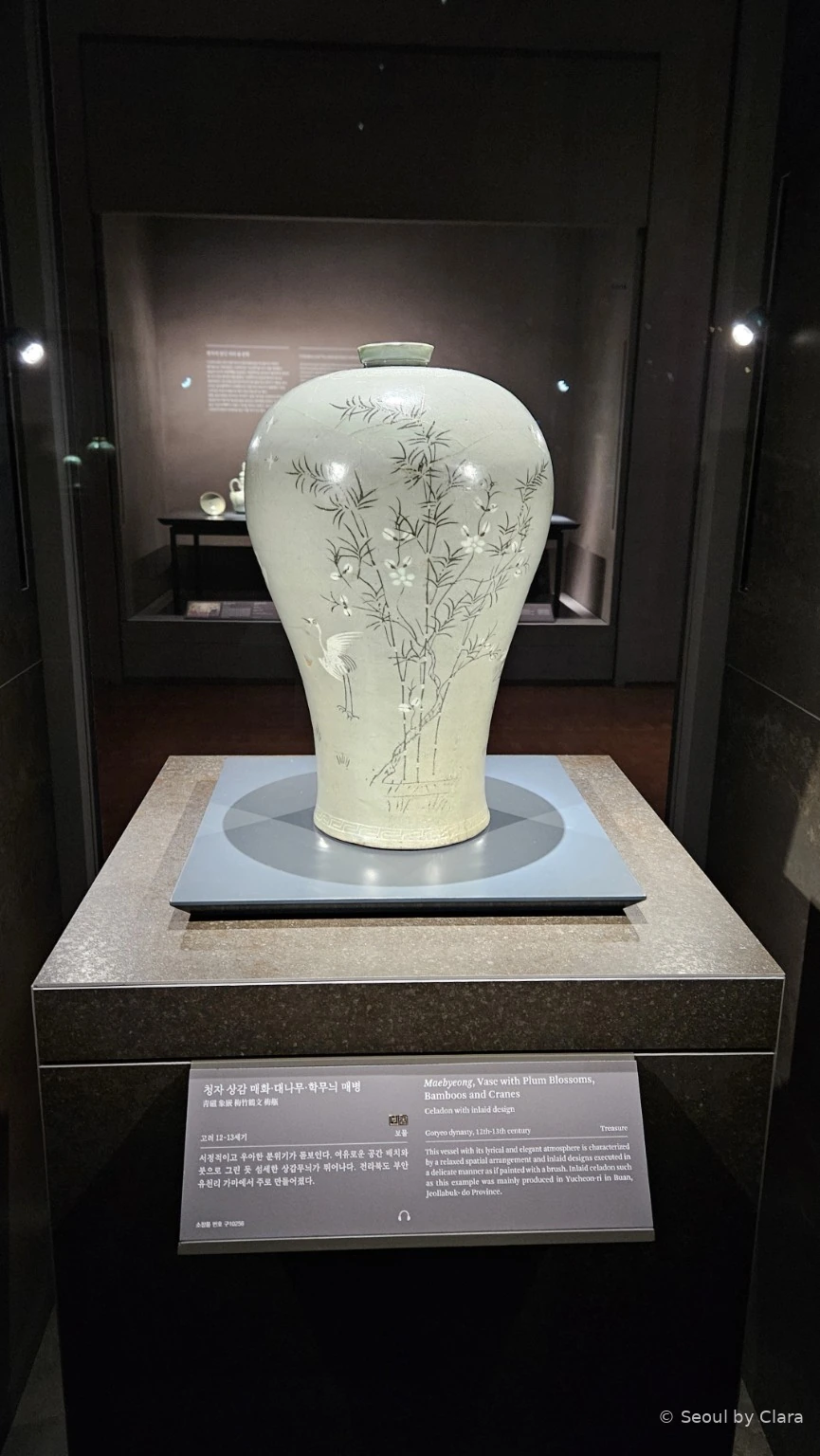
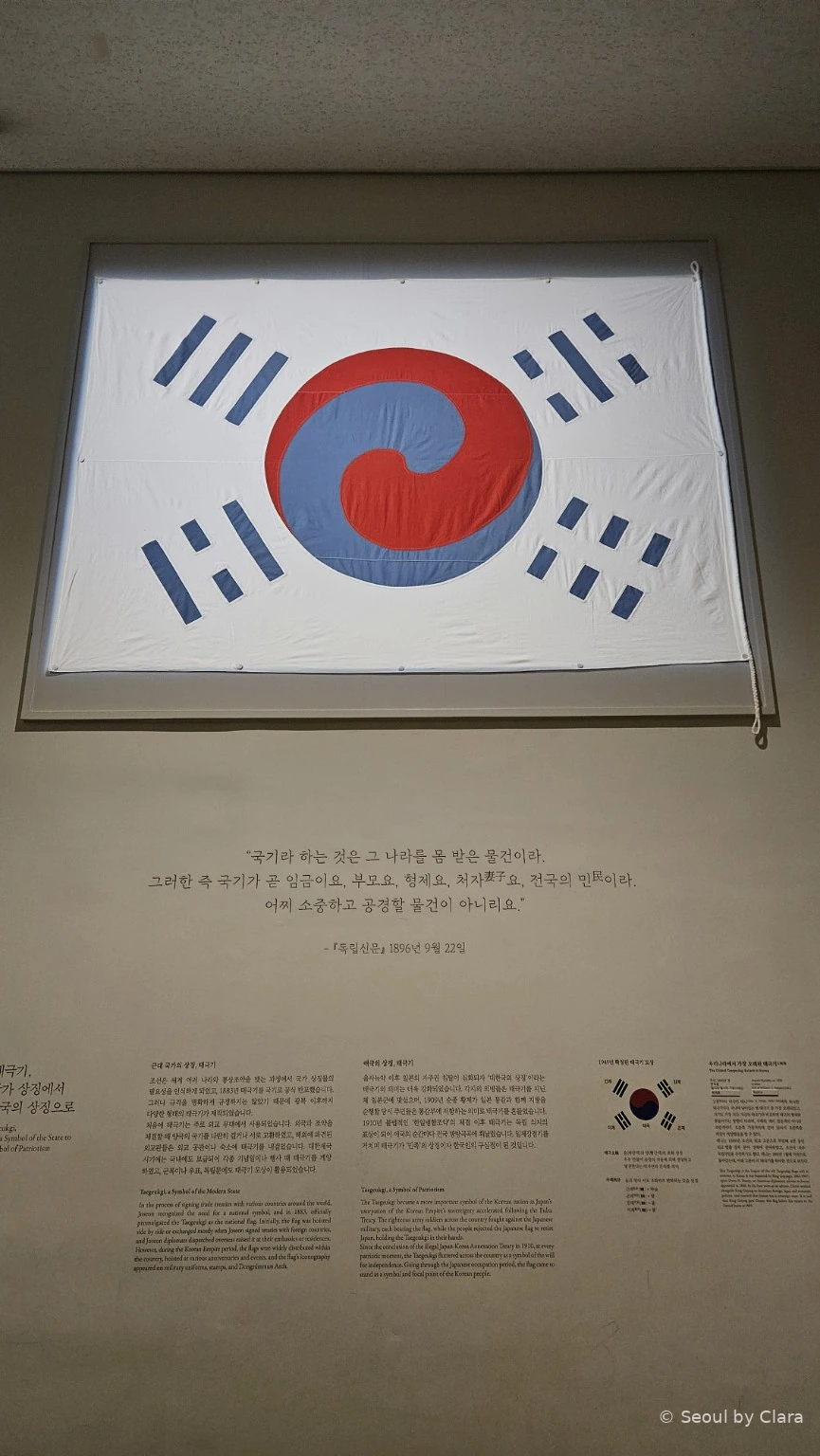
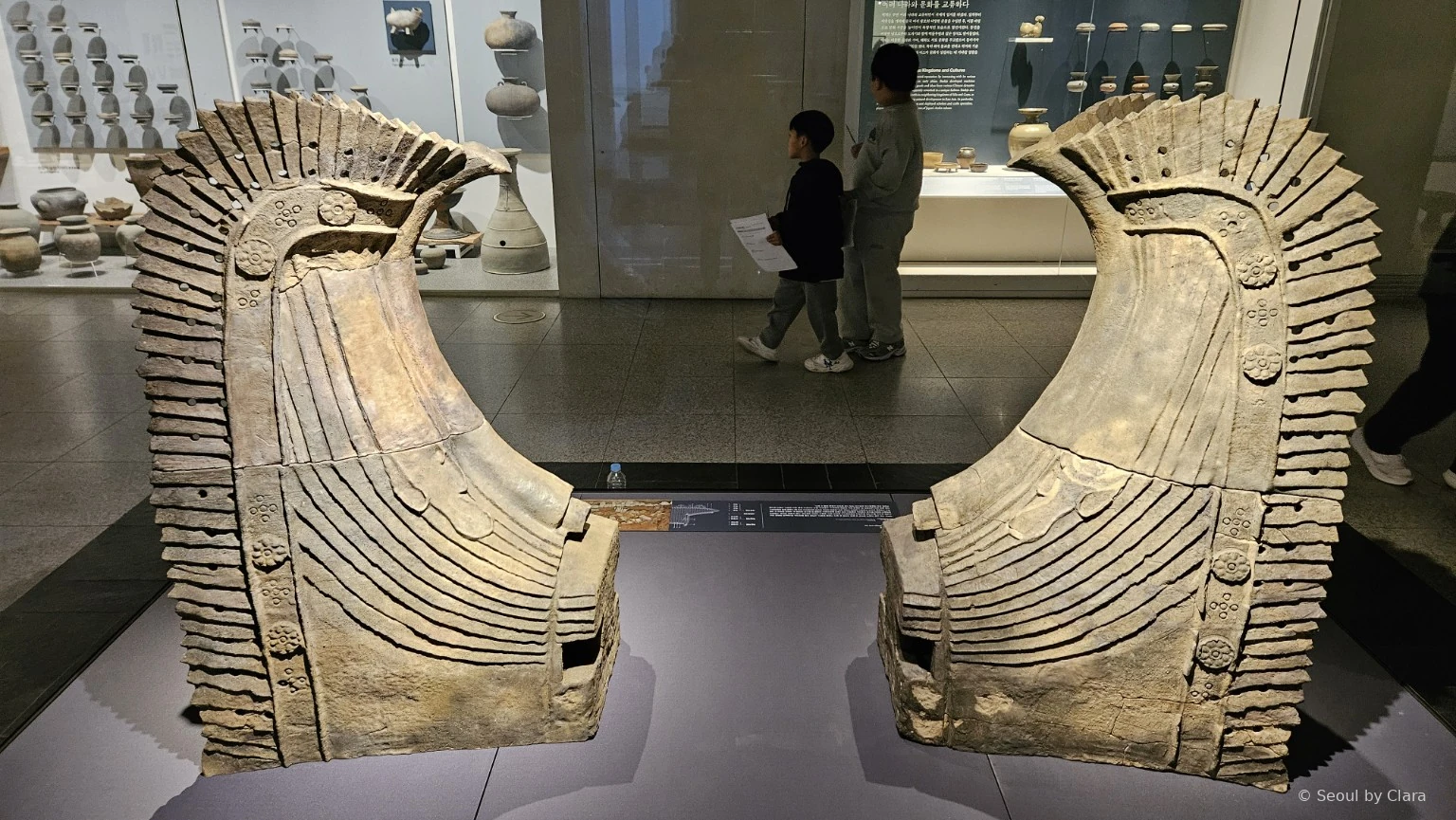
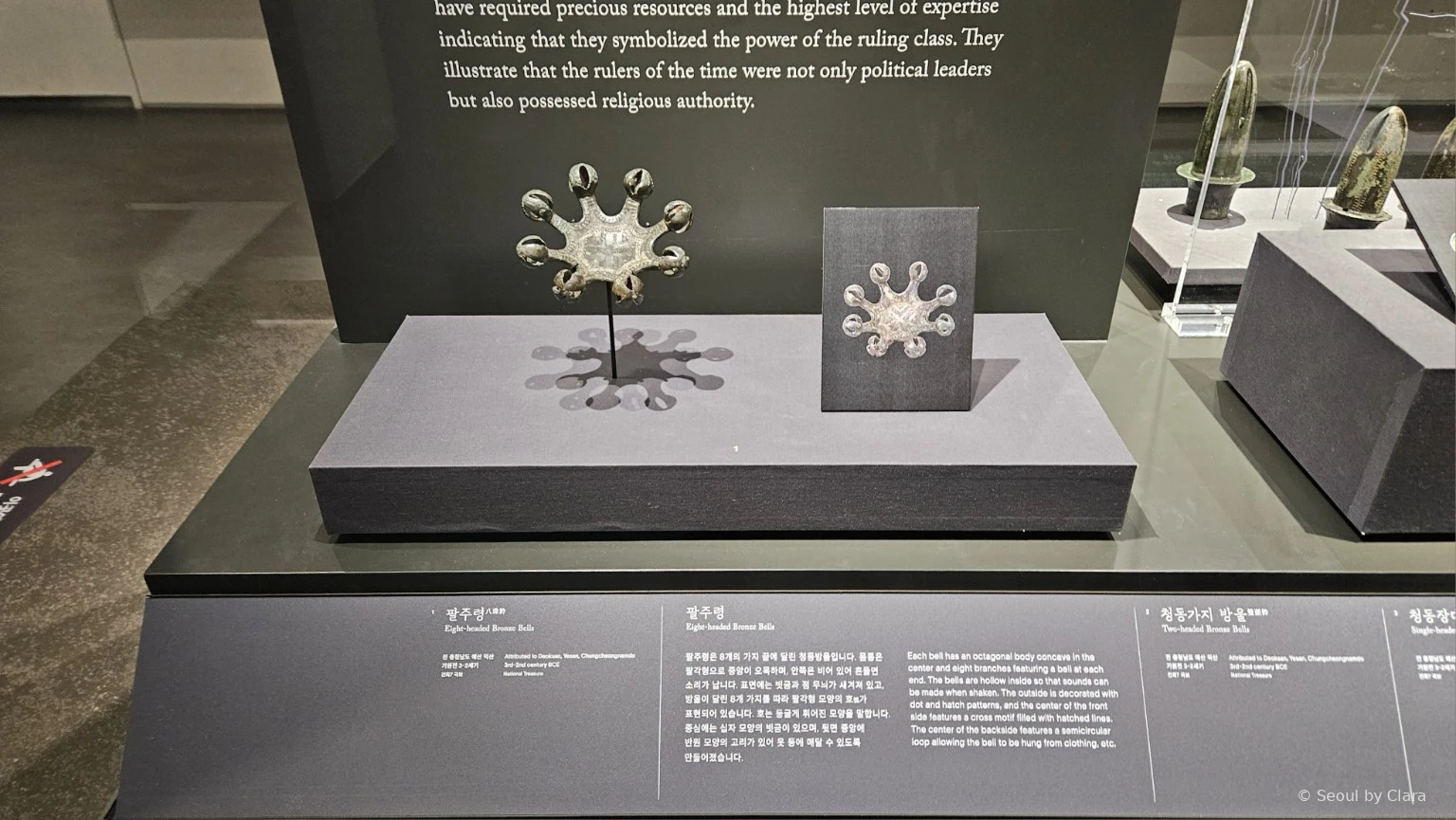
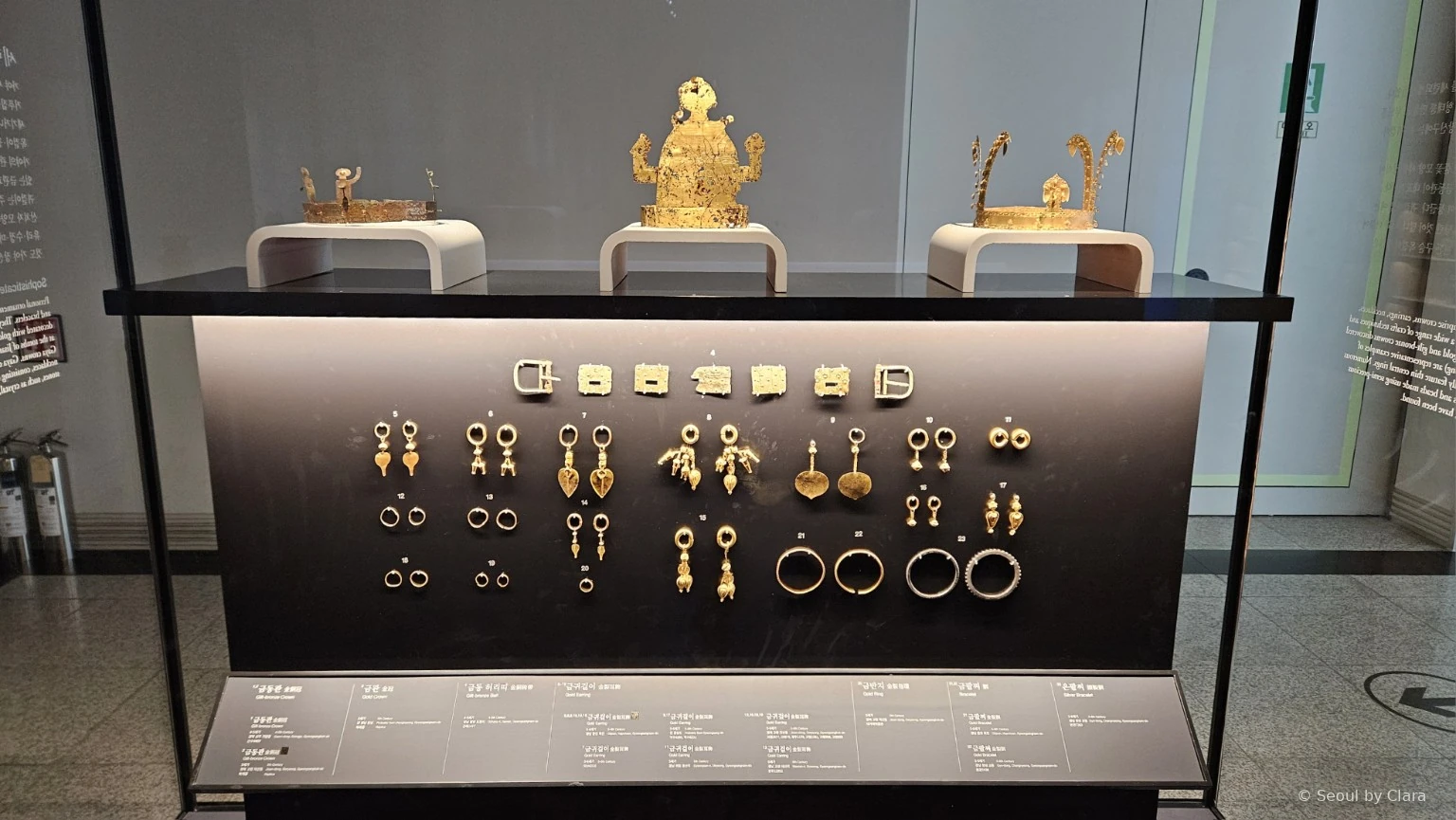
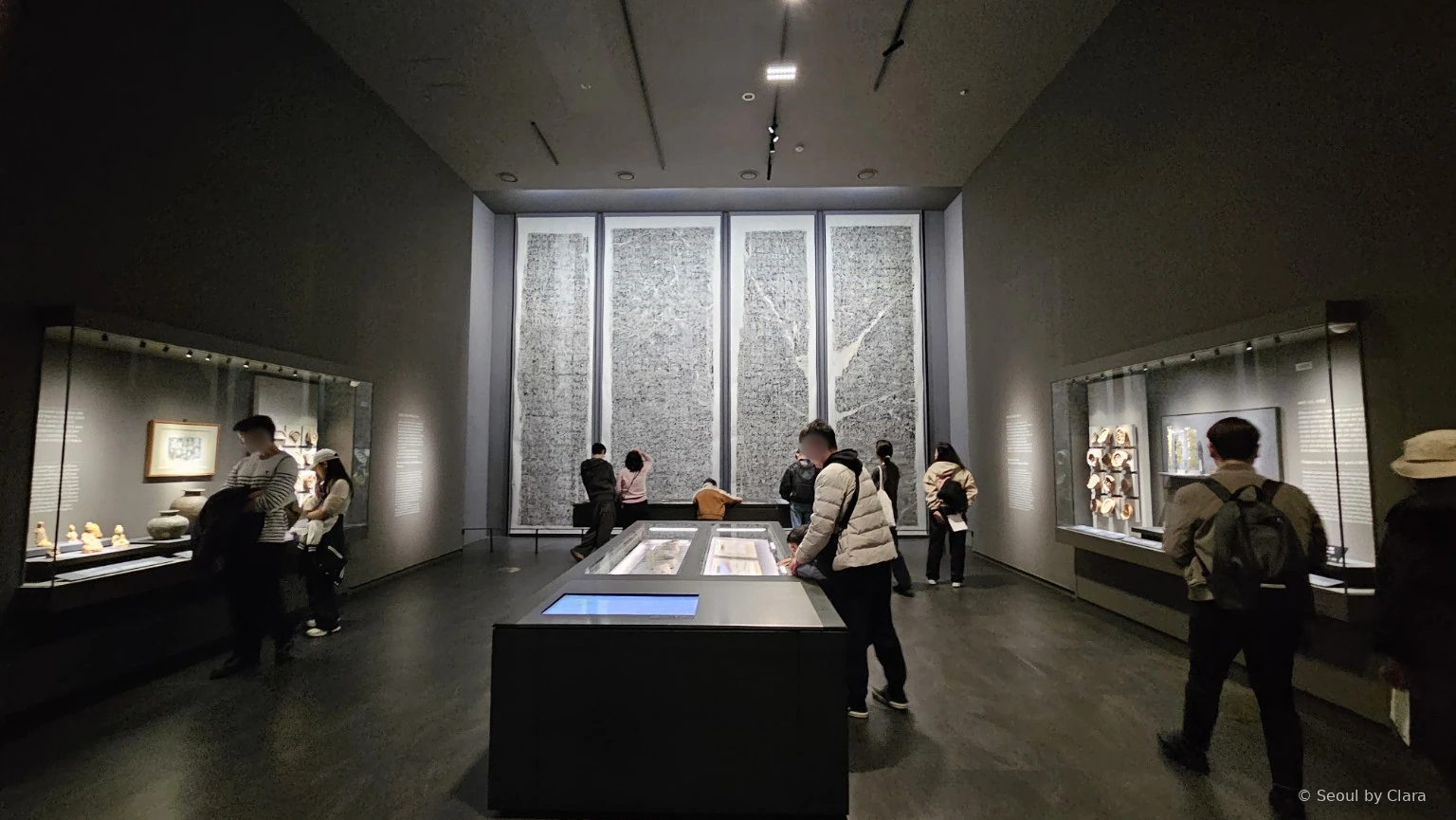
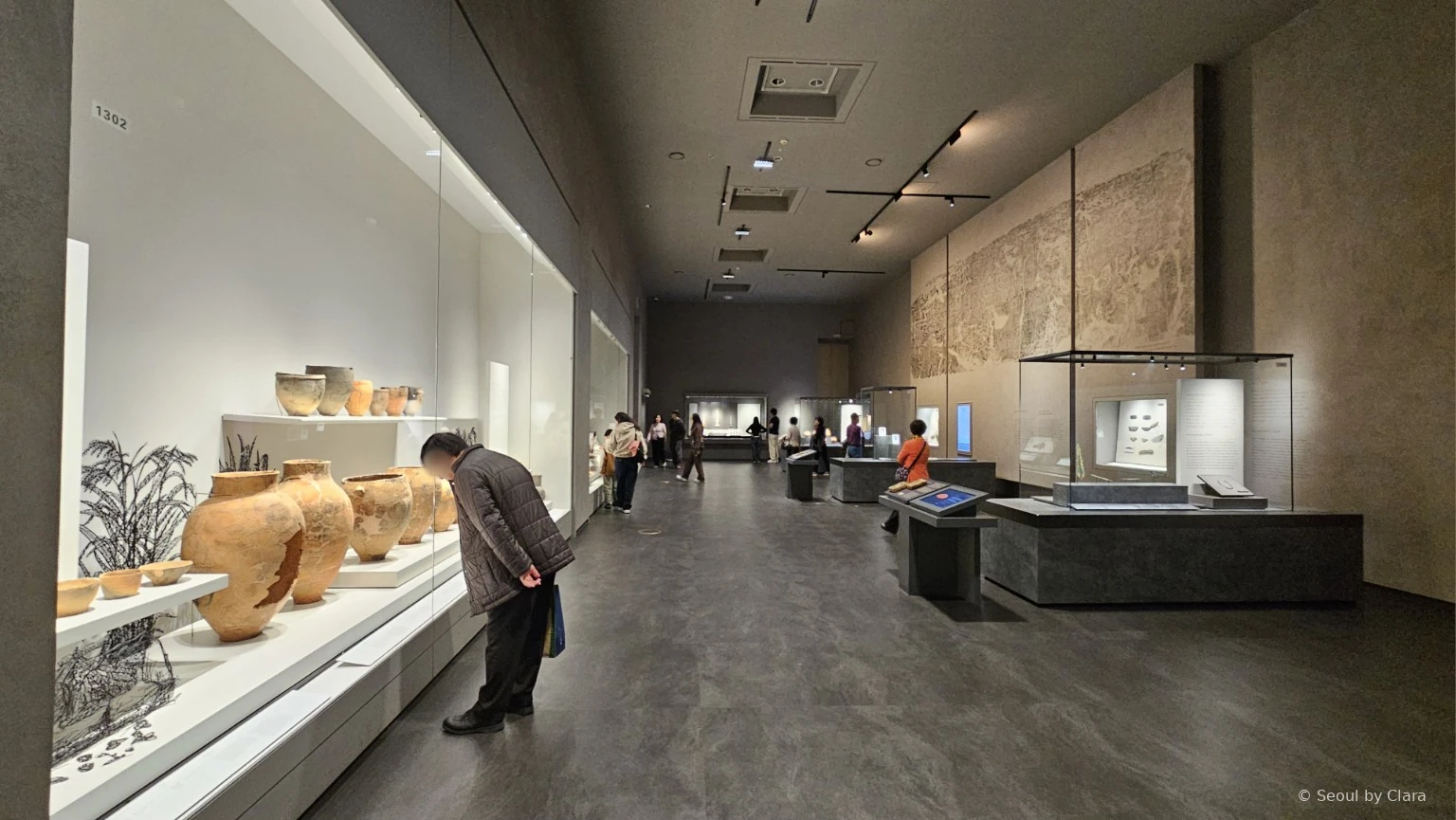
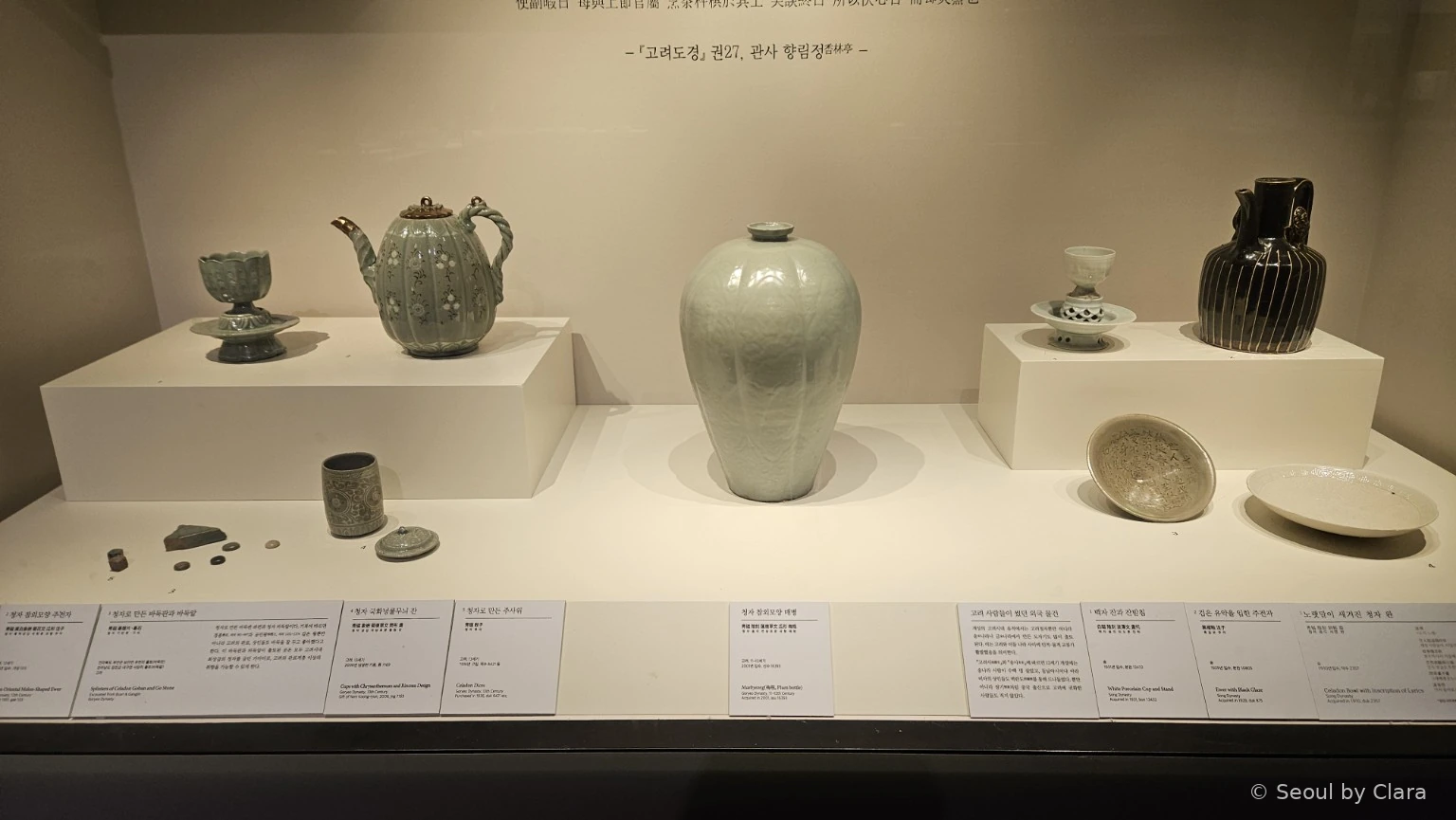
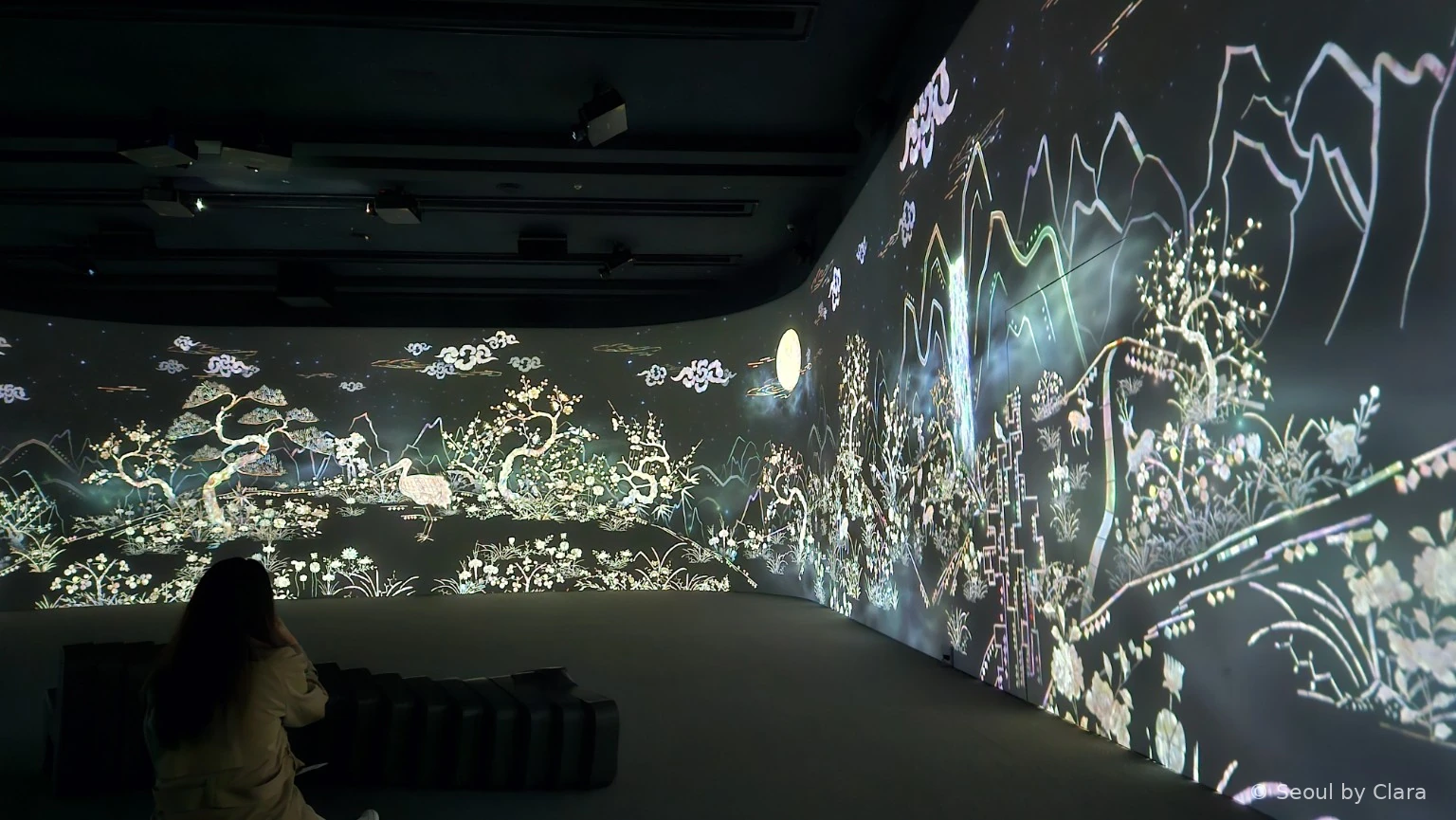
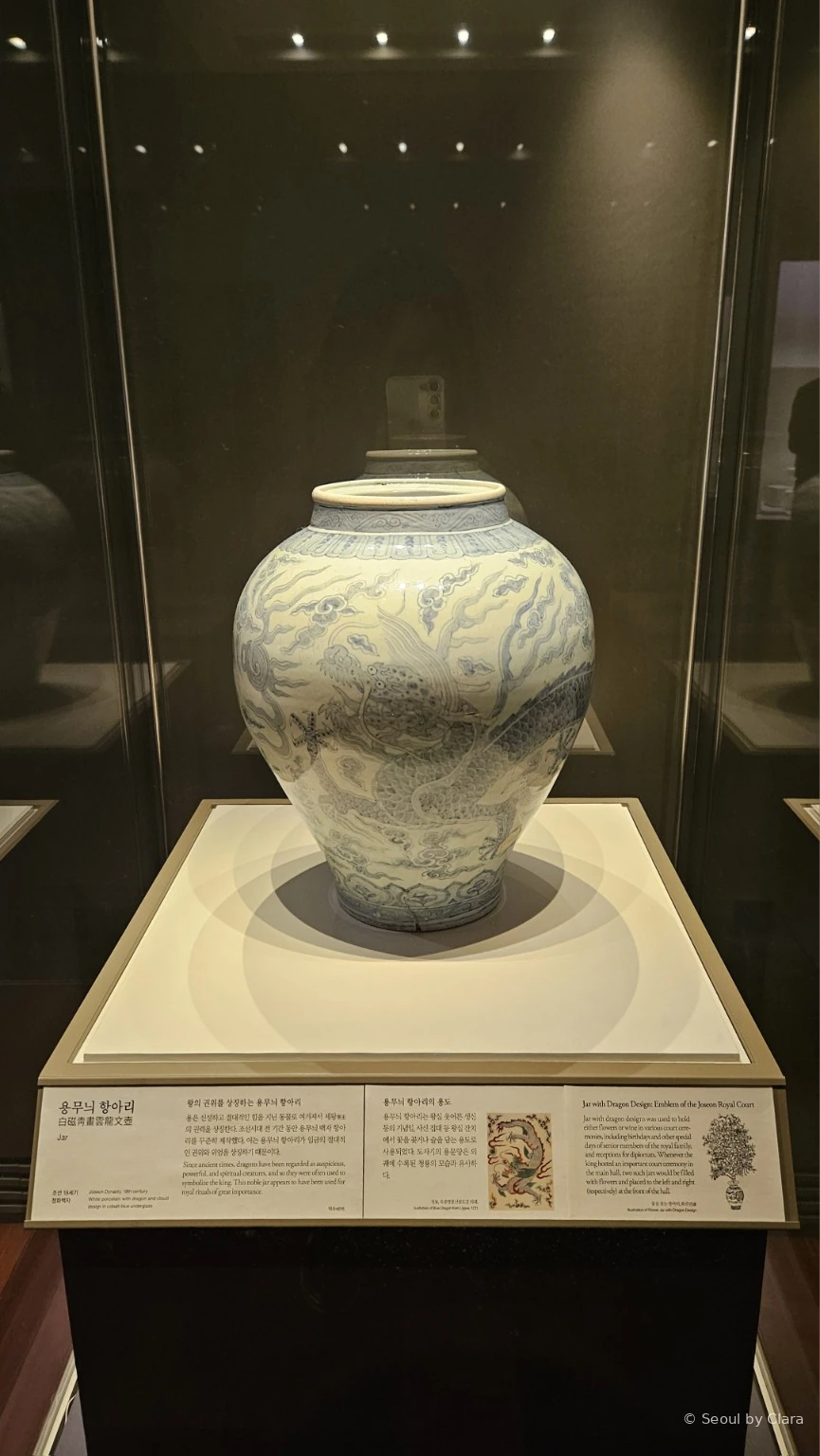
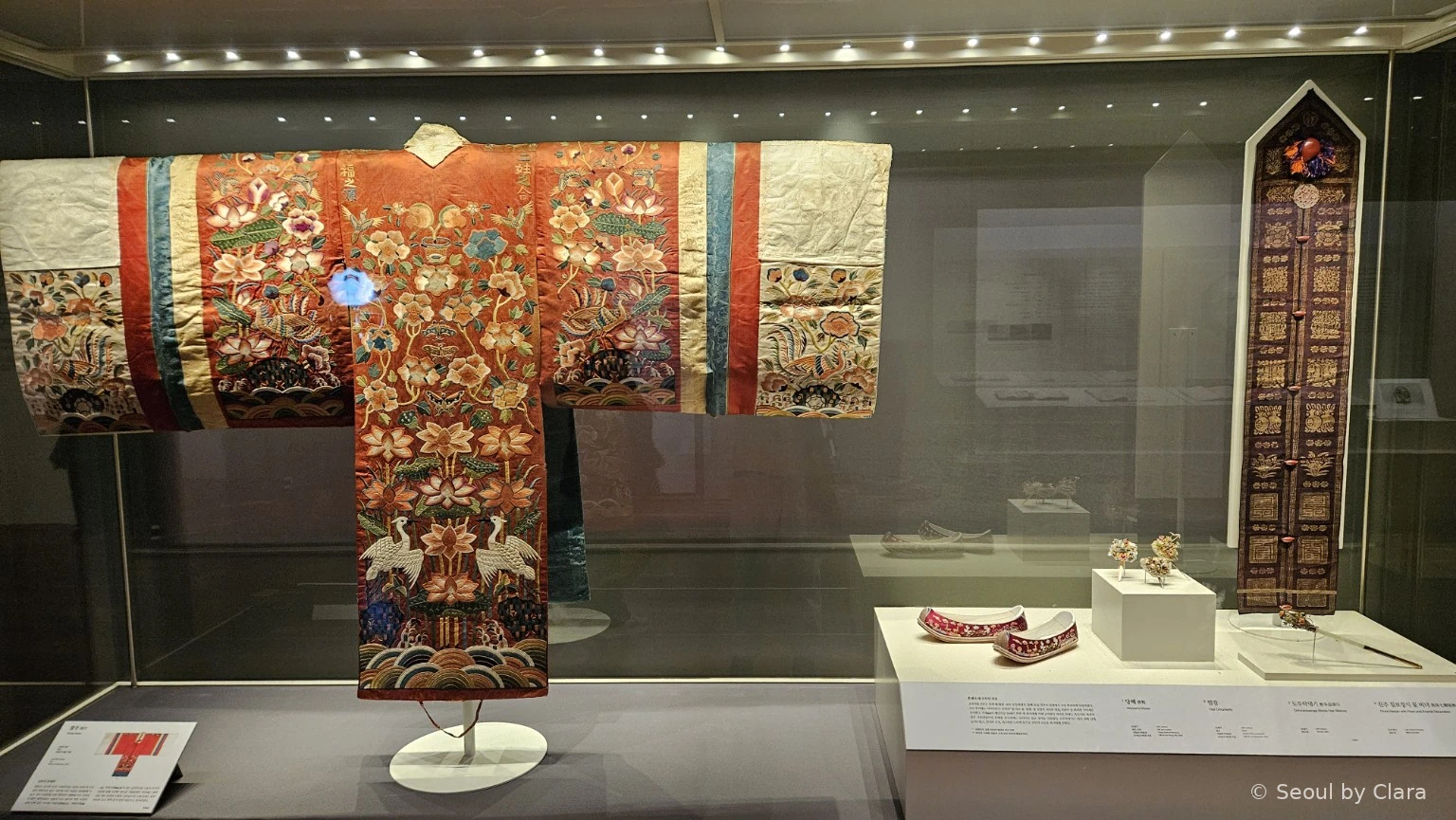
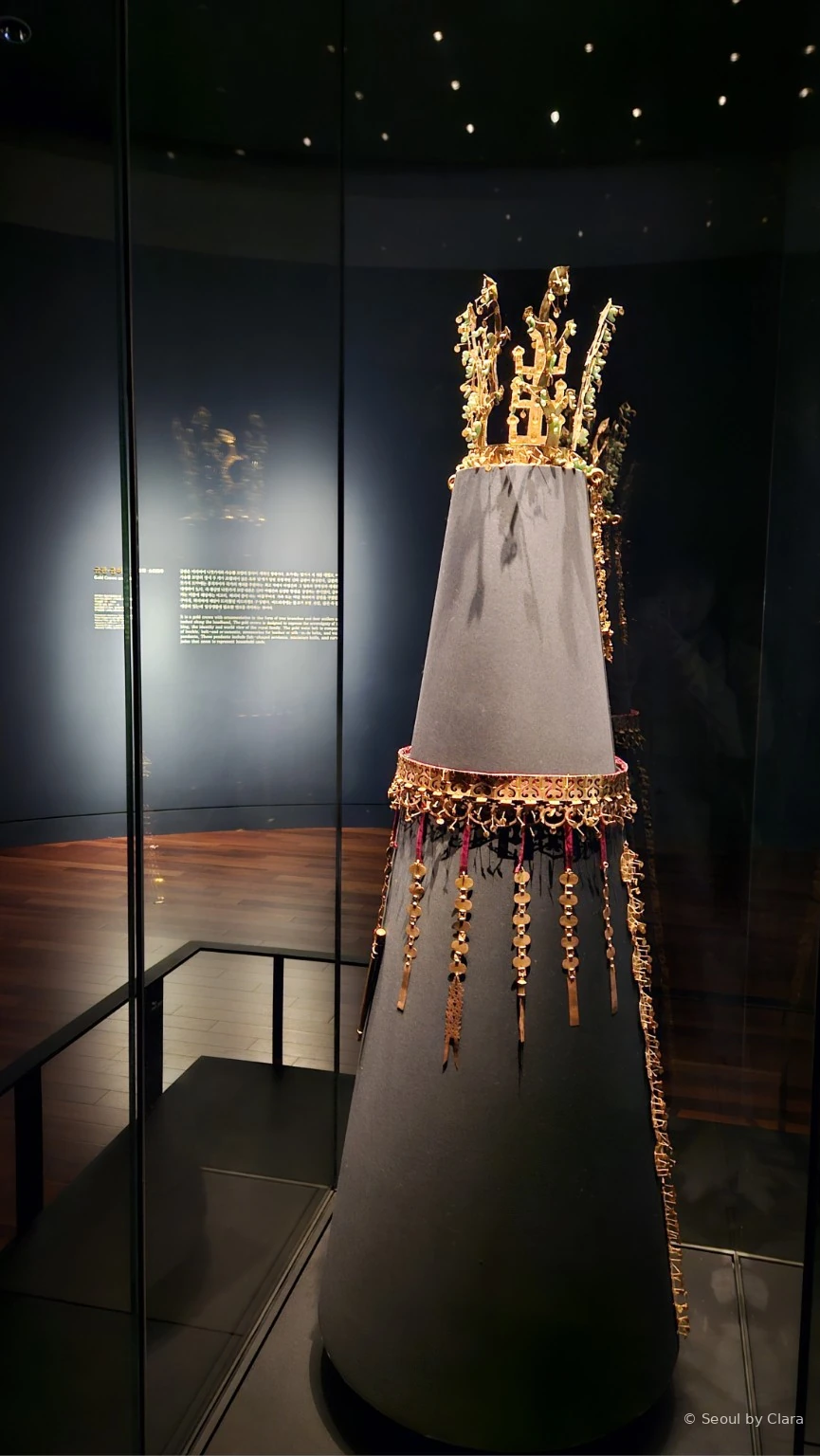
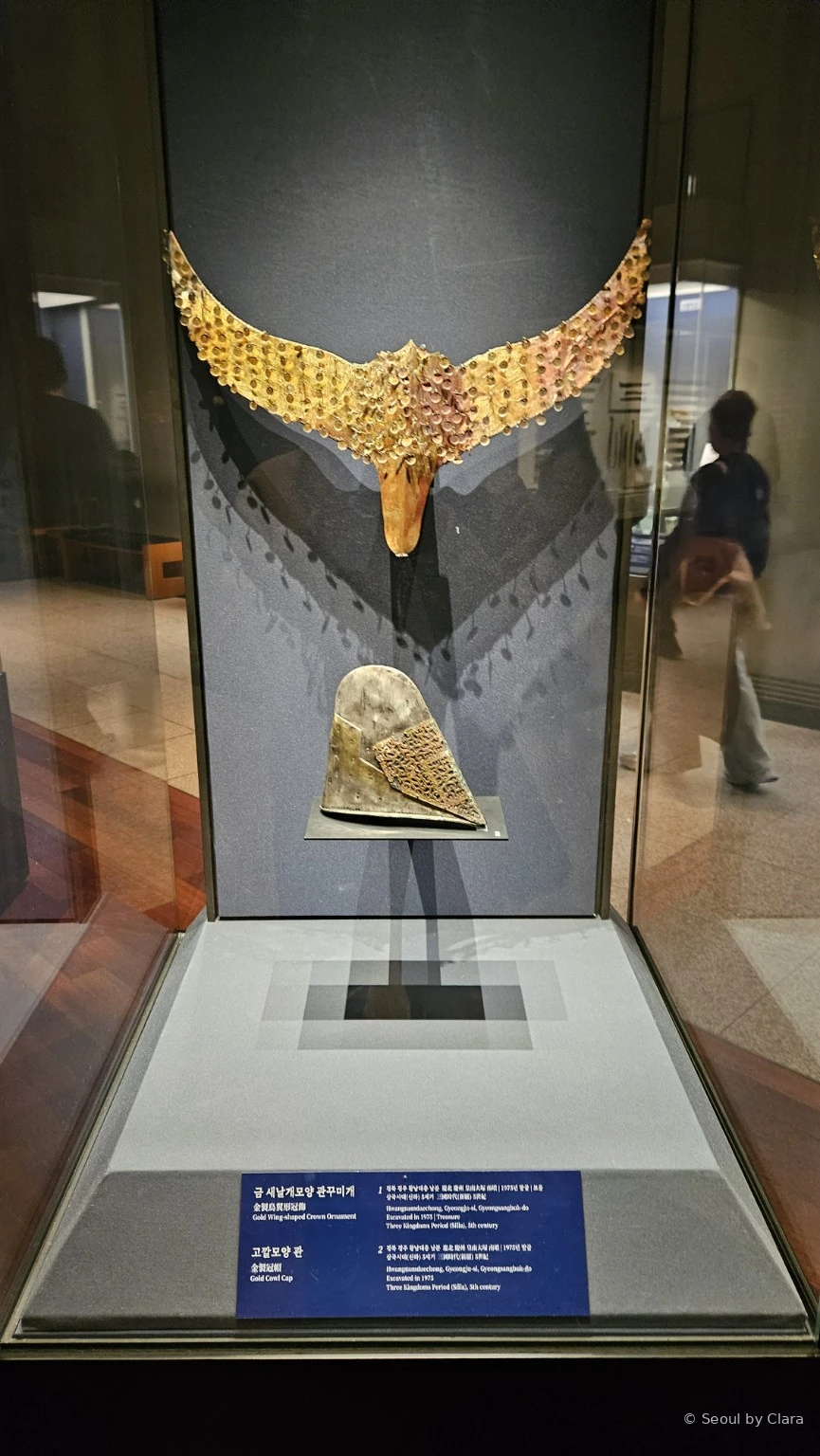
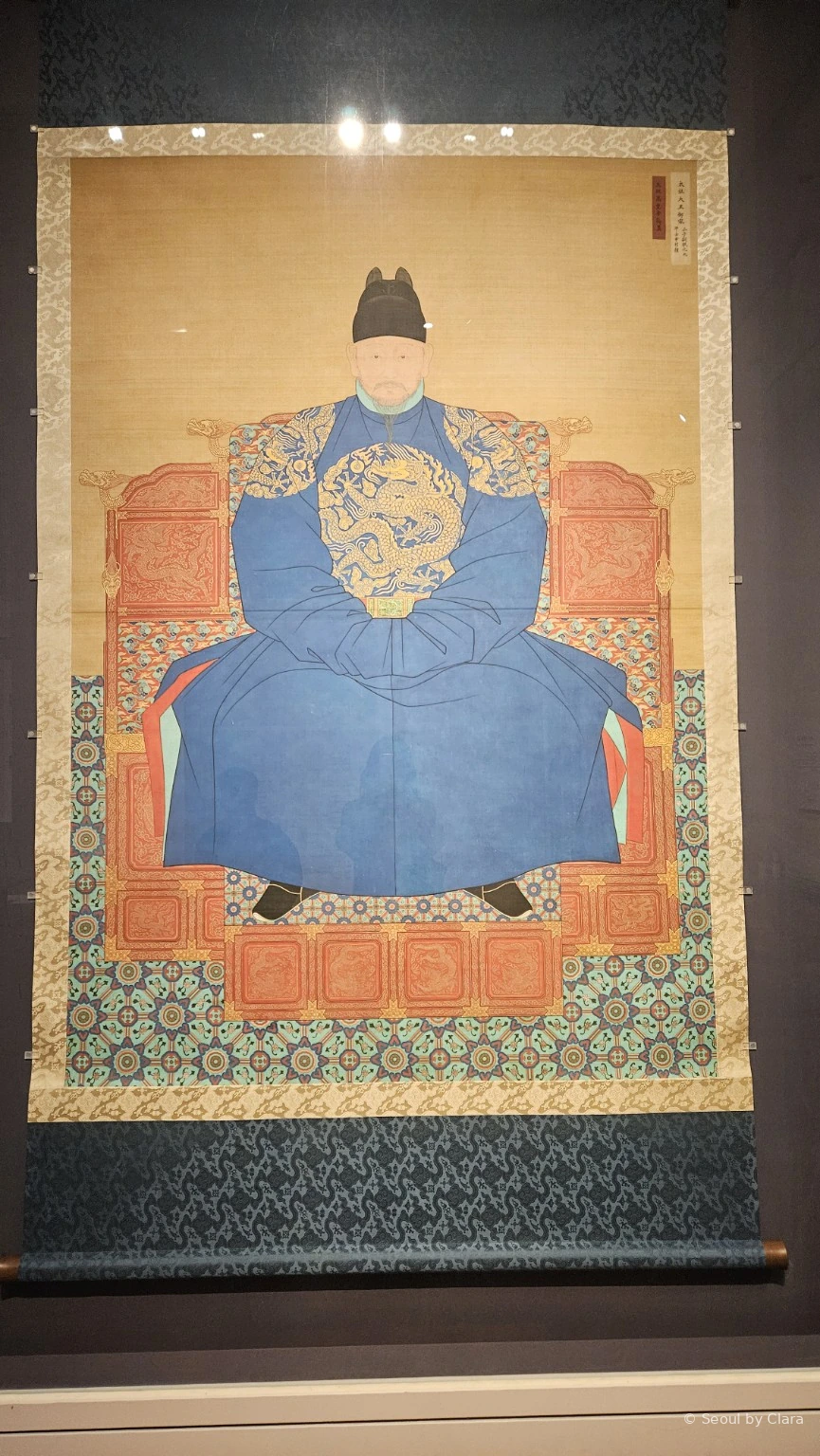
On the first floor, you can explore Korean history from prehistoric times through the Joseon Dynasty and the Korean Empire. What impressed me most wasn't just the incredible artifacts, but how thoughtfully everything was arranged.
The exhibitions follow the flow of history so naturally, with important objects beautifully highlighted and explanations that help you understand what you're looking at. I felt like I was actually walking through different periods of Korean history.
And I have to say, I found that surprisingly moving. There's something special about seeing thousands of years of history unfold in front of you, one exhibition after another.
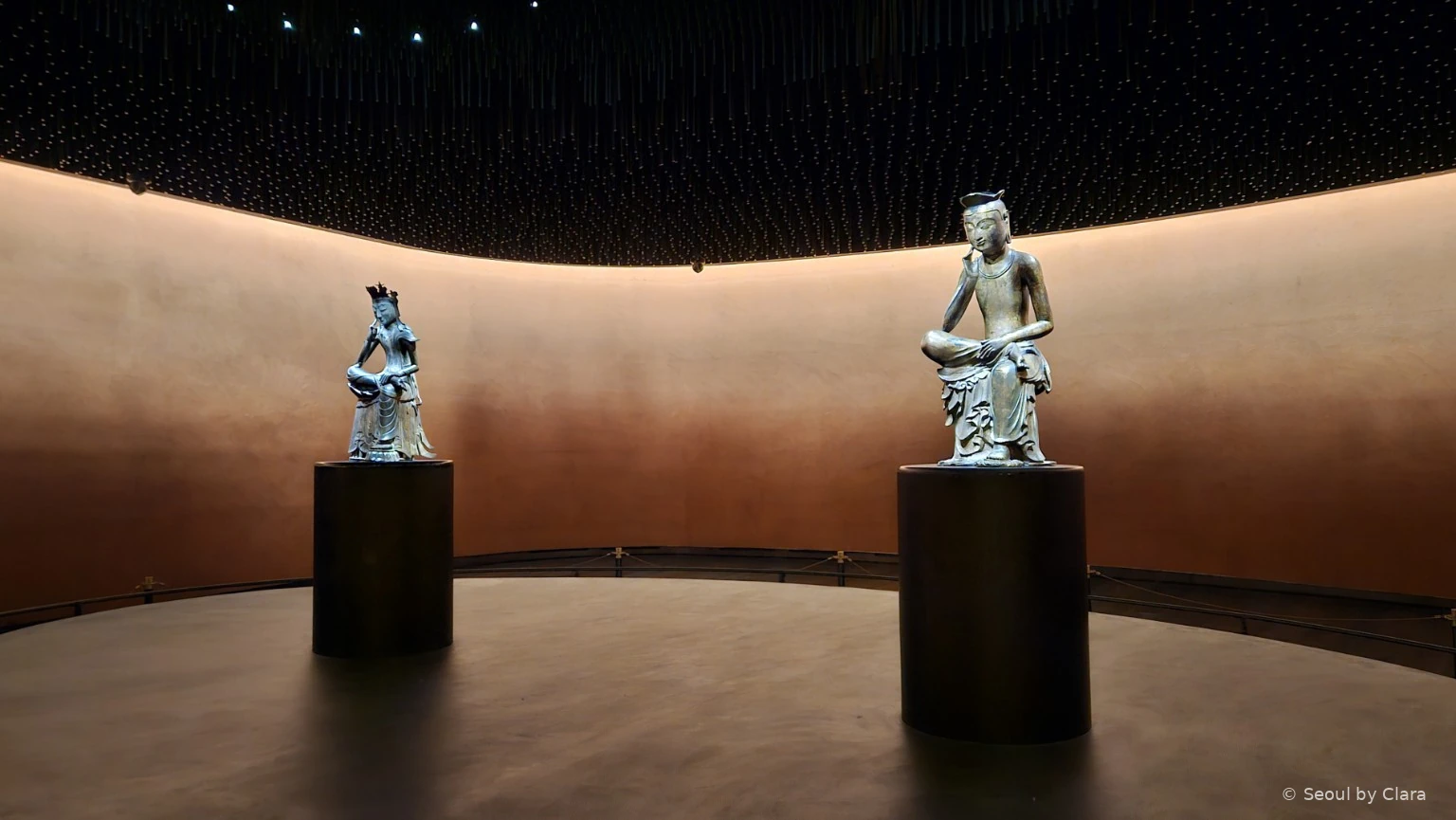
On the second floor, there's a space I really want you to see: the Room of Quiet Contemplation.
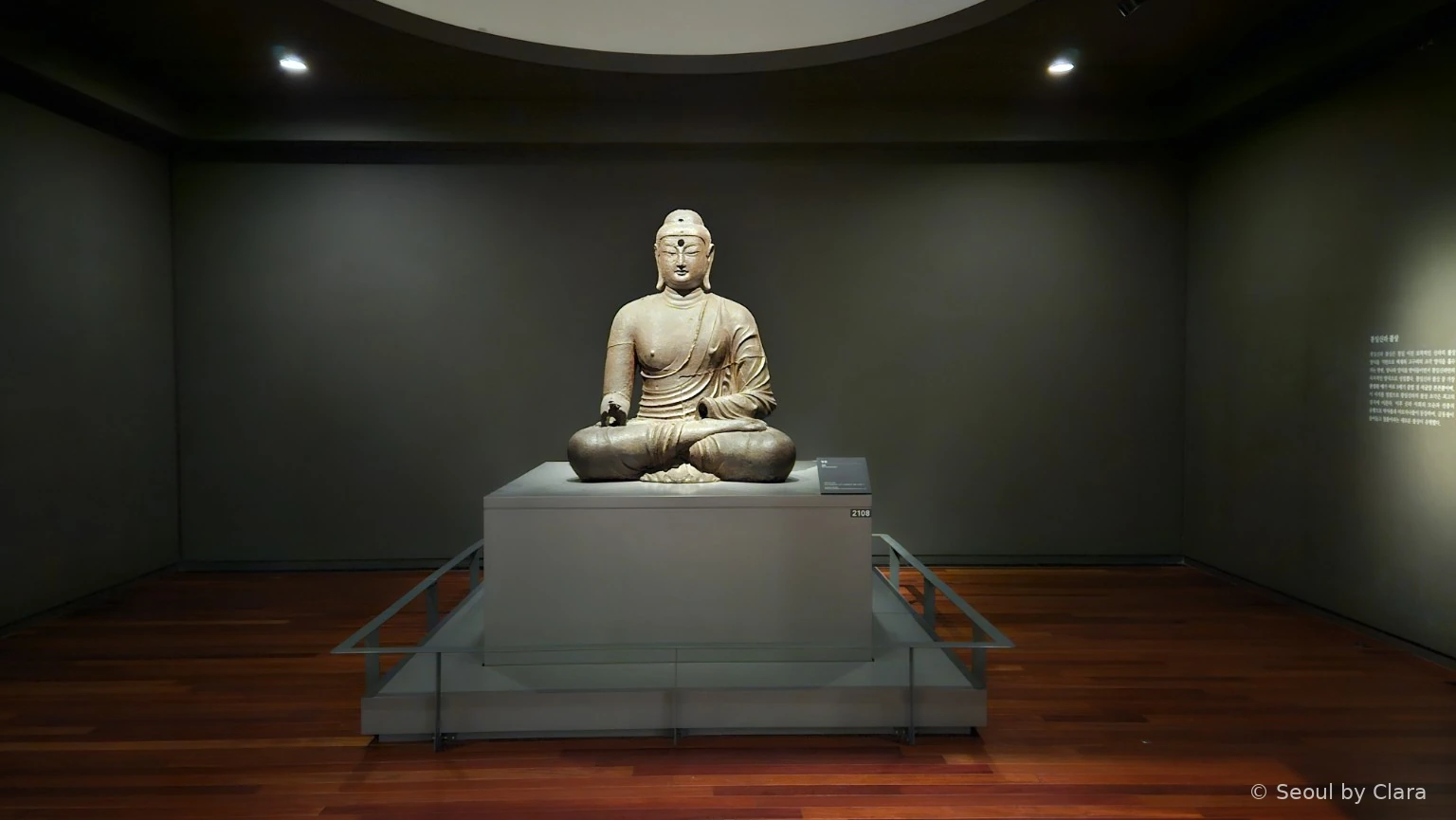
This room displays just two gilt-bronze Pensive Bodhisattva statues, with very little else to distract you. No overwhelming displays or long explanations competing for your attention. Just two extraordinary sculptures in a large, peaceful space.
I thought the simplicity of the room made the experience even more powerful. It gives you a chance to slow down and really appreciate the sculptures themselves.
There's also a Donation Gallery on the second floor, and this was another part of the museum that left a strong impression on me.
The gallery displays artifacts donated by private collectors and individuals. Some people spent years, even their entire lives, collecting and protecting cultural objects. I was especially moved by the stories of those who worked to preserve Korean cultural heritage during difficult periods of history.
There were also donations from Japanese individuals, which I found particularly meaningful given the history between Korea and Japan.
Looking at those beautiful and historically valuable objects, I kept thinking about how difficult it must have been to give them away. And yet, these people chose to donate them so that others could appreciate and learn from them. I felt genuinely grateful.
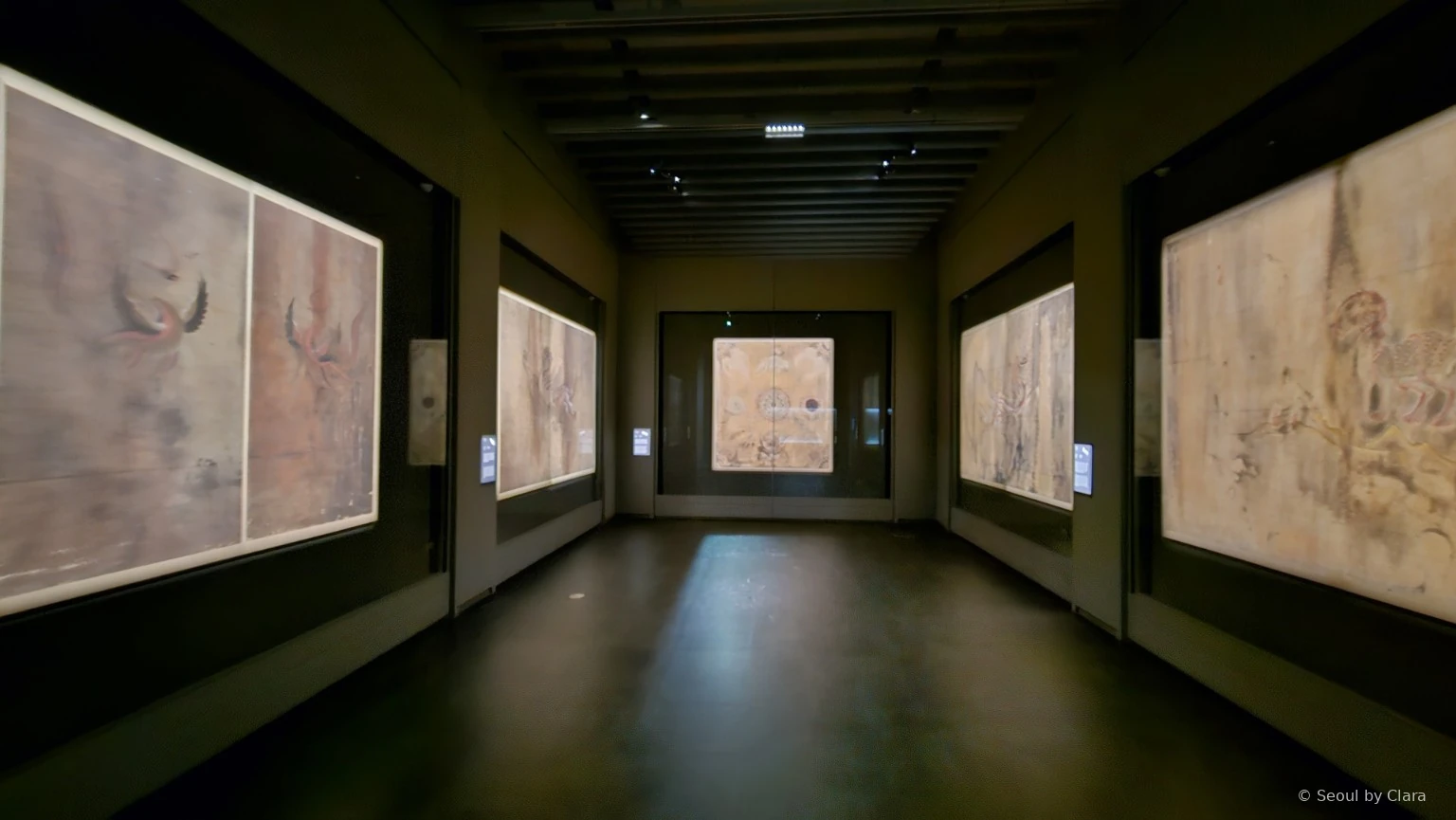
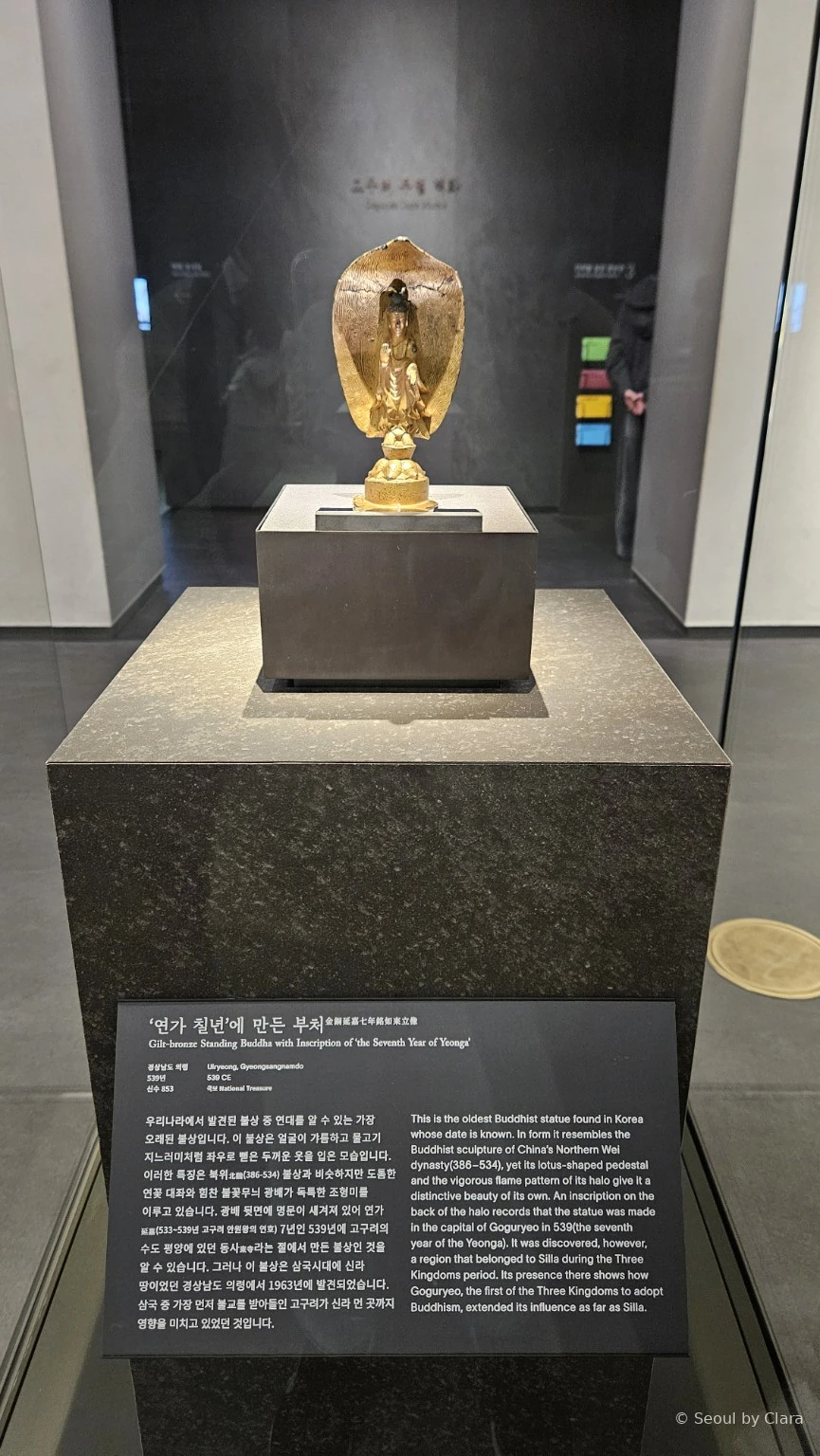
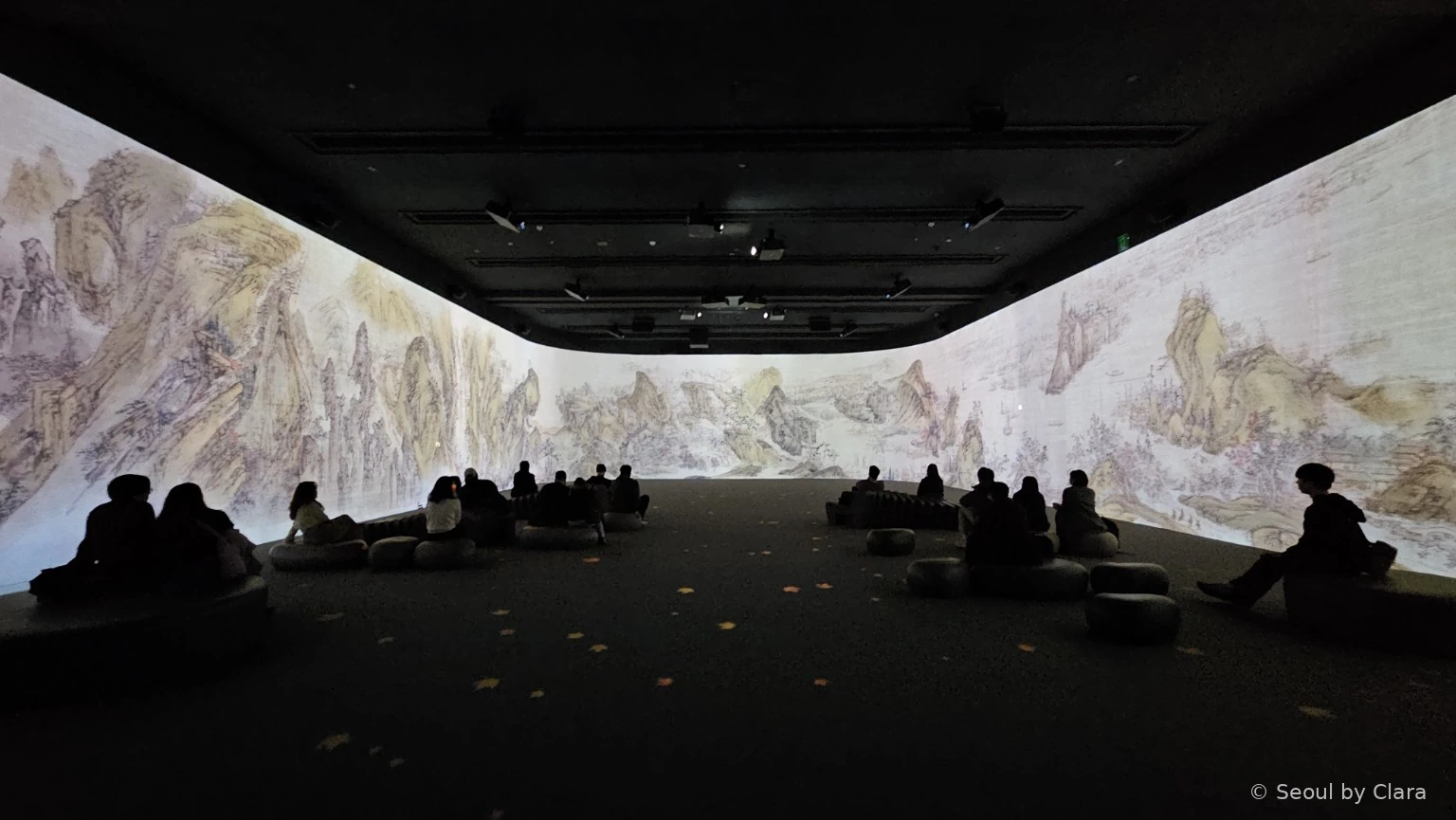
On the third floor, you'll find exhibitions featuring art and cultural objects from different parts of Asia, along with Korean Buddhist art and other collections.
When I visited, some of the Buddhist art exhibition areas were under renovation, so unfortunately I couldn't see everything. But there was still so much to explore.
And that's something you should definitely know before coming here: this museum is huge!
If you really want to take your time and appreciate everything across all three floors, I honestly think you could spend an entire day here. There's that much to see.
But I also think it's absolutely worth the time. The collections are incredible, and the way the museum presents them makes the experience both educational and genuinely enjoyable.
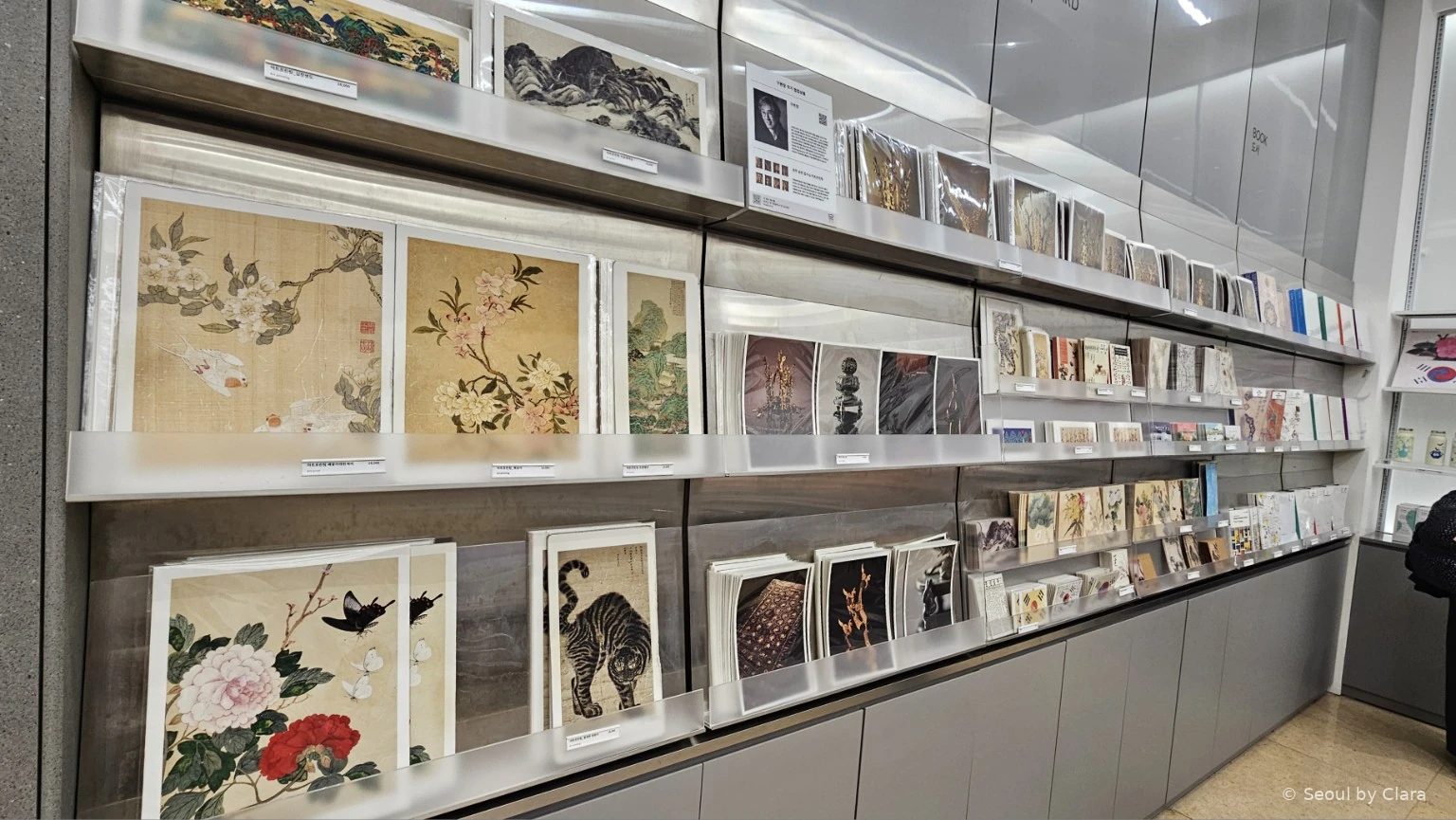
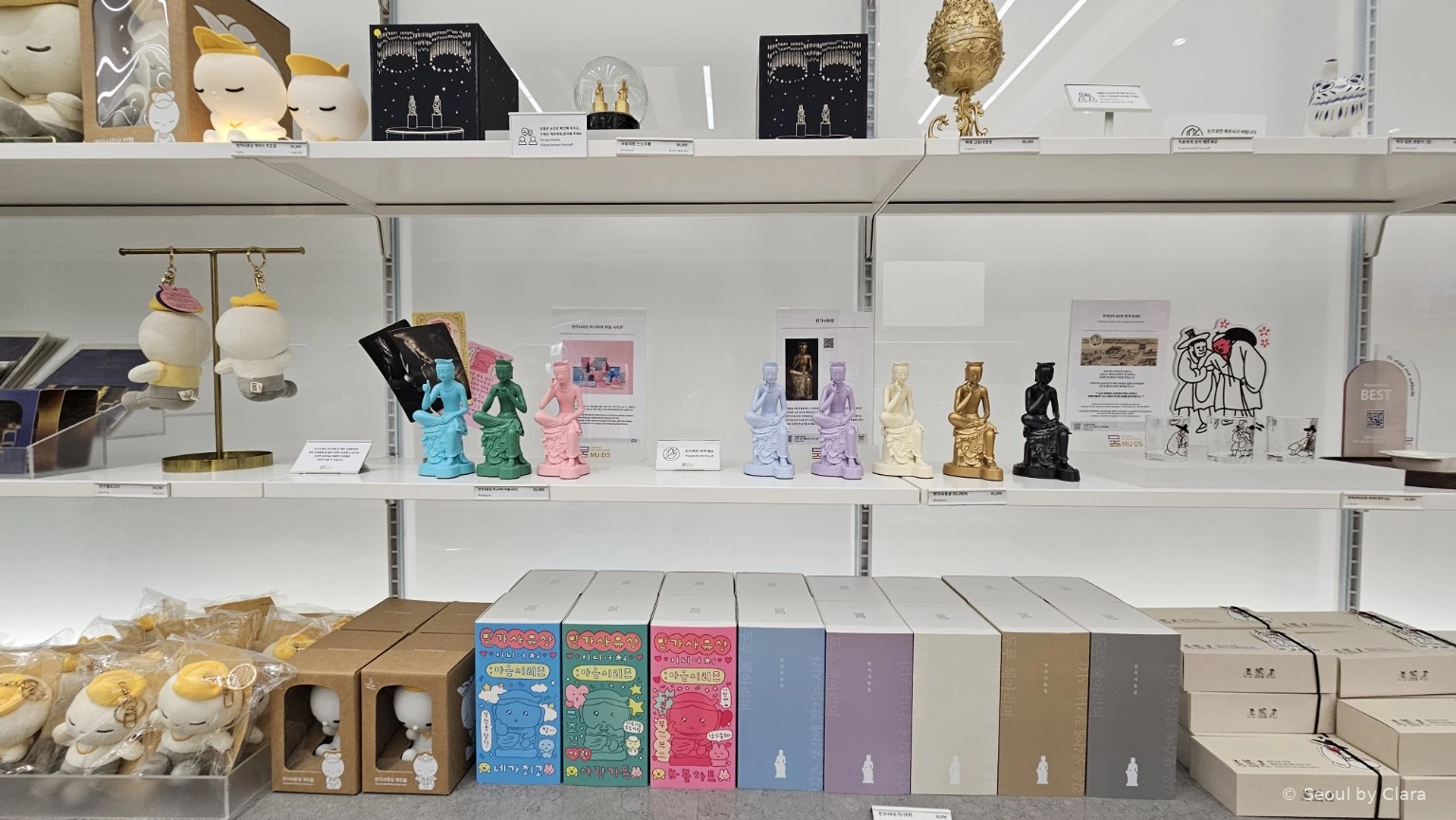
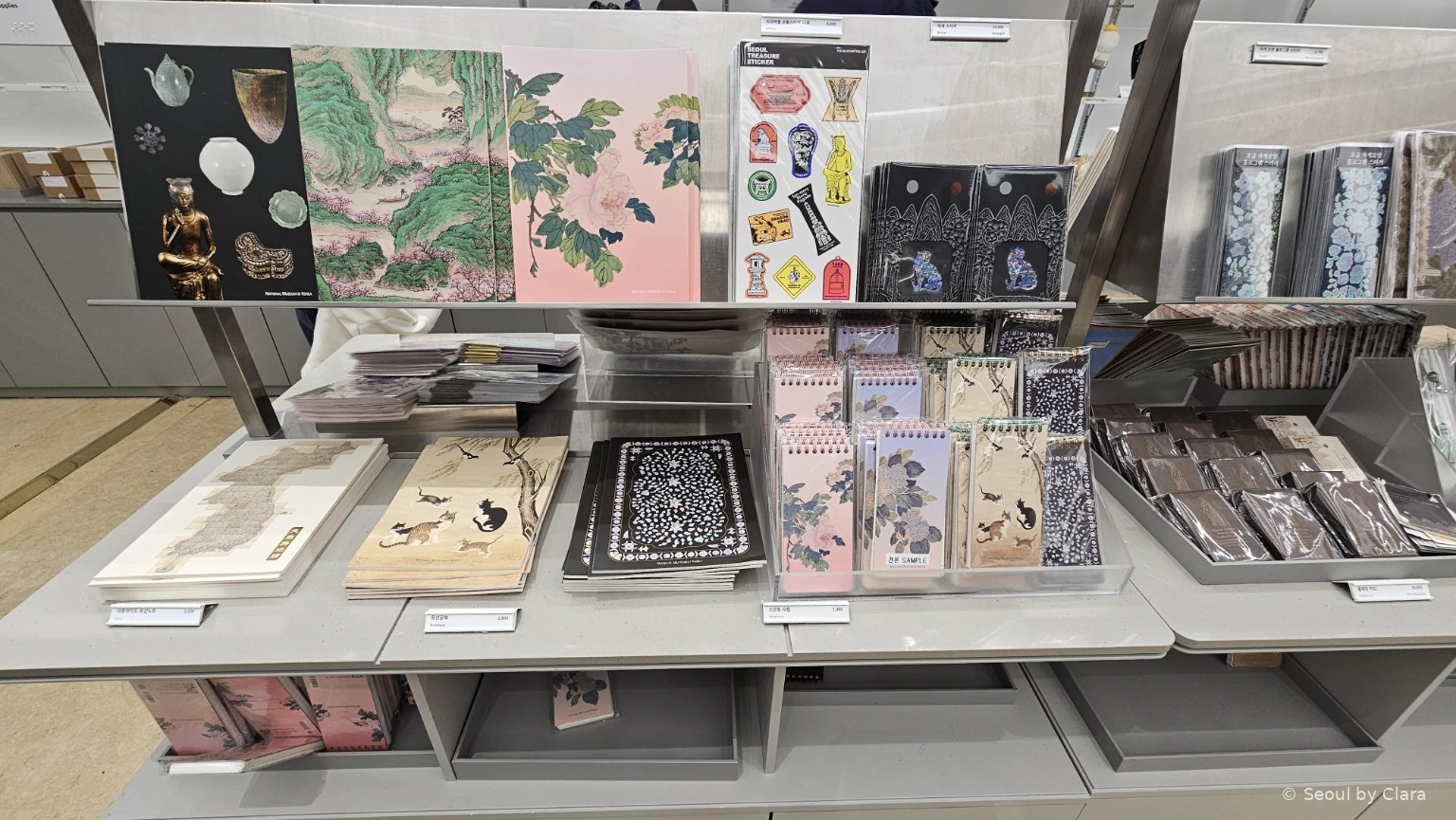
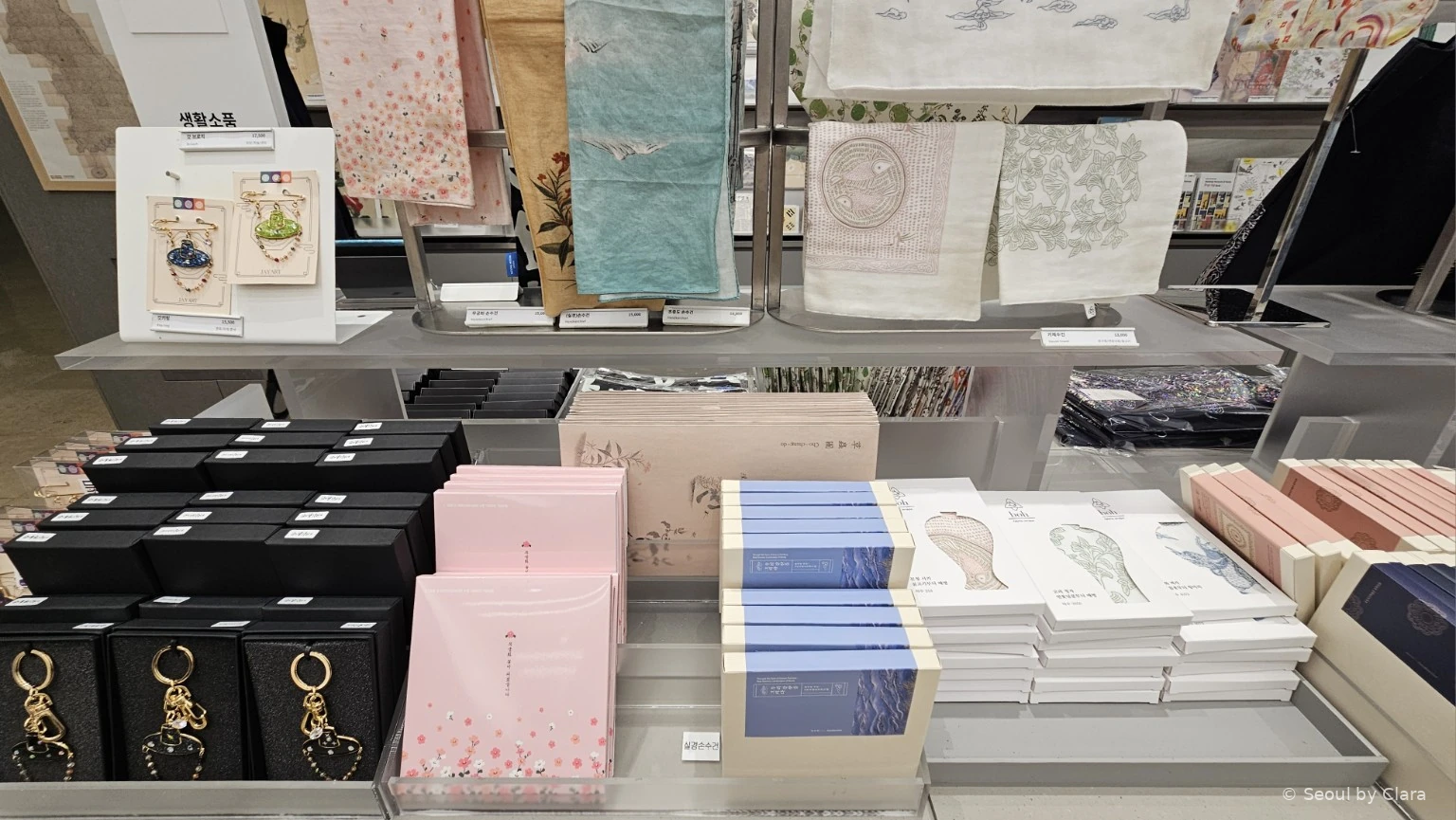
Oh, and don't forget to visit the museum shop!
The National Museum of Korea is also famous for its beautiful merchandise, often called MU. There are all kinds of lovely items inspired by Korean cultural heritage, and I think they're some of the nicest souvenirs you can find in Seoul.
For me, the National Museum of Korea is much more than a place to look at old artifacts. It's somewhere you can really feel the flow of Korean history, appreciate extraordinary craftsmanship, and learn about the people who worked to preserve these cultural treasures.
From the beautiful building and Mirror Pond outside to the carefully arranged exhibitions inside, I was impressed by so many parts of this museum.
If you're interested in Korean history and culture, I really, really recommend visiting. Just make sure you give yourself enough time, because there's a lot more to see than you might expect!
Nearby
- Tonkatsu and katsudon at an upstairs restaurant in Ichon.Photo coming soon
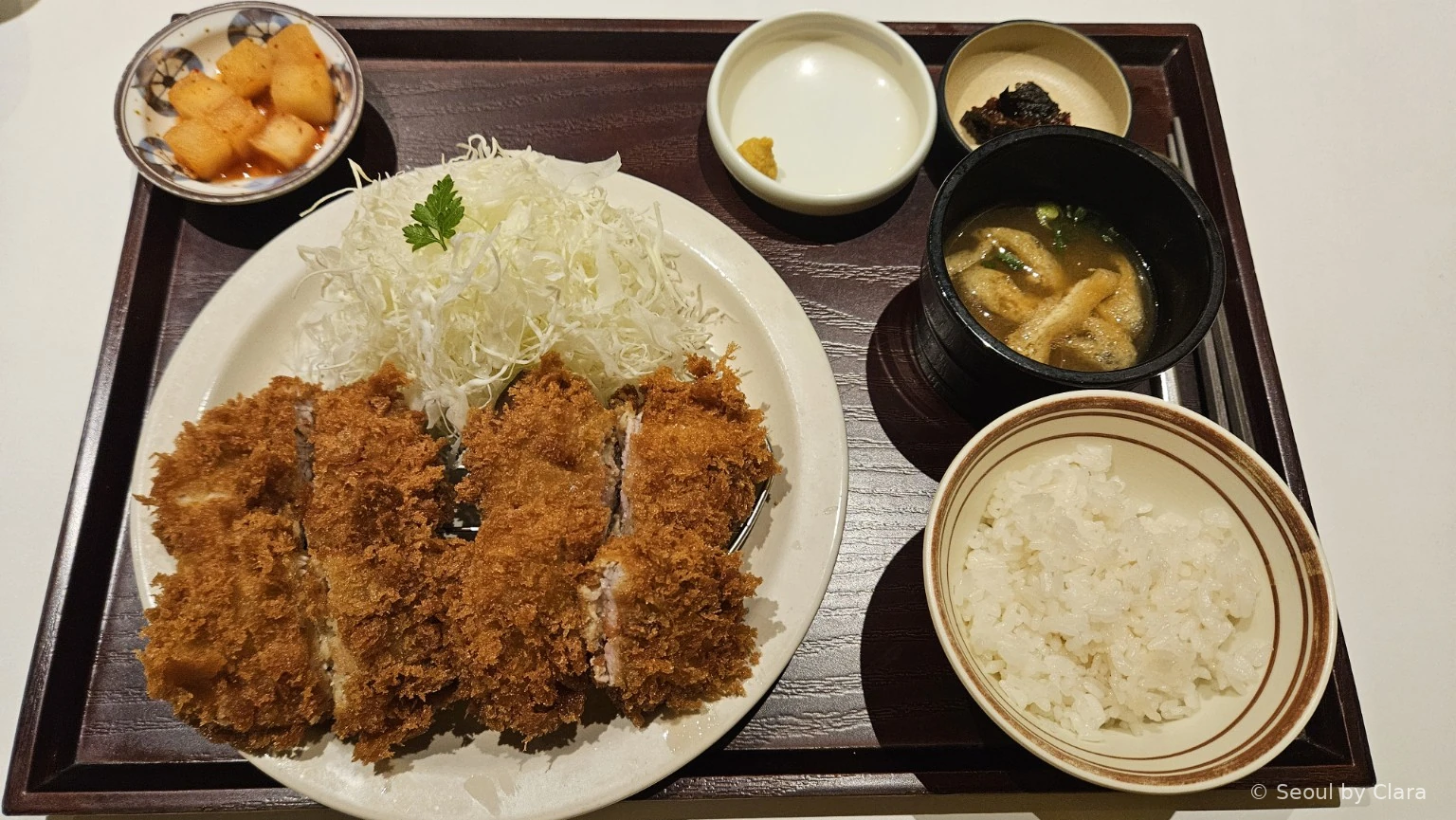
Momoya Ichon Main Branch
- Former military-base buildings, red roofs, and broad lawns give this public garden an unusually open feel among Yongsan’s densely built streets.Photo coming soon
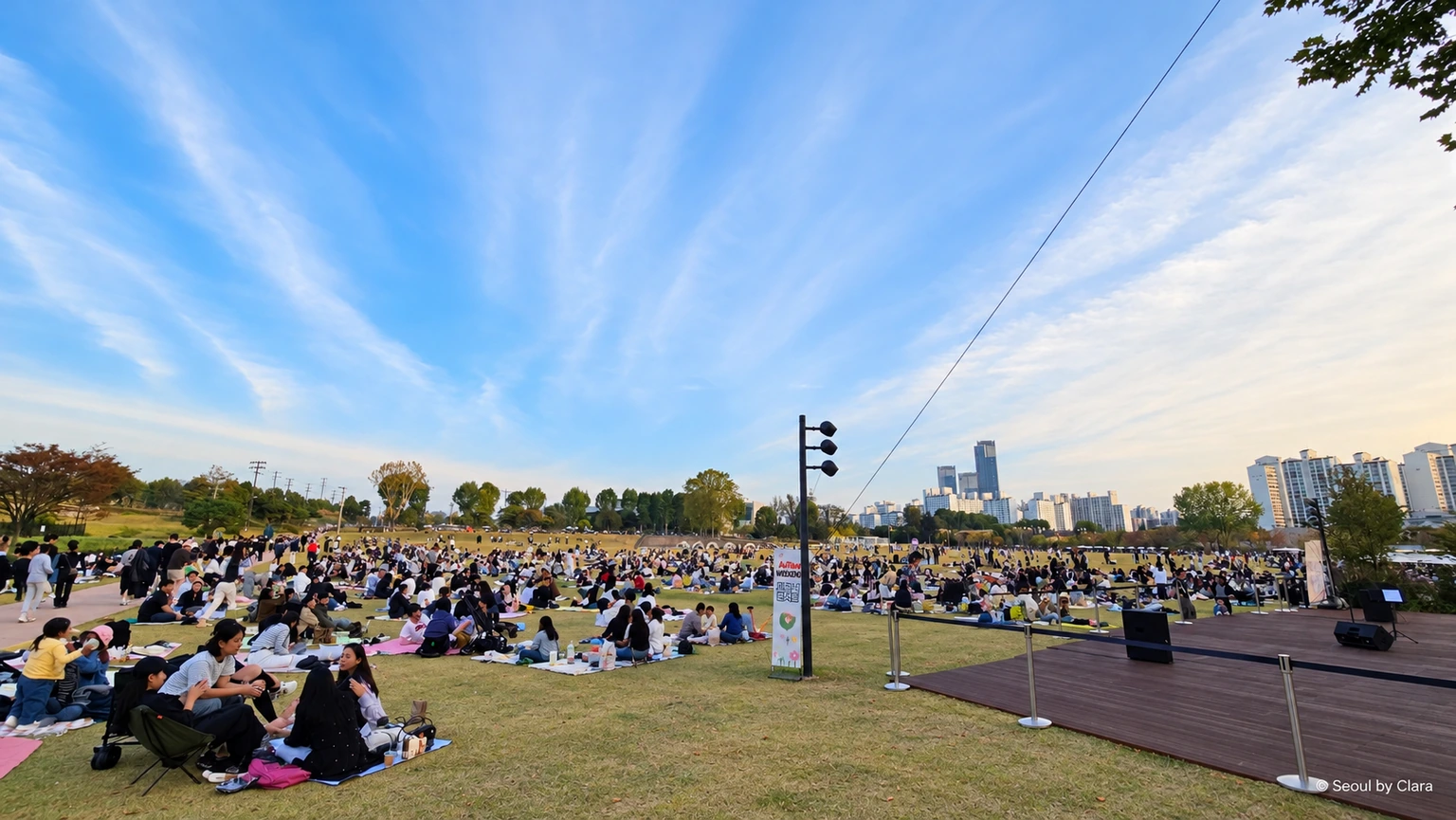
Yongsan Children's Garden
- Thick slices of beef and fresh minari fill warming soup bowls, served with rice and Korean side dishes in a casual dining room.Photo coming soon
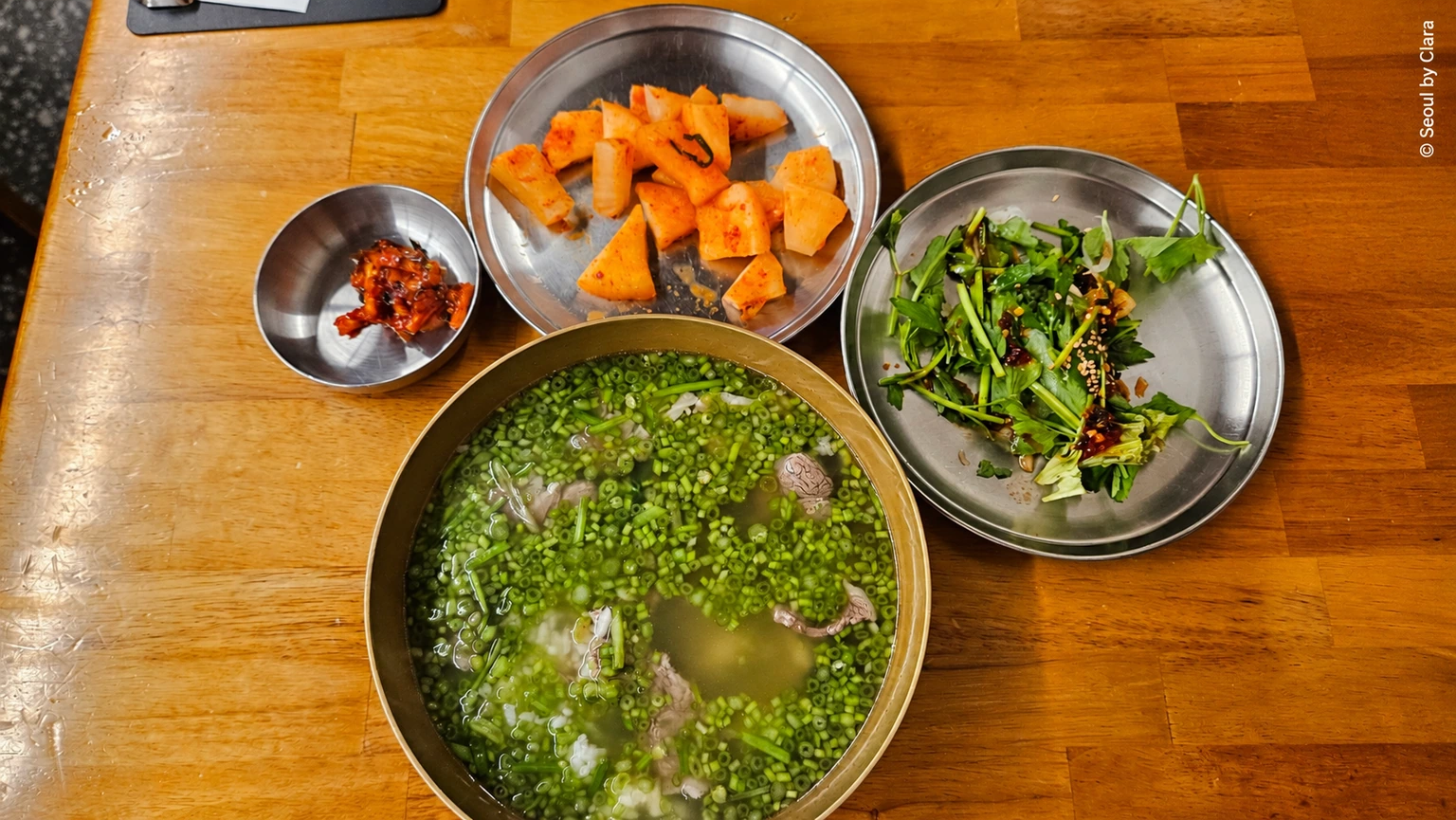
Neungdong Minari Sinyongsan